
Stucco Repair in Lakeland, FL
Lakeland's Wet Season Is Hard on Stucco — Here's How We Fix It

Hear from Our Customers
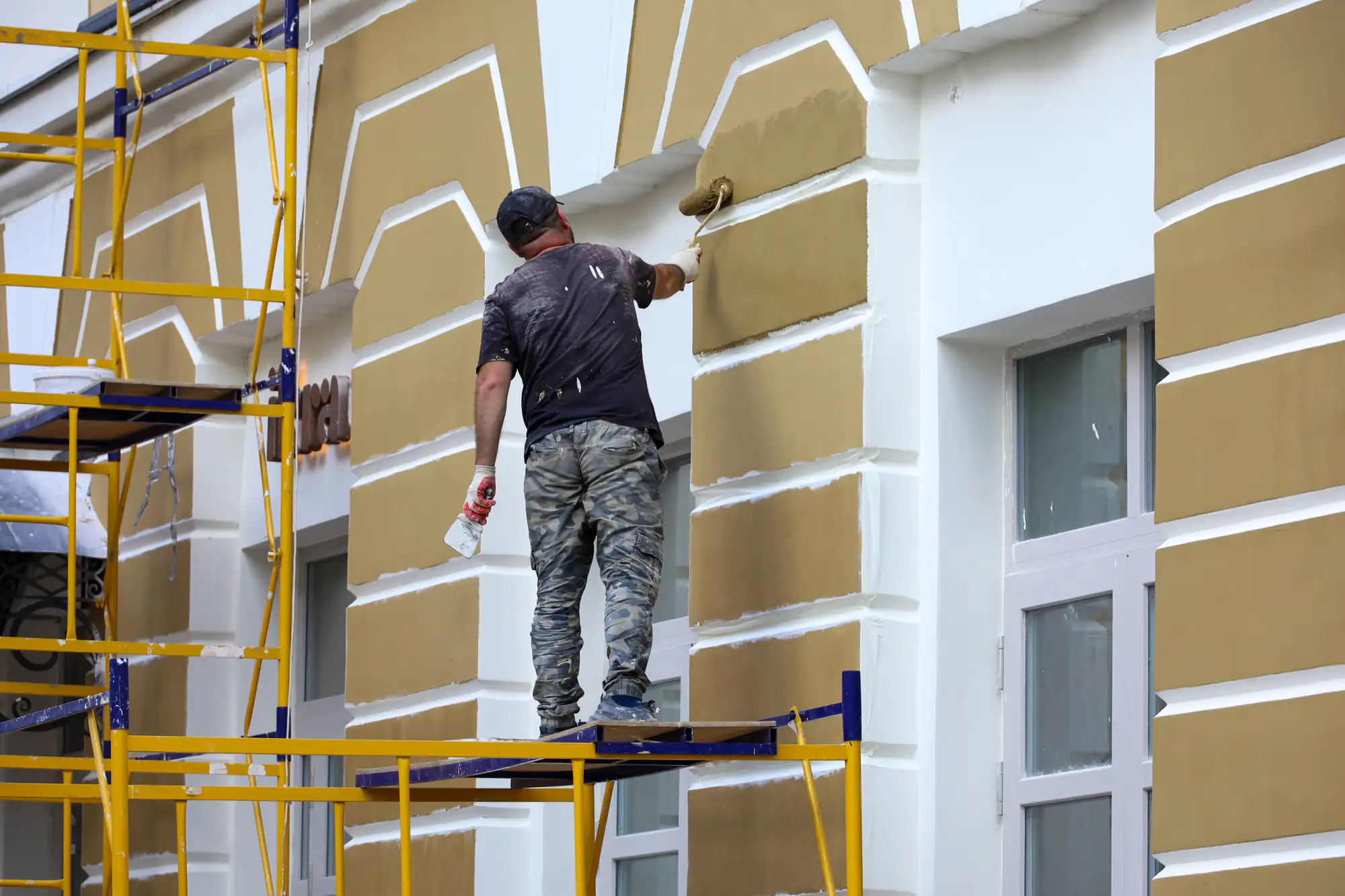
Stucco Crack Repair Lakeland FL
A stucco crack in Lakeland isn’t just a cosmetic problem — it’s an open door for water. During the June through September wet season, when Lakeland gets hit with heavy, sustained rainfall week after week, even a hairline crack can pull moisture behind your walls faster than most homeowners realize. What starts as a $400 repair can quietly become a $10,000 moisture remediation job by the following summer.
Lakeland’s soil makes this worse. The clay-heavy ground under much of the city expands when it’s wet and contracts when it dries out. That seasonal movement stresses your home’s framing and stucco finish year after year, producing the diagonal cracks and corner separations that show up on so many homes here — especially in older neighborhoods like Dixieland, Beacon Hill, and South Lake Morton. These aren’t random. They’re a pattern, and understanding why they happen is the first step to fixing them in a way that actually holds.
When we repair stucco correctly — proper moisture assessment, the right materials for Florida’s humidity, and a finish that matches your existing texture — you get your exterior back without a visible patch, without a mold problem developing behind the wall, and without the anxiety of watching a crack slowly get worse every rainy season.
Stucco Contractor Serving Polk County
We serve the full Central Florida region, and Lakeland is squarely in our service area — from the historic lakefront neighborhoods around Lake Hollingsworth to the newer subdivisions spreading through South Lakeland. Our team includes Barry, who handles estimates and project leads, and Hayley, who coordinates scheduling and keeps communication moving. Reviewers call them out by name, which tells you something about how we operate.
Most stucco contractors stop at the patch. We handle the repair, the waterproofing, and the exterior painting as a single scope of work. That matters in Polk County, where the combination of heavy seasonal rainfall, aging housing stock, and clay soil movement means a surface-only fix rarely solves the full problem. You get one point of contact, one timeline, and a team that stays accountable through the final walkthrough — not just until the patch dries.
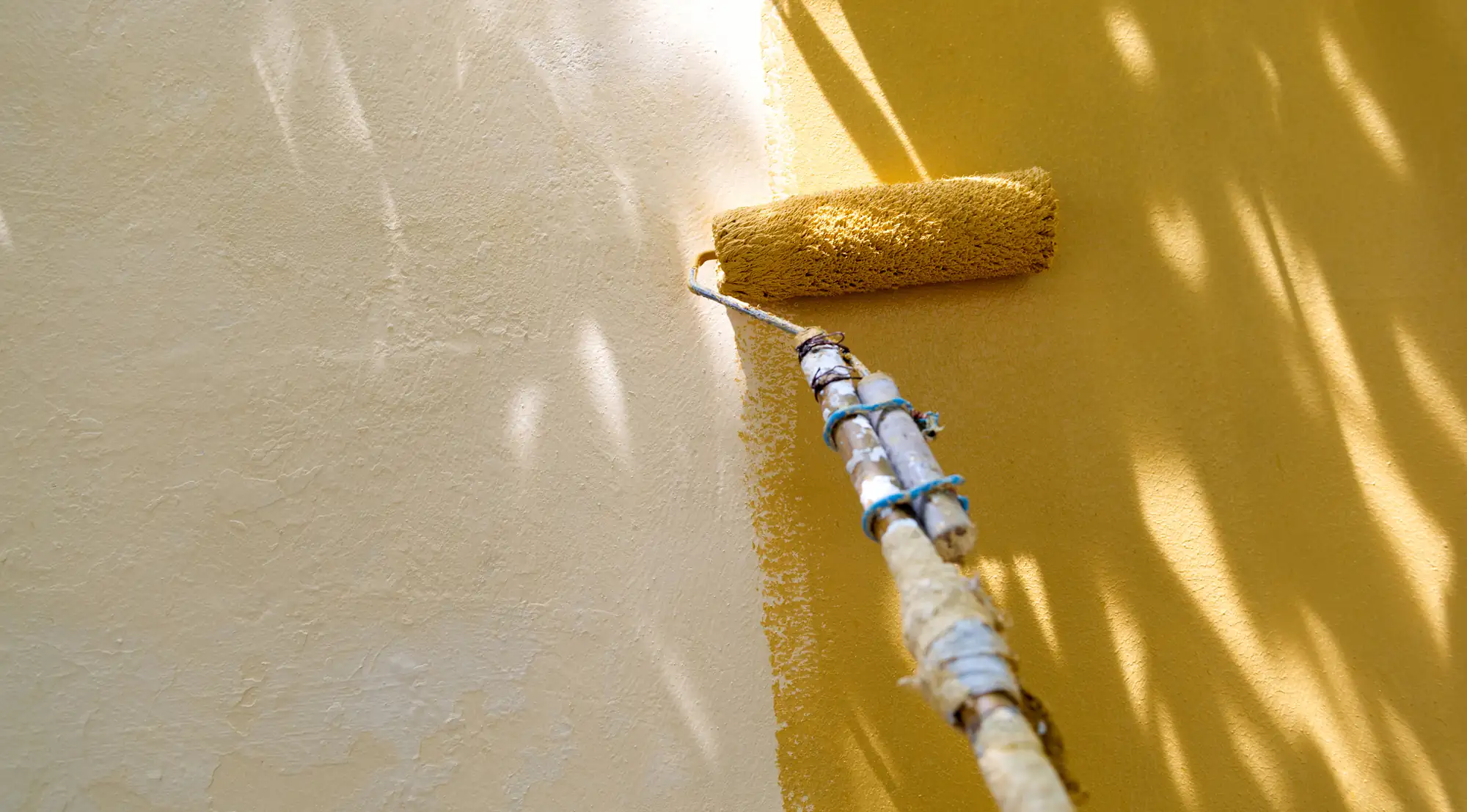
Stucco Repair Process in Lakeland
It starts with a free on-site inspection. Before any work is quoted or scheduled, we come out to look at the actual damage — not just the surface crack, but the surrounding area for signs of moisture intrusion, delamination, or deeper structural movement. In Lakeland, where soil shifting and wet season saturation can create damage that isn’t visible from the outside, this step isn’t optional. It’s what separates a repair that lasts from one that fails in two rainy seasons.
Once the scope is clear, you get a straightforward estimate that covers what needs to happen and why. If the work requires a permit — which it typically does for repairs exceeding 25 square feet in Lakeland — we handle that through the City of Lakeland’s Building Inspection Division before the crew starts. No shortcuts, no unpermitted work that creates problems when you sell or file an insurance claim.
The repair itself follows a clean sequence: we remove damaged material, assess and dry the substrate, apply the patch in layers appropriate to your stucco system — whether that’s traditional hardcoat or a synthetic EIFS finish — and match the texture to the surrounding wall. If painting is part of the scope, we do it last, once the repair has cured properly. You don’t get handed off to a separate painter. The same team finishes the job.

Ready to get started?
Stucco Patching and Texture Matching Lakeland
We handle the full range of what Lakeland homeowners typically need — stucco crack repair, moisture damage remediation, stucco patching, waterproofing and sealing, texture matching, and exterior painting. Each of those services connects to the next, which is why doing them under one contractor matters. A patch without proper sealing is just a delayed problem in a climate that gets 50-plus inches of rain a year.
For homeowners in Lakeland’s historic districts, texture matching is often the most critical part of the job. Homes in Dixieland, Alta Vista, and Beacon Hill were built in the 1920s through 1960s with original stucco finishes — sand, dash, or smooth coat — that have developed a specific look over decades. A visible patch on a historic home is its own kind of damage. Our repair process includes identifying the original finish type and replicating it closely enough that the work disappears into the wall.
We also serve commercial properties along US 98, SR 60, and throughout the Polk Parkway corridor. Stucco repair on occupied commercial buildings involves different scheduling, larger surface areas, and stricter inspection requirements — all of which we navigate regularly in Polk County. Whether it’s a 1940s bungalow near Lake Mirror or a commercial building off the Polk Parkway, the scope gets handled completely, not partially.

Why does stucco crack so often on homes in Lakeland, FL?
Lakeland has a specific combination of conditions that puts more stress on stucco than most people expect. The city’s soil has a high clay content, which means it expands during the wet season when it absorbs moisture and contracts during the drier months when it dries out. That repeated movement — season after season — works on your home’s foundation and framing, and the stucco finish reflects that stress in the form of diagonal cracks, corner separations, and stair-step fractures along mortar lines.
On top of the soil movement, Lakeland’s wet season runs roughly June through September and delivers sustained, heavy rainfall. Water finds every opening in a stucco exterior, and once it’s behind the wall, it doesn’t dry out quickly in Florida’s humidity. Older homes in neighborhoods like South Lake Morton or Cleveland Heights — where the original stucco may be 50 to 80 years old — are especially vulnerable because the material has already gone through decades of this cycle. The cracks you’re seeing aren’t random. They’re the result of real, localized forces, and repairing them correctly means understanding that before picking up a trowel.
How do I know if my stucco damage is just surface-level or something worse?
The honest answer is that you often can’t tell from the outside — and that’s exactly why a proper inspection matters before any repair work starts. Surface cracks that look minor can be entry points for water that’s been sitting behind your stucco for months, quietly wetting the moisture barrier, the sheathing, and in some cases the framing itself. By the time you see brown staining, soft spots, or bubbling on the surface, the damage behind the wall is usually more significant than the exterior suggests.
A few things to look for: staining or discoloration around the crack, any soft or hollow-sounding areas when you tap the surface, efflorescence (the white chalky mineral deposits that appear when water moves through masonry), and any cracks that have changed in width or length over time. In Lakeland’s climate, where the wet season drives moisture into every gap and the humidity keeps it from drying out between rain events, what looks like a cosmetic issue in April can be a moisture remediation problem by October. Getting an inspection done before the wet season — rather than after — is almost always the better financial decision.
Can the stucco repair be matched to my existing texture and color?
Yes, and for most Lakeland homeowners, this is one of the most important parts of the job. A patch that doesn’t match the surrounding wall is its own problem — especially on older homes in historic neighborhoods where the original finish has a specific character that’s developed over decades. The goal is a repair that’s genuinely invisible, not one that’s close enough to ignore.
Texture matching starts with identifying what system is on your home and what finish type was applied — whether that’s a sand finish, a dash finish, a smooth coat, or something else. Once that’s established, we mix and apply the patch material in a way that replicates the original texture as closely as possible. Color matching follows the same logic: the repaired area needs to be painted to blend with the existing wall, not just sealed and left as a visible gray patch. For homes in areas like Dixieland or Alta Vista, where the original stucco finish is part of what makes the home architecturally interesting, this level of attention to the cosmetic result isn’t optional — it’s the whole point of doing the repair properly.
Does stucco repair in Lakeland require a permit, and how does that work?
In most cases, yes — if the repair exceeds 25 square feet on a residential structure, a building permit is required. The City of Lakeland has its own Building Inspection Division that manages permitting for properties within city limits, separate from Polk County’s Building Division, which covers unincorporated areas. If your property is inside Lakeland’s city limits, the permit goes through the city. If you’re in an unincorporated part of Polk County — even if you have a Lakeland mailing address — it goes through the county.
This matters more than most homeowners realize. Unpermitted stucco work can create real complications when you go to sell the home or file a claim with your homeowner’s insurance. A buyer’s inspector will flag it, and resolving unpermitted work after the fact is almost always more expensive and more disruptive than doing it right the first time. We pull the appropriate permit before work begins — and if a contractor suggests skipping it to save time or money, that’s a reason to look elsewhere.
How long does a stucco repair actually last in Florida's climate?
A properly done stucco repair in Lakeland should last 10 to 20 years or longer — but the range is wide because the longevity depends heavily on how the repair was executed, not just what materials were used. A patch that skips proper moisture assessment, uses the wrong mix for the existing system, or skips waterproofing and sealing will fail sooner, sometimes within a few rainy seasons. A repair that addresses the underlying cause of the crack, uses materials appropriate for Florida’s humidity, and includes proper sealing can hold up through years of wet seasons without issue.
The other factor is maintenance. Stucco in Lakeland’s climate benefits from periodic inspection — looking for new hairline cracks before they become water intrusion points, checking the condition of sealants around windows and doors, and repainting when the finish starts showing UV wear. Florida’s UV exposure is intense year-round, and a painted stucco surface that’s been allowed to chalk and fade offers less protection than one that’s maintained. Catching small issues early, before the June wet season starts, is consistently the most cost-effective approach for Lakeland homeowners.
What's the difference between repairing stucco and replacing it entirely?
Repair is the right answer in most situations — full replacement is typically only necessary when the damage is widespread across the entire exterior, when the underlying moisture barrier has failed completely, or when the stucco system itself is so deteriorated that patching would be more work than starting fresh. For the majority of Lakeland homeowners dealing with localized cracking, moisture damage in one area, or a section of delamination, targeted repair is both more cost-effective and less disruptive than tearing off the whole exterior.
The key is an honest assessment upfront. Some contractors push toward full replacement because it’s a larger job — that’s worth being aware of. A contractor who starts with a thorough inspection, explains what they found and why, and gives you a repair option alongside any replacement recommendation is operating transparently. For older homes in Lakeland — particularly those in the historic districts where the original stucco has lasted 60 or 70 years — repair and proper maintenance is almost always the better path. These materials were built to last. They usually just need the right attention, not a full teardown.
Other Services we provide in Lakeland