
Waterproofing in Lakeland, FL
Lakeland's Lakes Are Beautiful. What They Do to Your Walls Isn't.
Hear from Our Customers
Exterior Waterproofing Lakeland FL
When your waterproofing is actually working, you stop finding water stains after summer storms. You stop wondering if that crack in the stucco is something to worry about. You stop calling contractors every couple of years for the same recurring problem — because the root cause got addressed the first time.
Lakeland gets hit with 52 to 54 inches of rain a year, most of it concentrated in intense afternoon storms between May and October. That’s high-volume water driving into every hairline crack, every porous section, every compromised seal on your home’s exterior. Homes near Lake Parker, Lake Hollingsworth, and the city’s other lake-adjacent neighborhoods sit on saturated soil that keeps the moisture pressure constant, not just during storms but in between them.
By 2050, Lakeland is projected to see roughly 77 days a year above 95 degrees — compared to about 7 days back in 1990. That kind of thermal cycling causes stucco to expand and contract, coatings to break down faster, and sealants to lose their elasticity ahead of schedule. A waterproofing system that was solid five years ago may already be approaching the end of its effective window. Getting ahead of that is what separates a manageable maintenance cost from a mold remediation bill.
Stucco Waterproofing Contractor Lakeland FL
We’re a Central Florida stucco and waterproofing contractor serving residential and commercial clients across Lakeland and Polk County. What makes our process different starts before any work is scheduled — with an on-site inspection of your specific property, not a phone estimate based on square footage.
That matters because not every crack means the same thing, and not every water stain calls for the same fix. A home in Dixieland with 60-year-old stucco has different vulnerabilities than a 10-year-old EIFS build in a southwest Lakeland golf community. Both deserve a real assessment — not a generic treatment that may miss what’s actually happening behind the surface.
We handle stucco repair, waterproofing, sealing, and exterior painting under one roof. That means when an inspection uncovers a crack connected to a moisture issue connected to a failing coat, you’re not coordinating three separate contractors. You get one team, one clear proposal, and one conversation about what it’s going to take to actually fix it.
Waterproofing Process Lakeland FL
It starts with the inspection. We walk your property and look at what’s actually happening — where moisture is getting in, which cracks are cosmetic and which ones aren’t, whether your existing stucco system has life left in it or needs repair before any waterproofing makes sense. Nothing gets quoted until that step is done.
From there, you get a written proposal that breaks down what’s needed, what it costs, and why. No vague line items, no add-ons that show up after the job starts. In Lakeland, where the Florida Building Code governs exterior stucco work and structural repairs may require permits through the City of Lakeland’s Building Division, we handle that process — so you’re not left figuring out what’s required on your own.
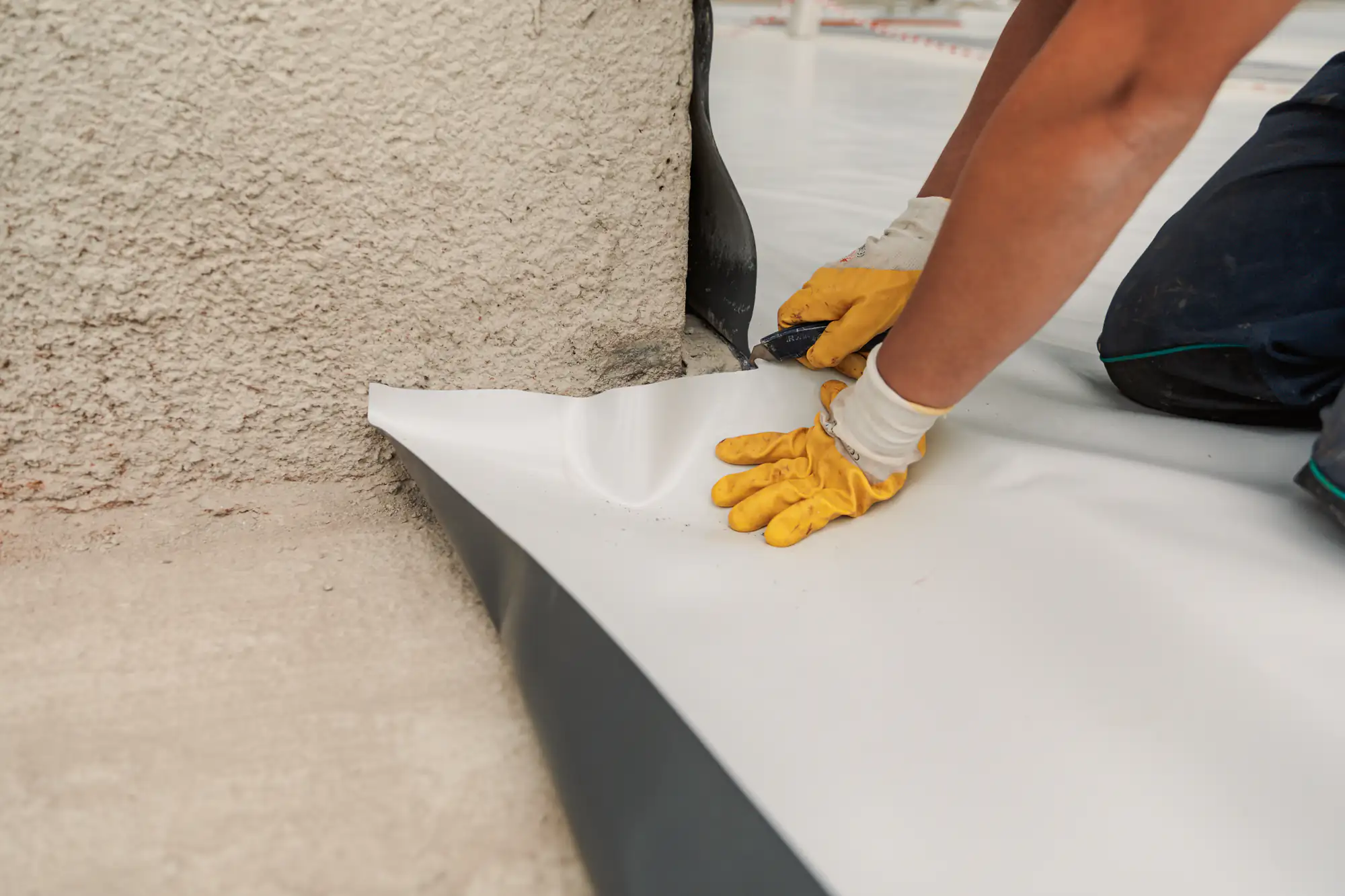
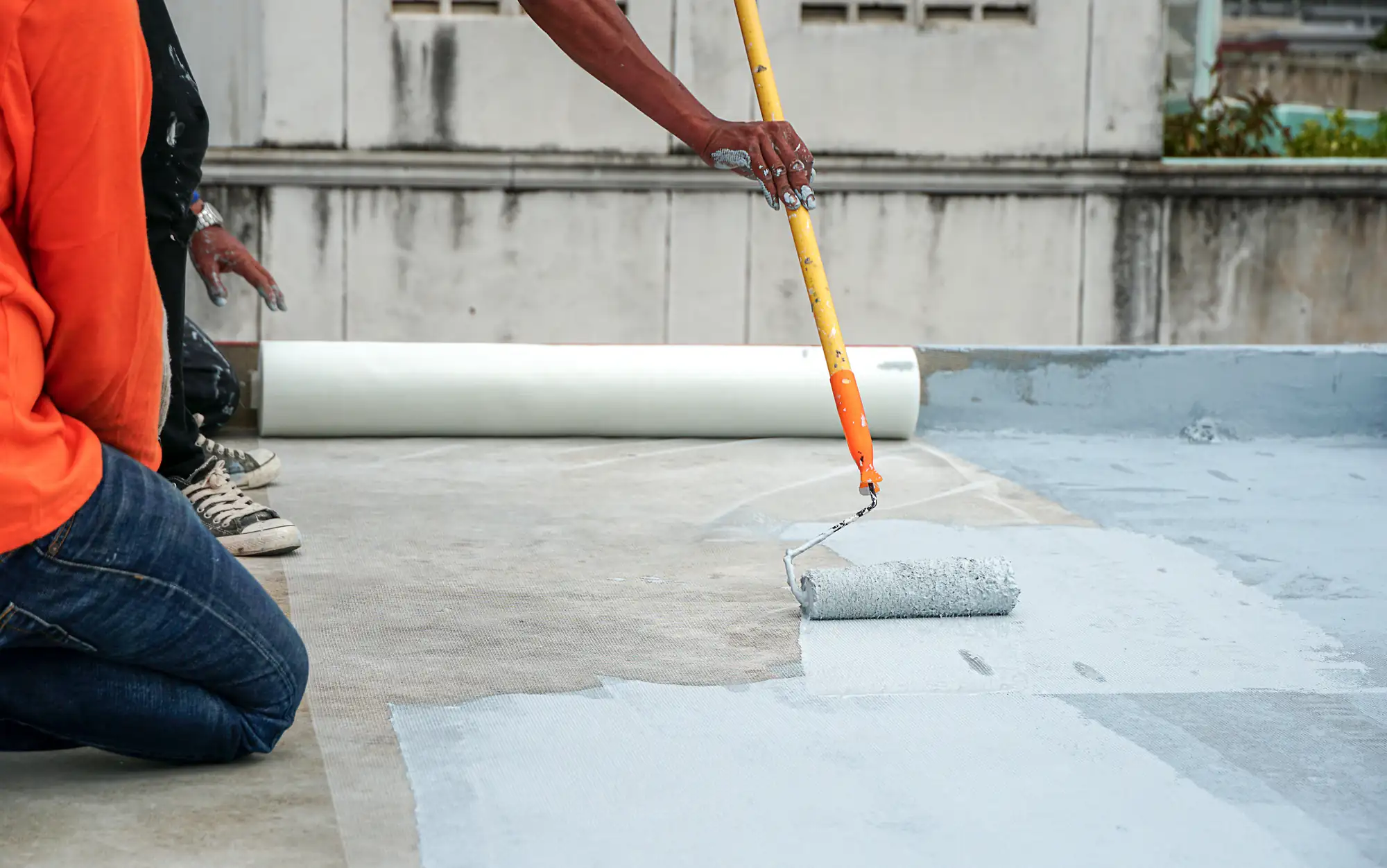
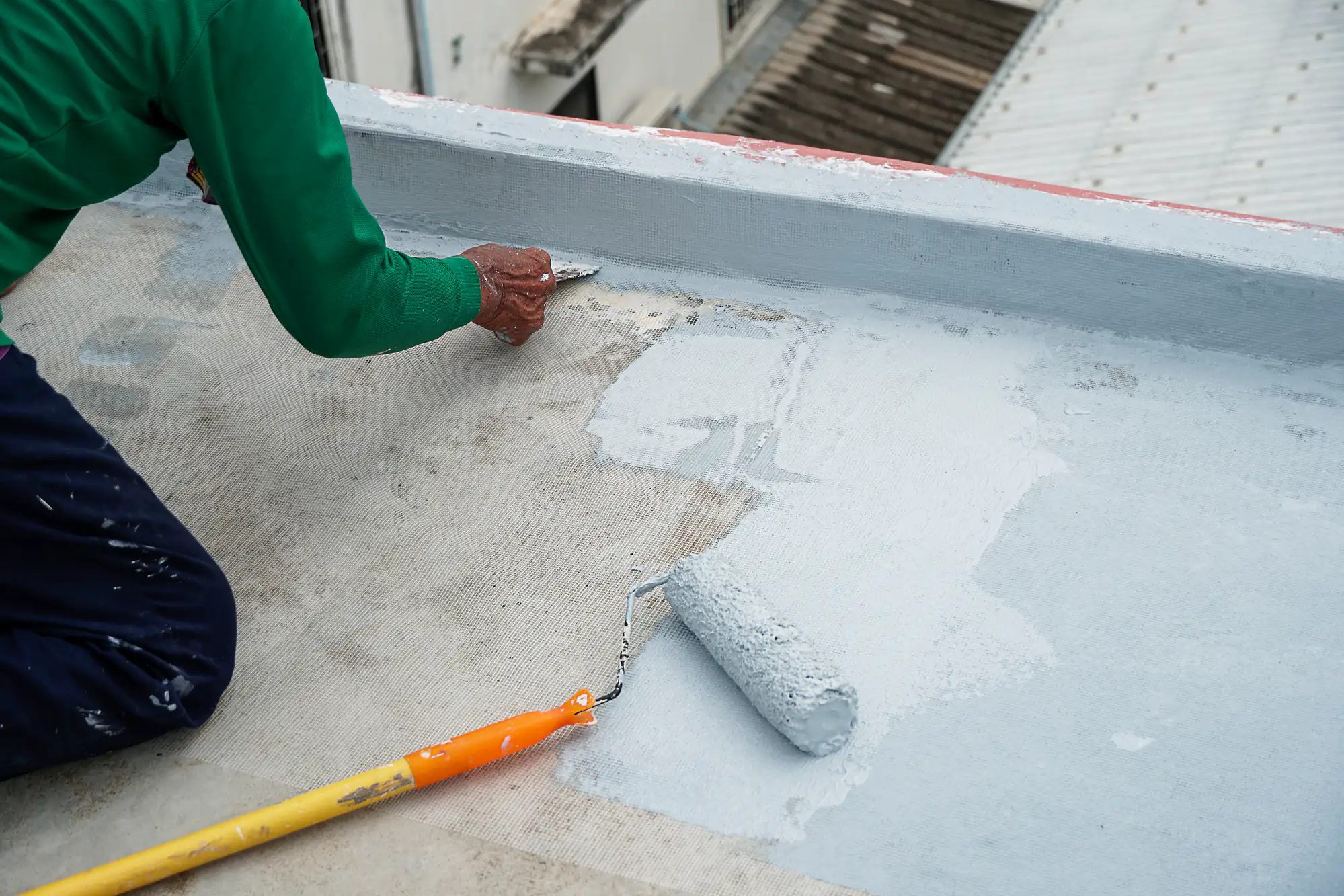
Once work begins, the approach depends on what the inspection found. That might mean repairing damaged stucco before sealing, applying an elastomeric coating rated for Florida’s UV and rainfall load, or addressing specific penetration points where water has been entering. Timing matters here too — coating systems cure better in lower humidity, which makes Lakeland’s dry season months an ideal window for preventive work. But if you’re dealing with active damage after a storm, waiting isn’t the right call either. The inspection tells you where you stand.
Ready to get started?
Moisture Barrier and Leak Prevention Lakeland
Waterproofing isn’t one thing — it’s a set of decisions based on what your home’s exterior actually needs. For most Lakeland homes, that conversation starts with the stucco system itself. If there are cracks, soft spots, or areas where the finish has separated from the substrate, those get addressed before any sealing or coating goes on. Applying a waterproofing layer over compromised stucco doesn’t fix the problem — it hides it temporarily and usually makes the eventual repair more expensive.
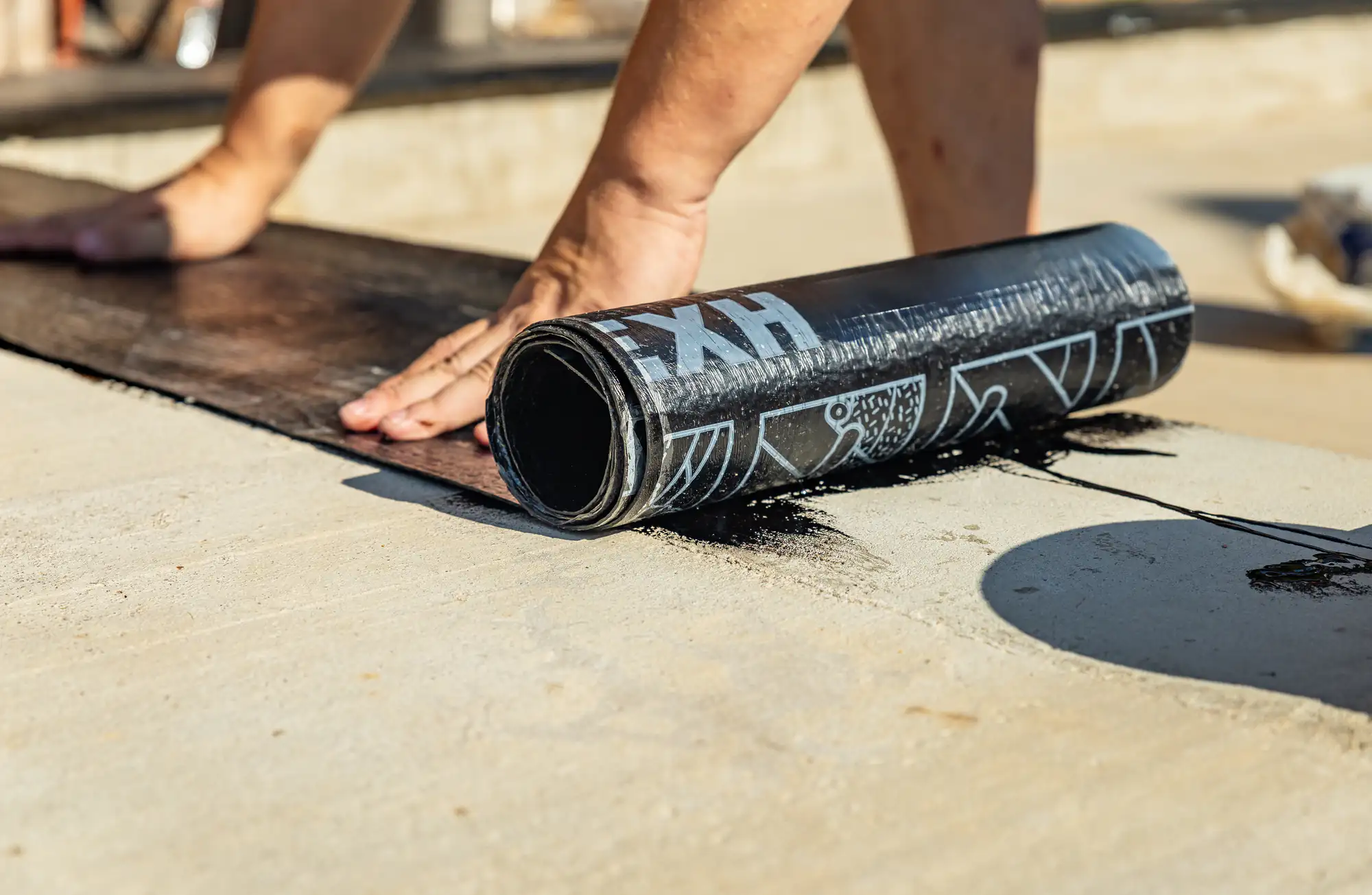
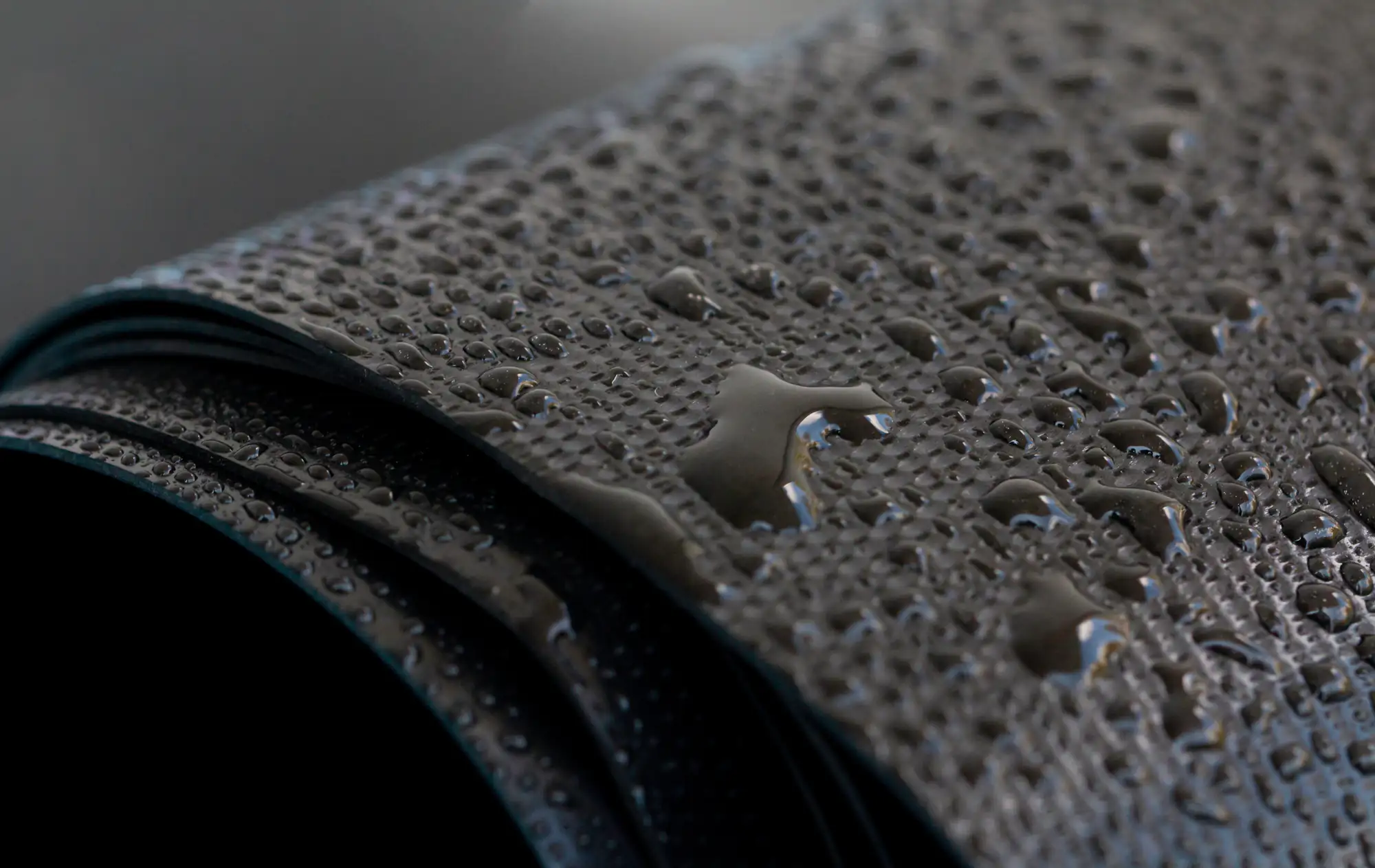
From there, the work typically involves a moisture barrier application or elastomeric coating suited for Central Florida’s conditions — products that can handle the UV exposure, the thermal cycling, and the rainfall volume that Lakeland’s climate delivers year-round. For homes with EIFS — the synthetic stucco system common in Lakeland builds from the 1980s through the 2000s — we pay particular attention to seal integrity at windows, doors, and penetration points, since that’s where EIFS systems tend to trap moisture before the damage becomes visible.
Deck coating and foundation sealing are also part of the conversation for properties where water is pooling or migrating toward the structure. Lakeland’s high water table — a direct result of the city’s lake-dense geography — means foundation moisture pressure is real for a lot of homeowners, not just those in flood-prone zones. Whatever the scope ends up being, you’ll know exactly what it is and why before a single crew member shows up.
How do I know if my Lakeland home actually needs waterproofing right now?
The honest answer is that you may not know without an inspection. By the time you see a water stain on an interior wall or notice a musty smell after a summer storm, moisture has usually been moving through your exterior for a while. The visible sign is the end of the process, not the beginning.
In Lakeland specifically, there are a few things worth paying attention to: hairline cracks in your stucco that have appeared or widened over the past year, any areas where the stucco surface feels soft or hollow when tapped, discoloration or efflorescence (white chalky streaking) on exterior walls, and any water intrusion you noticed during or after last hurricane season. If your home is more than seven years old and has never had its stucco system recoated or inspected, that alone is worth a look — Florida’s climate conditions degrade exterior coatings faster than most homeowners expect.
What does waterproofing actually cost for a home in Lakeland, FL?
Cost depends on what the inspection finds, the size of your home’s exterior, the condition of the existing stucco, and what materials are appropriate for your specific system. A straightforward elastomeric waterproofing coat on a well-maintained stucco exterior will cost significantly less than a project that requires stucco repair, substrate preparation, and then a moisture barrier application on top of that.
What we can say is that the cost of proactive waterproofing is consistently a fraction of what mold remediation or structural stucco replacement runs. In Lakeland’s climate — where homes face 52-plus inches of annual rainfall, high humidity, and accelerating heat cycles — deferred maintenance doesn’t stay deferred for long. The inspection is where you get a real number based on your actual home, not a ballpark that ends up looking very different once the crew arrives.
My stucco looks fine from the outside — does it still need waterproofing?
This is one of the most common misconceptions in the stucco market, and it’s understandable — stucco looks solid, so it’s easy to assume it’s performing. But stucco is a porous material. It absorbs moisture, and the waterproofing layer on top of it is what actually keeps water from migrating through. That layer degrades over time, especially under Florida’s UV load and rainfall cycles, and it doesn’t give you obvious warning signs when it starts to fail.
In Lakeland, homes that were properly coated seven to ten years ago are often at or past the point where that protection has meaningfully degraded — even if the surface looks intact. The risk is that moisture is already working its way in behind the finish layer, and by the time it shows up as a stain or a soft spot, you’re dealing with a repair rather than maintenance. An inspection can tell you where your system actually stands, which is a lot more useful than guessing based on appearance.
Does Lakeland's location near so many lakes affect my home's moisture risk?
Yes, and it’s worth understanding why. Lakeland’s nearly 40 named lakes aren’t just scenic — they reflect a water table that sits close to the surface across much of the city. That means the soil around your foundation stays moisture-saturated for extended periods, particularly during and after the summer rainy season. Homes near Lake Parker, Lake Hollingsworth, or any of the smaller lakes throughout the city’s neighborhoods experience consistent ground-level moisture pressure that homes in drier regions simply don’t.
This affects both foundation sealing and the long-term performance of your exterior stucco system. When the ground around your home is holding moisture, that moisture is constantly looking for a path upward and inward. A properly installed moisture barrier slows that process significantly. Buildings in Lakeland carry an estimated 43% chance of experiencing significant flood depth over a 30-year period — which means moisture management isn’t a fringe concern here, it’s a baseline one.
What's the difference between waterproofing and stucco sealing — are they the same thing?
They’re related but not identical. Stucco sealing typically refers to applying a penetrating or surface sealer that reduces porosity and helps water bead off the surface rather than absorb into the stucco. It’s a useful treatment, but it’s primarily a surface-level solution. Waterproofing is a broader term that can include sealing but also encompasses elastomeric coatings, moisture barriers, deck coatings, and foundation sealing — essentially any system designed to prevent water from penetrating the building envelope.
For most Lakeland homes, the right approach depends on the age and condition of the stucco system. Older homes in neighborhoods like Dixieland may need more comprehensive treatment than a newer build in Grasslands or Lakeland Highlands. EIFS systems have their own specific sealing requirements at joints and penetrations that differ from traditional hard-coat stucco. The distinction matters because applying the wrong treatment — or a surface sealer when a more comprehensive system is needed — doesn’t solve the underlying problem. That’s exactly why we inspect first.
How soon after a major storm should I have my home's exterior inspected in Lakeland?
As soon as you can schedule it. Post-storm moisture damage in Lakeland is particularly deceptive because the visible effects often take weeks or months to surface. When Hurricane Milton dropped 12 to 16 inches of rain across Polk County and caused lake flooding throughout Lakeland, a lot of homes sustained water intrusion that didn’t show up as a visible stain or soft spot until well after the storm had passed. By then, mold had already begun developing in places the homeowner couldn’t see.
The window right after a major storm is when an inspection has the most value — not because the damage is necessarily visible yet, but because catching moisture infiltration early dramatically changes the cost and complexity of the fix. If your stucco system was already approaching the end of its effective waterproofing window before the storm hit, that event may have been the thing that pushed it over the edge. Waiting to see if something shows up is how minor moisture intrusion becomes a significant remediation project.
Other Services we provide in Lakeland