Most homeowners searching for stucco remediation costs in Orange County aren’t doing it out of curiosity. They’ve noticed something — a crack near a window frame, a dark stain below the sill, a soft spot that wasn’t there last year — and now they’re trying to figure out whether they’re looking at a $500 fix or a $50,000 problem. That uncertainty is genuinely stressful, and the range of numbers you’ll find online doesn’t help.
This page is meant to give you a clearer picture: what inspections actually cost in Orange County, what drives remediation prices up, and what a legitimate repair estimate should look like. We work with homes across Central Florida and know exactly what moisture does to stucco systems in this climate.
Stucco Inspection Cost in Orange County, FL
A professional stucco inspection in Orange County typically runs between $500 and $1,500, with most homeowners paying around $850 for a standard residential property. That range isn’t arbitrary — it reflects real variables like the size of your home, how many windows it has, and whether the inspector uses infrared thermal imaging in addition to standard moisture probe testing.
The inspection cost can feel like an added expense when you’re already bracing for repair bills. But here’s the honest reality: no legitimate contractor can give you an accurate remediation cost without one. What looks like a surface crack from the outside can be hiding months of moisture activity behind the stucco layer. The inspection is what tells you which situation you’re actually in.
What Does a Stucco Inspection Actually Include?
A proper stucco inspection isn’t a contractor walking around your house and eyeballing the walls. It involves three distinct steps, each designed to find what a visual scan misses.
The first is the visual examination — a trained inspector walks the full exterior looking for visible signs of failure: cracks at control joints, staining below windows, gaps in caulking, areas where the stucco sounds hollow when tapped. This step identifies where to probe next, but it rarely tells the full story.
The second step is moisture probe testing. The inspector drills small holes — typically a quarter inch — at strategic points around windows, doors, and other penetrations, then inserts a calibrated moisture probe to measure what’s happening inside the wall assembly. Those holes are sealed with color-matched silicone caulk when the inspection is done, so there’s no visible trace. Windows are one of the most common water intrusion points, and inspectors typically test two locations below each window frame — which is why homes with more windows cost more to inspect. Each window can add $50 to $150 to the total.
The third component is the written report. A credible inspection produces documentation with photos, moisture readings, and a clear summary of what was found and where. This report is what you bring to a contractor when you’re getting estimates — and it’s what protects you from vague or inflated scopes of work.
Some inspectors also offer infrared thermal imaging as an add-on. Thermal cameras detect temperature differences in the wall surface caused by hidden moisture, letting inspectors identify wet zones without drilling in every possible location. It’s not always necessary, but for larger homes or properties with a complex history of repairs, it can be worth the added cost.
A $500 to $850 inspection that reveals $2,000 in needed repairs is a very different outcome than a $500 to $850 inspection that reveals $20,000 in hidden rot. You need that information before you commit to anything.
Why 1990s Homes in Orange County Need Closer Attention
Orange County saw significant residential construction during the 1990s and early 2000s, and a large portion of those homes were finished with EIFS — Exterior Insulation and Finish Systems, commonly called synthetic stucco. From the street, EIFS looks identical to traditional hardcoat stucco. Most homeowners have no idea which one they have.
That distinction matters a great deal when it comes to inspection and remediation costs. Traditional three-coat hardcoat stucco is cement-based and somewhat breathable. EIFS from the 1990s — the barrier-type systems installed across neighborhoods in Winter Park, Windermere, Ocoee, Maitland, and Dr. Phillips — was designed to keep water out at the surface, but it had no drainage channel behind it. When water found a way in (and it always does, eventually), it had nowhere to go. It sat behind the foam insulation and against the wood sheathing, quietly causing rot for months or years before any visible sign appeared on the exterior.
Orange County averages more than 50 inches of rain per year, with humidity sitting around 74% on a typical day and climbing well above 90% during summer months. That’s not the same environment as the dry climates where many national stucco cost guides are written. Moisture that gets behind stucco in Central Florida doesn’t dry out between rain events — it accumulates. Mold can begin growing in wall cavities within 24 to 48 hours of water intrusion, and once it starts, it spreads fast.
If your Orange County home was built between the mid-1980s and early 2000s and has what looks like stucco, a professional inspection isn’t optional — it’s the only way to know whether you’re dealing with a manageable repair or something that’s been compounding for years. We work with EIFS systems regularly and know exactly what to look for in homes from that construction era.
Average Cost of Stucco Repair in Orange County, FL
For standard stucco repairs in Orange County, most homeowners pay between $1,000 and $2,500. Simple patch repairs can start as low as $250. When moisture has been active behind the walls for an extended period — causing damage to the substrate, wood framing, or both — costs can exceed $10,000, and full remediation on a larger home can run significantly higher.
The national averages you’ll find on cost-aggregator websites ($900 to $3,000) are a reasonable starting point, but they don’t account for the specific conditions in Orange County. Local labor rates, the prevalence of aging EIFS systems, and the climate’s effect on damage progression all push real-world costs in this market above what a generic national figure suggests.
What Drives Stucco Remediation Costs Up — and What Keeps Them Down
The single biggest cost driver in stucco remediation isn’t the size of your home or the type of stucco system you have. It’s how long moisture has been active behind the surface before anyone addressed it.
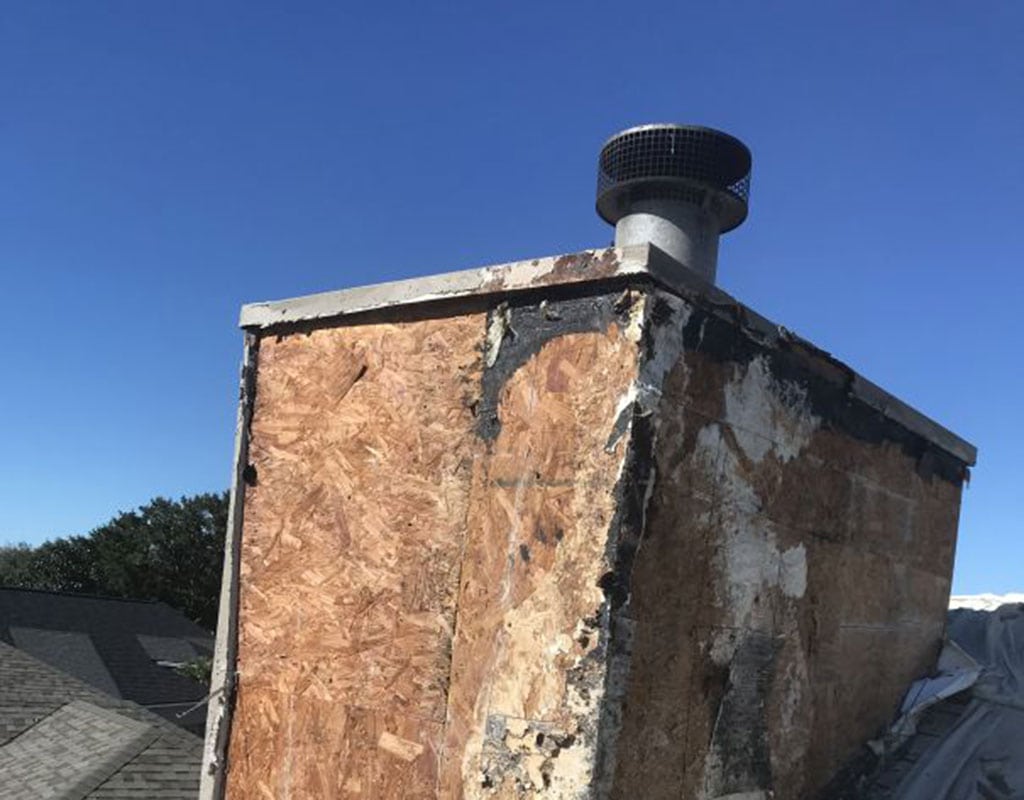
A crack that’s been open for two months in a well-maintained home might need cleaning, sealing, and a coat of elastomeric paint. That same crack left unaddressed through two rainy seasons in Orange County’s humidity can result in saturated insulation, rotted sheathing, and mold growth that requires full wall cavity remediation before any new stucco goes on. The repair scope — and the cost — are completely different, even though the visible symptom on the outside looks similar.
Other factors that move costs up: the number of windows and penetrations in the affected area (each one is a potential intrusion point that requires careful flashing work), whether the damage has reached the wood substrate beneath the stucco, whether mold remediation is needed alongside the stucco work, and whether the damage is concentrated in one area or distributed across multiple elevations.
What keeps costs down is straightforward: catching the problem early. Homeowners who schedule a professional inspection at the first sign of cracking or staining — rather than waiting to see if it gets worse — consistently face smaller scopes of work. A $500 to $850 inspection that catches moisture intrusion before it reaches the framing can save tens of thousands of dollars in remediation costs down the line.
When more than 25 to 30 percent of a home’s stucco surface is compromised, full remediation is almost always more cost-effective long-term than continued patching. Getting an inspection before that threshold is crossed gives you options.
One more thing worth knowing: most Florida homeowner’s insurance policies do not cover damage from slow leaks or poor original installation. That’s the category most stucco moisture damage falls into. Waiting to act while hoping insurance will cover it is a common and costly mistake — by the time a claim is denied, the damage has usually grown considerably.
What a Legitimate Stucco Repair Estimate Should Include
If a contractor gives you a repair estimate without first doing a professional moisture inspection, that’s a red flag. It means they’re pricing what they can see — not what’s actually there. In Orange County’s climate, where the real damage is almost always behind the surface, a visual-only estimate is little more than a guess.
A legitimate stucco repair estimate should be written, not verbal. It should specify the scope of work in clear language — what’s being removed, what’s being replaced, what substrate repair is included, and what the finished surface will look like. It should also address flashing. Window and door flashing is one of the most common failure points in stucco systems, and any estimate for remediation that doesn’t mention it should prompt a question.
Watch for estimates that are vague about materials. In Central Florida’s environment, the materials used for stucco repair matter. Elastomeric sealants, weather-resistant coatings, and moisture barriers rated for high-humidity climates perform very differently from generic alternatives over time. An estimate that doesn’t specify materials leaves you no way to compare bids accurately.
Texture and color matching is another line item that often gets overlooked in initial estimates. If you’re doing a partial repair on a home with existing stucco, the repaired section needs to blend with the surrounding surface — otherwise you end up with a visible patchwork that affects curb appeal and resale value. We work with cosmetic masonry specialists to match existing texture and color as closely as possible, and that process is part of how we scope repair work from the start.
Finally, a credible estimate comes from a licensed contractor. In Florida, stucco work requires a specialty contractor license under the Department of Business and Professional Regulation — a general contractor license doesn’t automatically cover it. Before you sign anything, verify the license number through the DBPR’s online lookup. It takes two minutes and protects you from significant liability if something goes wrong.
Getting the Right Stucco Remediation Cost Starts With the Right Inspection
If there’s one thing to take away from all of this, it’s that the cost of stucco remediation in Orange County isn’t a fixed number — it’s a function of what’s actually behind your walls, and the only way to know that is a professional inspection. Everything else is a guess.
For homeowners in Orange County, especially those in homes built during the 1990s construction boom, that inspection is more urgent than it might feel from the outside. The combination of aging EIFS systems, 50-plus inches of annual rainfall, and year-round humidity creates conditions where hidden moisture damage compounds faster than it does almost anywhere else in the country.
If you’ve noticed cracking, staining, or anything that doesn’t look quite right on your exterior walls, CF Stucco and Painting serves Orange County and the surrounding area with transparent, inspection-first estimates and the kind of EIFS expertise that’s genuinely hard to find. Reach out online and we’ll get back to you within 24 to 48 hours to talk through what you’re seeing.