You’ve got a project in mind. Maybe it’s finally time to address that exterior damage, update your kitchen, or tackle repairs you’ve been putting off. But here’s the part nobody talks about: finding a contractor you can actually trust in Orlando isn’t as simple as a quick Google search.
Between Florida’s licensing maze, climate-specific challenges, and the very real risk of hiring the wrong person, the stakes are higher than most homeowners realize. Your home is likely your biggest investment. The contractor you choose will either protect that investment or put it at risk.
This isn’t a directory. It’s a breakdown of what actually matters when you’re vetting home improvement contractors in Central Florida—and how to make sure the person you hire can handle the job right.
What Makes Orlando Home Improvement Different From Other Markets
Orlando isn’t just another housing market. We know that contractors who succeed here understand how to work with conditions that would trip up someone from out of state.
Start with the climate. Central Florida’s humidity hovers between 70-75% most of the year. That’s not just uncomfortable—it’s a direct threat to your home’s structure. Mold thrives in moisture. Wood warps. Paint peels. Drywall absorbs water it was never meant to hold.
Then there’s the regulatory side. Florida has specific licensing requirements that don’t exist everywhere else. A contractor licensed in another state can’t just show up and pull permits here. They need active Florida DBPR credentials, proper insurance naming you as a certificate holder, and a local business tax receipt. Skip any of those, and you’re looking at fines starting at $500—or worse, work that won’t pass inspection when you go to sell.
Why Florida Climate Demands Specialized Contractor Knowledge
Most contractors can hang drywall or paint a wall. Not all of them know how to do it in a place where the air feels like a wet blanket nine months out of the year.
Humidity doesn’t just make your house feel sticky. It creates an environment where materials behave differently than they would in drier climates. Adhesives take longer to cure. Wood expands and contracts more aggressively. Moisture finds its way into places it shouldn’t—behind walls, under floors, inside HVAC systems.
A contractor who doesn’t understand this will use the same materials and methods they’d use anywhere else. And six months later, you’re dealing with mold in your bathroom, warped cabinet doors, or paint that’s already bubbling off your exterior walls.
The right contractor knows to spec moisture-resistant drywall in high-humidity areas. They understand that your HVAC system isn’t just about temperature—it’s your first line of defense against indoor moisture. They know which paints and sealants actually hold up in Central Florida’s heat and humidity, and which ones are just going to fail.
This isn’t about being picky. It’s about hiring someone who’s done this work in this climate long enough to know what actually lasts. Because the cheapest bid from someone who doesn’t understand Florida construction is going to cost you a lot more in the long run.
You also need someone who understands how Florida’s weather patterns affect project timelines. Summer storms roll in almost daily. Hurricane season isn’t theoretical—it’s a planning consideration. A contractor who’s worked in Orlando knows how to schedule around these realities instead of being blindsided by them.
Licensed Contractors Orlando: What Credentials Actually Matter
Let’s talk about licensing, because this is where a lot of homeowners get tripped up.
In Florida, there are two types of contractor licenses: certified and registered. A certified contractor holds a state license from the Florida Department of Business and Professional Regulation. They can work anywhere in Florida. A registered contractor only has a local license for a specific county or municipality.
For most home improvement work in Orlando, you want someone with an active DBPR license in the appropriate category. That could be a Certified General Contractor, a Certified Building Contractor, or a specialty license depending on your project. You can verify this online through the DBPR’s license search portal—and you absolutely should.
Here’s what matters: the license needs to be current, not suspended, and actually belong to the person you’re hiring. Some contractors use what’s called a “qualifier”—someone else’s license to operate under. It’s legal, but it complicates things if something goes wrong.
Beyond the license, you need proof of insurance. That means general liability coverage and workers’ compensation. Don’t just take their word for it. Ask for a Certificate of Insurance directly from their carrier, with your name listed as the certificate holder. If they can’t produce that, walk away.
You also want to see their local business tax receipt. Every contractor pulling permits in Orlando needs one from either the city or Orange County. No receipt usually means they’re not properly registered to do business here.
And here’s the part that catches people off guard: in Florida, only licensed contractors and “owner-builders” can apply for permits. If you’re hiring someone to do work that requires a permit—and most structural, electrical, or plumbing work does—they need to be able to pull that permit legally. If they suggest you pull it yourself or say the work doesn’t need one when it clearly does, that’s a massive red flag.
The permit issue isn’t just bureaucratic nonsense. Unpermitted work creates real problems. Future buyers will ask to see signed-off permits during the sale process. Mortgage lenders often refuse to finance homes with unpermitted renovations. And if the city catches unpermitted work, you’re the one who pays the fines and has to bring everything up to code—not the contractor who already took your money and left.
Top-Rated Orlando Contractors by Specialty
Home improvement isn’t one skill. It’s dozens. The person who’s excellent at stucco repair might not be the right choice for your kitchen remodel.
Understanding which type of contractor you actually need saves time and money. A general contractor can manage multiple trades and coordinate a complex project. But for specialized work—especially in Florida’s climate—you often want someone who focuses specifically on that trade.
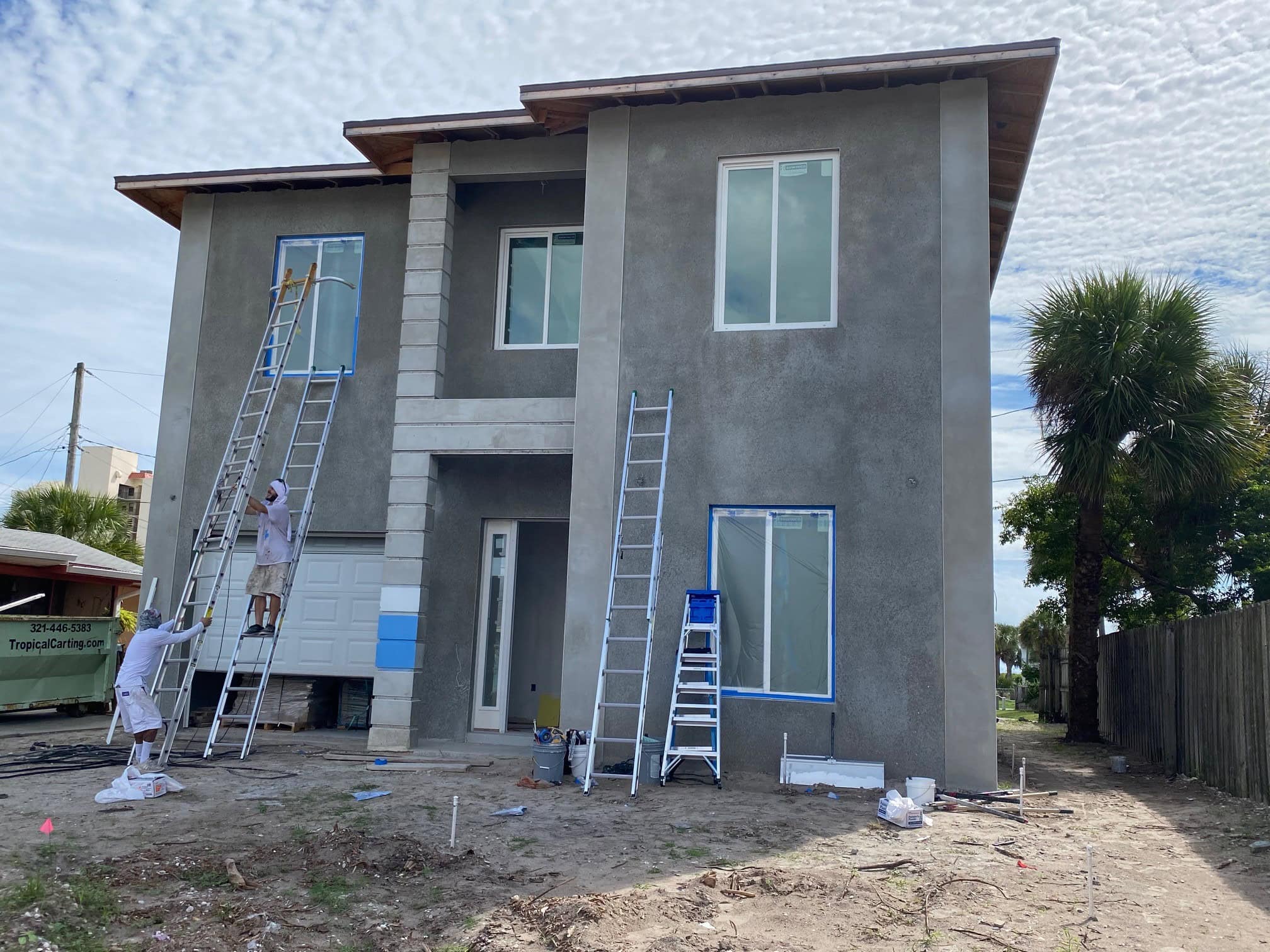
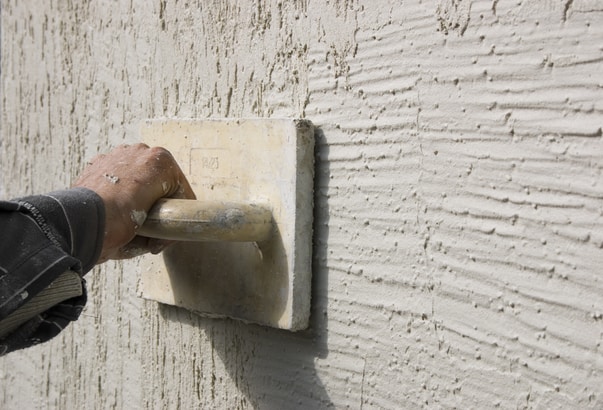
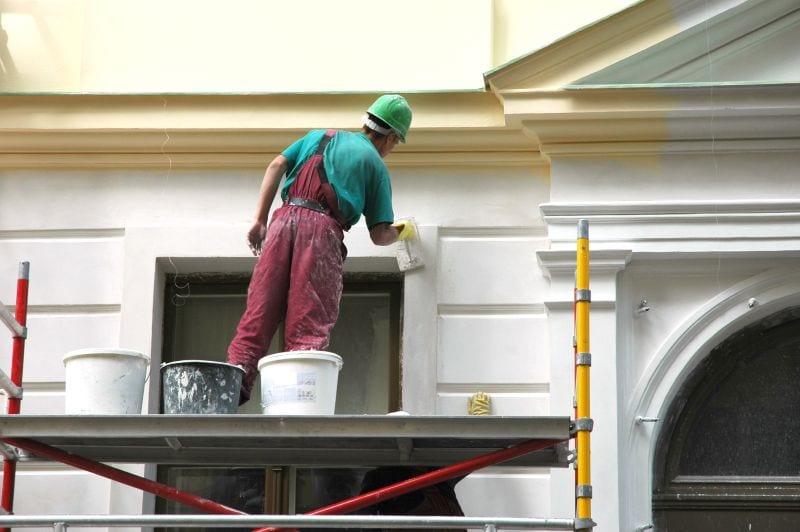
Stucco and exterior work, for example, requires understanding how Central Florida’s humidity and seasonal storms affect exterior surfaces. HVAC contractors here aren’t just installing air conditioning—they’re managing your home’s moisture levels and indoor air quality in a subtropical climate. Plumbers need to know how to handle the specific challenges of Florida’s water table and drainage requirements.
How to Verify Contractor Reputation Beyond Online Reviews
Online reviews matter, but they’re not the whole picture. Anyone can game a review system. Smart vetting goes deeper.
Start with the Better Business Bureau. Check for complaints, how they were resolved, and the company’s overall rating. Then look at the Florida Department of Business and Professional Regulation’s records. You’re not just verifying the license is active—you’re checking for disciplinary actions, suspensions, or complaints filed against them.
Next, ask the contractor for references from recent projects similar to yours. Not just names, but actual contact information for homeowners who had work done in the last six months. Then actually call them. Ask specific questions: Did the contractor show up when they said they would? Were there surprise costs? How did they handle problems that came up? Would you hire them again?
Check your local courthouse records too. Search for the contractor’s business name and see if they’ve been involved in lawsuits, liens, or judgments. This takes maybe 20 minutes online and can reveal patterns you won’t find anywhere else.
Also ask around in your neighborhood. If you’re in an established Orlando community, chances are someone nearby has had similar work done recently. Personal recommendations from people who’ve actually written the check and lived with the results carry more weight than any online review.
Don’t skip the insurance verification. Call the insurance company directly—not just the contractor—and confirm the policy is active and covers the type of work you’re hiring for. Contractors’ policies lapse. If someone gets hurt on your property and their coverage isn’t current, you could be liable.
Finally, trust your gut during the initial consultation. Do they listen to your concerns or just push their own agenda? Do they explain things clearly or use jargon to confuse you? Are they willing to put everything in writing, or do they prefer verbal agreements? These soft signals often predict how the entire project will go.
Red Flags When Hiring Home Improvement Contractors
Some warning signs are obvious. Others are subtle enough that homeowners miss them until it’s too late.
The biggest red flag is pressure to decide immediately. “This price is only good today” or “We can start tomorrow if you sign now” are classic tactics that scammers use to bypass your due diligence. Legitimate contractors who are busy don’t need to pressure you. They have work lined up and can wait for you to make an informed decision.
Cash-only payment requests should make you pause. There’s rarely a legitimate reason a professional contractor can’t accept checks or credit cards. Cash leaves no paper trail, makes it harder to prove what you paid, and often signals someone trying to avoid taxes or accountability.
Excessive upfront payments are another major warning sign. A reasonable deposit for materials makes sense—usually 10-30% depending on the project. But if someone wants 50% or more before they’ve done any work, that’s a setup for them to take your money and disappear. Payment should be tied to milestones: deposit, progress payments as work is completed, and final payment only after you’ve inspected and approved everything.
Watch out for contractors who suggest skipping permits or say your project doesn’t need one when it clearly does. This isn’t them doing you a favor or saving you money. It’s them cutting corners that will come back to haunt you when you try to sell your home or when the city catches the unpermitted work.
Be wary of contractors who can’t provide proof of insurance or say they’re “in between policies.” No insurance means you’re liable if someone gets hurt or property gets damaged. It’s not worth the risk, no matter how good their price is.
Vague or verbal-only contracts are a problem. Everything should be in writing: scope of work, materials to be used, start and completion dates, payment schedule, and warranty information. If they resist putting it in writing or their contract is just a one-page generic form, that’s not someone you want handling a significant investment.
Door-to-door solicitation after storms is almost always a scam. Legitimate contractors don’t need to canvas neighborhoods after hurricanes looking for desperate homeowners. Storm chasers collect deposits and disappear, or they do substandard work that creates more problems than it solves.
Finally, if their estimate is dramatically lower than everyone else’s, ask why. Sometimes it means they’re using inferior materials, planning to cut corners, or don’t actually understand the scope of work. The lowest bid isn’t always the best value—especially when it comes to protecting your home.
Making the Right Contractor Choice for Your Orlando Home
Finding the right contractor in Orlando comes down to doing the homework most people skip. Verify credentials through official channels, not just what they tell you. Check their DBPR license, confirm their insurance, and make sure they can legally pull permits for your project.
Understand that Florida’s climate creates specific demands that not every contractor can handle. The person you hire should have a track record of work that holds up in Central Florida’s humidity, heat, and storm patterns.
Get everything in writing. Don’t accept pressure tactics, cash-only demands, or vague promises. Pay in stages tied to completed work, not all upfront.
And remember that your home is too important to hand over to just anyone with a truck and a business card. The extra time you spend vetting contractors now saves you from costly mistakes later. Whether you need stucco repair, a full remodel, or specialized work in Florida’s challenging climate, we bring over 20 years of Central Florida experience, the reliability and climate-specific knowledge your project deserves.