You’ve decided it’s time to paint. Maybe the exterior’s looking tired after another Florida summer, or your interior needs a refresh. So you start calling contractors, and the estimates start rolling in. One’s $4,500. Another’s $8,200. A third one just says “around six grand, give or take.”
And you’re left wondering: what exactly am I paying for?
Here’s the thing—a house painting estimate isn’t just a number. It’s a roadmap of what’s going to happen to your home, who’s doing it, how long it’ll take, and what you’re getting for your money. In Orlando, where humidity and sun can make or break a paint job in months, understanding what goes into that estimate matters more than you might think.
Let’s walk through what a solid estimate actually includes, what affects the numbers, and how to tell if you’re looking at quality work or just a low bid that’ll cost you later.
House Painter Rates and Pricing in Orlando
When you’re trying to figure out what you should pay, it helps to know what most Orlando homeowners are actually spending. For exterior work, you’re typically looking at somewhere between $4,000 and $12,000, depending on your home’s size and condition. Interior projects usually fall between $3,000 and $8,000.
But those ranges are wide for a reason. A 1,200-square-foot single-story home with siding in decent shape is a completely different project than a 3,000-square-foot two-story stucco house that hasn’t been painted in a decade. The size matters, but so does what your surfaces need before the first drop of paint goes on.
Labor makes up the bulk of what you’re paying—usually between 70% and 95% of your total cost. That’s not padding. That’s the reality of what it takes to prep surfaces properly, apply paint correctly, and clean up afterward. In Central Florida’s climate, rushing through prep work to save a few bucks almost always leads to peeling, bubbling, or mildew within a year or two.
What Affects House Painter Cost in Your Area
Your estimate isn’t pulled out of thin air. Several factors drive the final number, and understanding them helps you see where your money’s actually going.
Square footage is the obvious one. More surface area means more time, more materials, and more labor. But it’s not just about size. A home with intricate trim, multiple colors, or detailed architectural features takes longer to paint than a simple box. Every window frame, every piece of fascia, every door—it all adds up.
Then there’s the condition of your surfaces. If your exterior has peeling paint, cracks that need filling, or wood that’s rotting, that all has to be addressed before painting begins. You can’t just slap paint over problems and expect them to disappear. In fact, doing that pretty much guarantees you’ll be repainting sooner than you should.
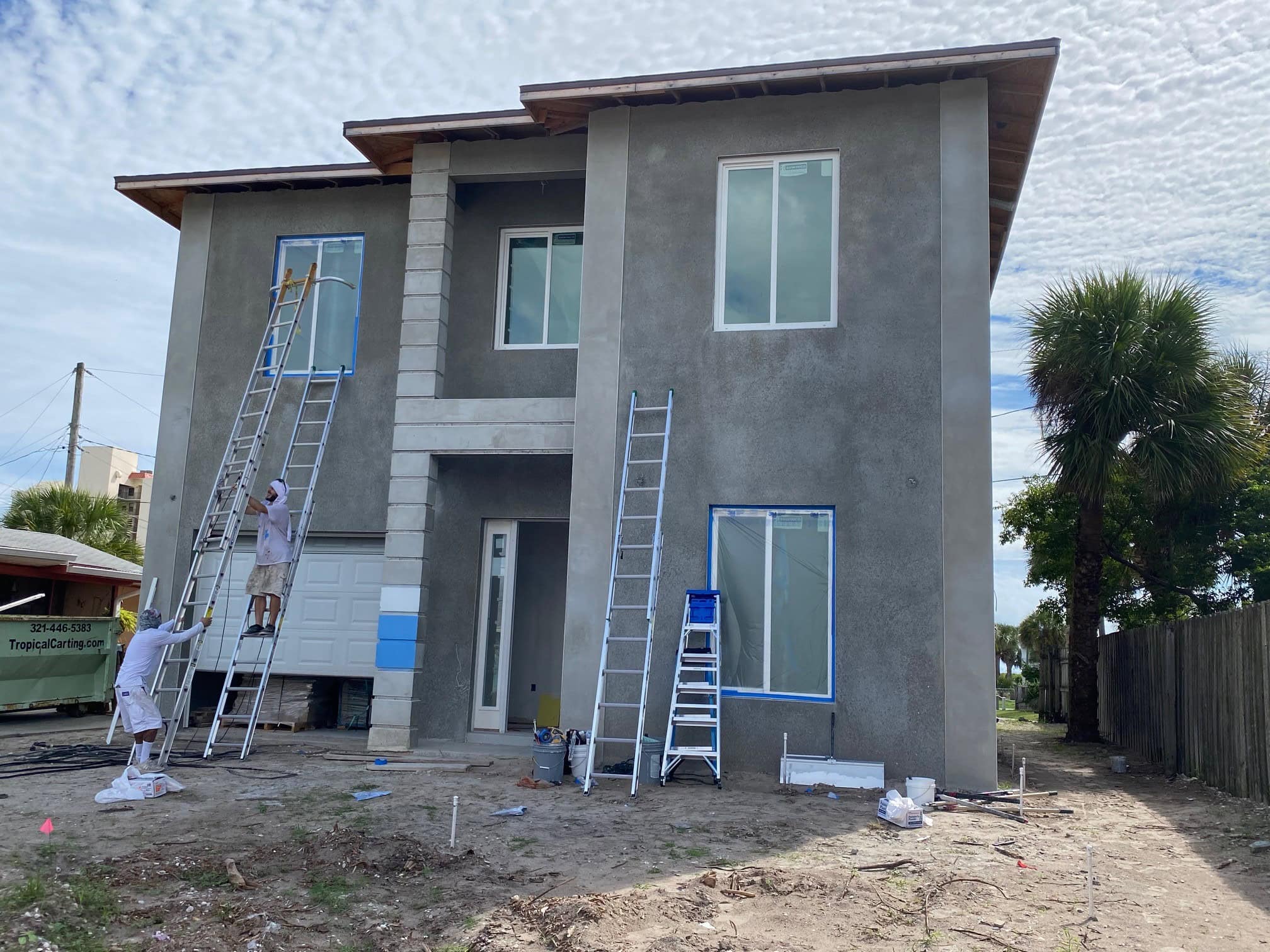
The number of stories matters too. Two-story homes require ladders, scaffolding, and extra safety measures. That adds time and equipment costs. Some contractors charge up to 50% more per story because of the additional labor and risk involved.
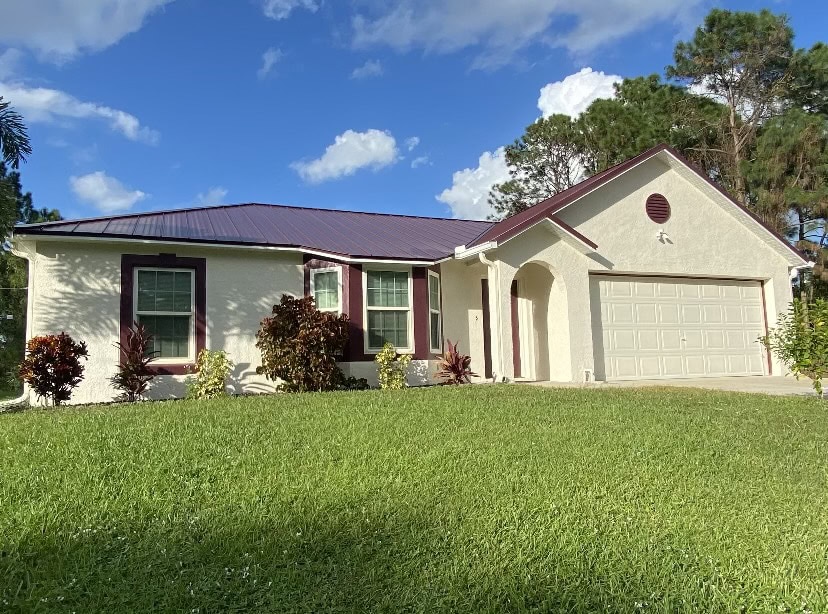
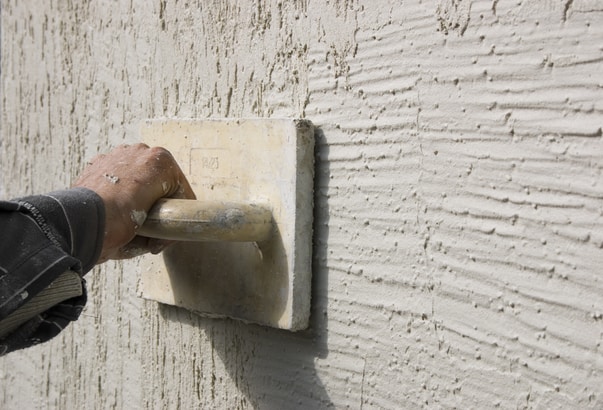
Your material also plays a role. Stucco is extremely common in Central Florida, and it requires specific primers and paints designed to handle moisture. Painting stucco isn’t the same as painting vinyl siding or wood. The right products cost more upfront but last significantly longer in Orlando’s humidity.
Timing can shift costs as well. If you’re scheduling during peak season when every contractor is booked solid, you might pay a premium. Conversely, scheduling during slower months sometimes means better availability and potentially better rates.
And here’s one people don’t always think about: paint quality. A gallon of cheap paint might run $25, while premium paint designed for Florida’s climate can hit $50 to $100 per gallon. But that cheaper paint often requires more coats, doesn’t resist fading or mildew as well, and starts breaking down faster. You end up repainting in four years instead of seven or eight. The math doesn’t work out in your favor.
Understanding Painting Contractor Rates and Labor Breakdown
When you see “labor” listed on an estimate, that’s not just someone showing up with a brush. It’s the entire crew’s time—prep, painting, and cleanup—plus the overhead that comes with running a legitimate, insured painting business.
Most professional house painters in Orlando charge between $20 and $50 per hour per person, though rates can go higher for specialty work or particularly experienced crews. Some contractors price by the square foot instead, typically $1.15 to $3.15 for exteriors and $2 to $6 for interiors. Either way, the labor cost reflects not just the hours spent painting, but the time spent doing all the work that makes the paint actually stick and last.
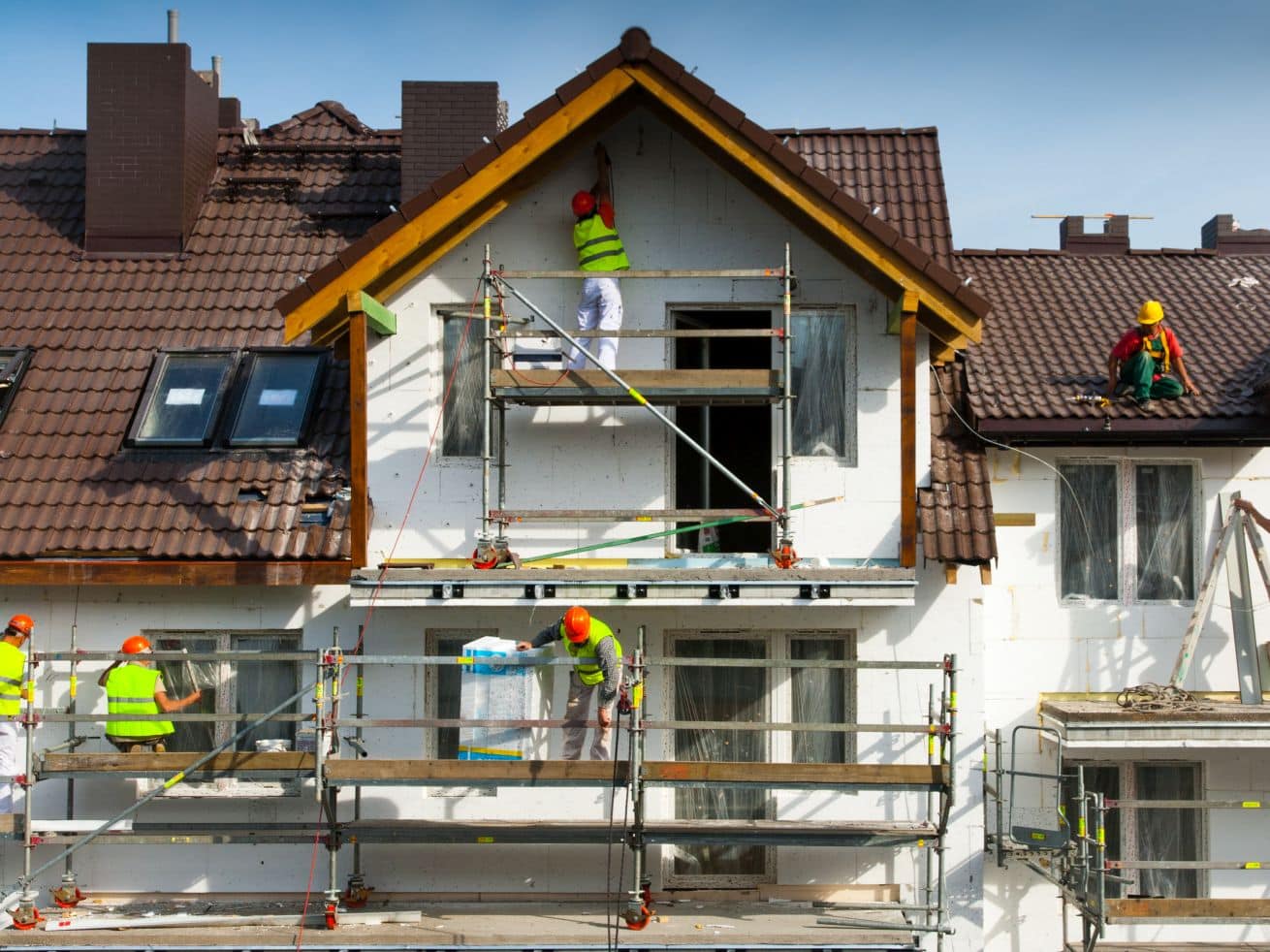
Preparation is where a huge chunk of that labor goes. For exterior jobs, that means pressure washing to remove dirt, mildew, and loose paint. It means scraping off anything that’s flaking or bubbling. It means sanding rough spots, filling cracks, caulking gaps where moisture can sneak in, and priming bare wood or patched areas. All of that happens before the first coat of actual paint.
For interior work, prep includes moving furniture, taping off trim and edges, patching holes, sanding walls, and priming stained or repaired areas. It’s not glamorous, but it’s the difference between paint that lasts and paint that starts peeling in six months.
Then there’s the actual painting. Most quality jobs require at least two coats for durability and even coverage. Applying those coats properly—not too thick, not too thin, with proper drying time between—takes skill and patience. Rushing through it to save time almost always shows in the final result.
Cleanup matters too. A professional crew doesn’t just pack up and leave you with paint-splattered driveways and tarps full of debris. We clean up daily, protect your landscaping, and make sure your property looks better than it did when we arrived—not just the painted surfaces, but everything around them.
All of this is included in that labor line on your estimate. When you’re comparing bids and one seems significantly cheaper, it’s worth asking what’s being cut. Is it prep time? Fewer coats? Less experienced painters? Skipped cleanup? Those shortcuts don’t save you money in the long run—they just shift the cost to you when you have to repaint sooner or deal with a sloppy job.
Exterior Painting Cost Orlando: What Goes Into the Number
Painting your home’s exterior in Central Florida isn’t the same as painting a house in, say, Colorado or Michigan. The climate here demands more from your paint, your prep work, and your contractor’s expertise. That shows up in the estimate.
Orlando’s combination of high humidity, intense UV exposure, and frequent afternoon thunderstorms puts serious stress on exterior paint. If the wrong products are used or the prep work is rushed, you’ll see bubbling, peeling, fading, or mildew growth within a year or two. Quality contractors account for these challenges in both their process and their pricing.
Most exterior painting estimates in the Orlando area run between $4,000 and $12,000, with the average falling somewhere around $5,000 to $7,000 for a typical single-family home. Smaller homes or those in excellent condition might come in lower. Larger homes, multi-story properties, or those needing significant prep work and repairs will be higher.
Materials and Paint Selection for Florida’s Climate
Not all paint is created equal, and in Florida’s climate, that difference matters more than almost anywhere else. Your estimate should specify what type of paint will be used, what brand, and how many coats.
Acrylic latex paints are the go-to for most Central Florida exteriors. They’re breathable, flexible, and resist UV damage better than cheaper alternatives. They expand and contract with temperature changes without cracking, which is crucial when your exterior surfaces can swing from hot to cool multiple times in a single day.
For stucco homes—which are extremely common around Orlando—elastomeric coatings are often the better choice. These create a thick, waterproof membrane that fills hairline cracks and provides superior protection against moisture intrusion. They cost more per gallon, but they’re specifically designed for the challenges stucco faces in humid climates.
Mildew-resistant formulas are practically non-negotiable in Central Florida. Standard paints without anti-microbial additives will grow mildew in shaded areas or anywhere moisture tends to linger. Quality paints designed for Florida include these additives, keeping your home looking cleaner longer.
Primer is another material that should show up in your estimate. Bare wood, patched areas, and certain surfaces need primer to ensure the topcoat adheres properly and performs as expected. Skipping primer to save a few bucks almost always leads to problems down the road.
You should also see materials like caulk, wood filler, and cleaning supplies listed. These aren’t extras—they’re essential to proper preparation. Caulking gaps around windows, doors, and trim prevents moisture from getting behind your paint and causing rot or peeling. Filling cracks and holes creates a smooth surface for paint to adhere to.
When you’re reviewing estimates, pay attention to whether the contractor specifies paint brands and types or just lists “paint” as a line item. Generic listings make it impossible to know if you’re getting quality products or the cheapest option they could find. A detailed estimate tells you exactly what’s going on your home and why.
Preparation Work That Protects Your Investment
Here’s a truth most homeowners don’t realize until it’s too late: the quality of your paint job has less to do with the paint itself and more to do with what happens before the paint goes on. Preparation is where good contractors separate themselves from cheap ones.
For exterior projects in Orlando, proper prep starts with a thorough cleaning. That usually means pressure washing to remove dirt, pollen, mildew, mold, and any loose or flaking paint. But it’s not just about blasting everything with high pressure. Different surfaces require different approaches. Too much pressure on wood can damage it. Stucco needs careful cleaning to avoid forcing water into cracks.
After washing, surfaces need time to dry completely. In Florida’s humidity, that can take longer than you’d expect. Painting over damp surfaces traps moisture under the paint film, leading to bubbling and adhesion failure. We know to wait, even if it means the project takes an extra day.
Next comes scraping and sanding. Anything that’s peeling, cracking, or bubbling has to come off. You can’t paint over failing paint and expect good results. Once the loose material is removed, rough edges need sanding to create a smooth transition between old paint and bare surface.
Caulking is one of the most important—and most often skipped—steps. Every gap, seam, crack, and joint where two surfaces meet needs to be sealed. Water getting behind your paint is one of the fastest ways to cause peeling and rot. Windows, doors, trim, corners—all of it needs attention.
Wood repairs can’t be ignored either. Rotted or damaged wood has to be replaced or filled before painting. Paint doesn’t fix structural problems; it just hides them temporarily. A few months later, the rot continues spreading under that fresh coat of paint.
Finally, priming. Bare wood, patched areas, and certain materials need a quality primer designed for exterior use and humid conditions. Primer seals the surface, improves paint adhesion, and helps prevent issues like tannin bleed (those brownish stains that can show through paint on certain woods).
All of this takes time. A typical exterior paint job in Central Florida might spend three to four days on prep work and only one to two days on actual painting. That ratio might seem backward, but it’s what ensures the paint lasts seven to ten years instead of starting to fail in two or three.
When you’re comparing estimates and one contractor’s price is significantly lower, ask specifically about their prep process. If they’re planning to skip steps or rush through preparation to hit a lower price point, you’re not getting a deal—you’re getting a problem waiting to happen.
Getting a House Painting Estimate That Actually Helps You Decide
A quality house painting estimate does more than tell you what something costs. It shows you what you’re getting, how it’ll be done, and why it’s priced the way it is. It gives you enough detail to compare contractors fairly and make a decision based on value, not just the lowest number.
Look for estimates that break down labor, materials, and preparation work separately. Make sure paint types and brands are specified, not just listed as “paint.” Check that the scope of work clearly defines what surfaces are included, how many coats you’re getting, and what prep work will be done. A timeline helps too—knowing whether you’re looking at a five-day project or a two-week project matters when you’re planning around your schedule.
In Central Florida, where climate puts extra demands on exterior paint, the contractor’s understanding of local conditions should show up in their estimate. Are they using paints designed for humidity and UV exposure? Are they allowing proper drying time? Are they addressing the specific challenges of stucco, wood, or whatever material your home has?
And maybe most importantly: does the estimate come from someone who actually looked at your home in person, or did they just throw out a number over the phone? Quality estimates require a site visit. There’s no way to accurately price a paint job without seeing the condition of your surfaces, the complexity of your home, and the specific challenges your property presents.
When you’re ready to move forward with painting your Orlando home, you want a contractor who communicates clearly, provides realistic timelines, and backs up their estimate with the kind of preparation and materials that actually last in Florida’s climate. That’s what we’ve been delivering to Central Florida homeowners for over 20 years—clear estimates, professional work, and results that hold up to whatever the weather throws at them.