
You’re about to hire someone to work on your home. Maybe it’s stucco repair, exterior painting, or a full renovation. The estimate looks good, the contractor seems reliable, and you’re ready to move forward. But here’s the question most homeowners don’t ask until it’s too late: is this person actually licensed to do the work?
In Florida, contractor licensing isn’t just paperwork. It’s the difference between a project that protects your home and one that puts you at financial and legal risk. Unlicensed work can void your insurance, trigger code violations, and leave you personally liable if something goes wrong on your property.
This guide walks you through Florida’s contractor licensing requirements, what they mean for your project, and how to verify credentials before you hand over a deposit. Let’s start with the basics.
What Are Florida’s Contractor Licensing Requirements?
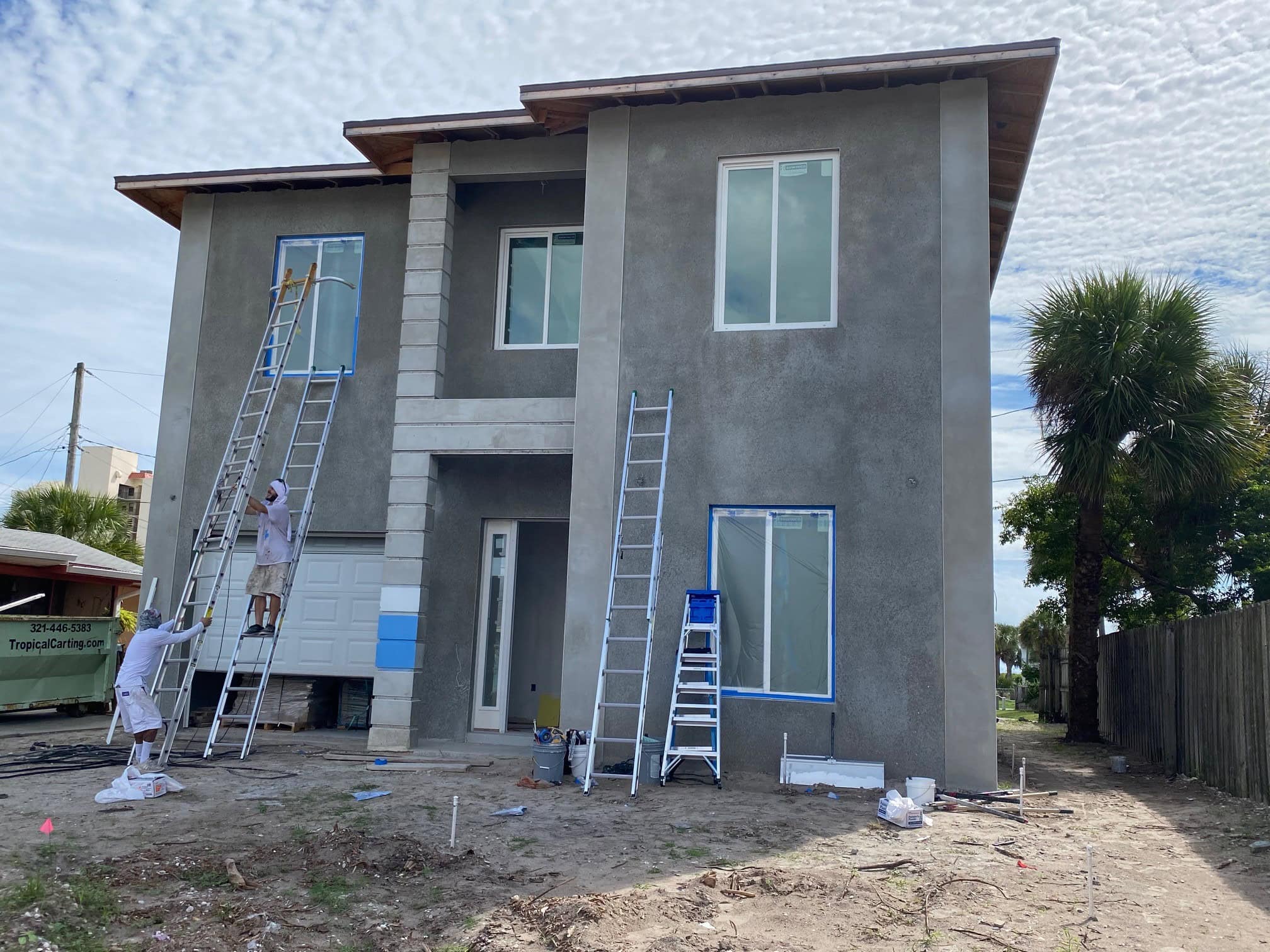
Florida doesn’t require a license for every type of work, but the rules are specific. If a contractor is performing work that totals $500 or more and becomes a finished part of your home’s structure, they need to be licensed. That includes stucco installation, exterior painting that involves surface preparation, and most renovation work.
There are two main types of contractor licenses in Florida: certified and registered. A certified license lets a contractor work anywhere in the state. A registered license limits them to specific counties or municipalities where they’ve met local requirements. Both require passing exams, proving work experience, and carrying insurance, but certified contractors face stricter state-level standards.
For painting and exterior work, things get a little more nuanced. Florida law changed in 2021 to stop local governments from requiring licenses for trades the state doesn’t regulate—like standalone painting. But that doesn’t mean the work is unregulated. Projects over $2,500 may still need permits, and if the work involves structural changes or surface preparation beyond cosmetic touch-ups, a general contractor license is often required.
When Does Painting or Stucco Work Require a License in Florida?
This is where homeowners get confused. You might hear that painters don’t need a license in Florida, and technically, that’s true for small cosmetic jobs. But the moment the work crosses into structural territory—removing damaged material, repairing wood rot under stucco, or applying new exterior coatings that become part of the building envelope—you’re looking at work that requires a licensed contractor.
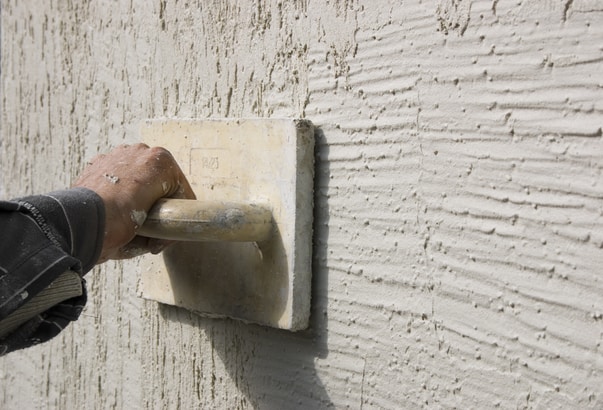
Stucco work almost always requires licensing. Whether it’s repair, installation, or waterproofing, stucco becomes a permanent part of your home’s exterior and structural system. That means the contractor needs either a certified general contractor license, a building contractor license, or a registered license for your specific county. If they’re doing the work without one, they’re operating illegally, and you’re the one who ends up exposed.
Even if the contractor insists the job is small enough to skip licensing, don’t take their word for it. Florida’s Construction Industry Licensing Board oversees these requirements, and local building departments enforce them. If an inspector shows up and finds unlicensed work, you’re the one who has to fix it. That could mean redoing the entire project, paying fines, or dealing with a stop-work order that delays everything.
Here’s a simple test: if the work requires a permit, it almost certainly requires a licensed contractor. And in Florida, most exterior work—especially anything involving stucco, structural painting, or repairs—falls into that category. When in doubt, ask the contractor for their license number and verify it yourself. If they hesitate or claim they don’t need one, that’s your signal to walk away.
The bottom line is this: hiring an unlicensed contractor might save you money upfront, but it puts you at risk for much bigger costs down the road. Insurance companies can deny claims for unlicensed work. Building departments can require you to tear out and redo unpermitted projects. And if a worker gets injured on your property without proper workers’ comp coverage, you could be held personally liable. That’s not a risk worth taking.
How to Verify a Contractor’s License in Florida
Checking a contractor’s license in Florida takes about five minutes, and it’s one of the most important steps you can take before hiring. The Florida Department of Business and Professional Regulation (DBPR) maintains a free, public database where you can search by name, license number, or business name. Go to myfloridalicense.com, enter the contractor’s information, and you’ll see their license status, expiration date, and any disciplinary actions on file.
When you pull up their record, look for a few key things. First, the status should say “Current, Active.” If it says anything else—expired, suspended, revoked, or null and void—that contractor is not legally allowed to work in Florida. Don’t hire them, no matter how good their pitch sounds. Second, check the license type. A roofing contractor can’t do plumbing work, and a registered contractor licensed in one county can’t legally work in another without additional credentials. Make sure their license matches the work you need done.
You also want to verify their insurance. Licensed contractors in Florida are required to carry general liability insurance and, if they have employees, workers’ compensation coverage. Ask for a certificate of insurance and call the insurance company directly to confirm it’s active. Fraudulent certificates are more common than you’d think, and if a contractor is working without valid insurance, you could be on the hook for injuries or property damage.
Don’t skip this step just because the contractor comes recommended or has a professional-looking website. Unlicensed contractors know how to look legitimate. They’ll show up with branded trucks, printed estimates, and smooth sales pitches. But if they’re not licensed, none of that matters. You’re still taking on all the risk.
One more thing to check: the business name. The license should match the name on your contract and estimate. If there’s a mismatch, that’s a red flag. Some unlicensed contractors operate under someone else’s license or use a business name that’s not properly registered. Verify the business entity with the Florida Division of Corporations to make sure everything lines up.
If a contractor refuses to provide their license number or gets defensive when you ask to verify it, that tells you everything you need to know. A legitimate contractor expects you to check their credentials and will make it easy for you to do so. We know that transparency builds trust, and we have nothing to hide.
Why Proper Contractor Licensing Protects Florida Homeowners
Contractor licensing isn’t just a bureaucratic hurdle. It exists to protect you from financial loss, legal liability, and substandard work. When a contractor is licensed, they’ve proven they have the knowledge, experience, and financial stability to do the job right. They’ve passed exams on Florida building codes, business practices, and trade-specific skills. They carry insurance that protects you if something goes wrong. And they’re accountable to the state, which means they can face disciplinary action if they violate regulations or harm consumers.
Unlicensed contractors don’t have any of that accountability. If they do shoddy work, disappear with your deposit, or cause damage to your property, you have very limited recourse. Contracts with unlicensed contractors are unenforceable in Florida courts, which means you can’t sue them for breach of contract. And if they fail to pay their subcontractors or suppliers, those parties can place a lien on your property—even if you already paid the contractor in full.
The financial risks go beyond the project itself. If an unlicensed worker gets injured on your property and doesn’t have workers’ compensation coverage, your homeowner’s insurance may not cover it. You could be personally liable for their medical bills, lost wages, and other damages. That’s not a hypothetical risk. It happens, and it can cost you tens of thousands of dollars.
How Unlicensed Work Affects Your Homeowner’s Insurance
Most homeowners don’t realize this until it’s too late: work performed by unlicensed contractors can void your homeowner’s insurance coverage. Insurance companies require that construction work be done by licensed, insured professionals. If you file a claim for damage related to unlicensed work—whether it’s water intrusion from improperly installed stucco, structural issues from unpermitted renovations, or anything else—your insurer can deny the claim.
That means you’re paying out of pocket to fix the problem, even if you’ve been paying your premiums faithfully for years. And it’s not just the immediate damage. If the unlicensed work causes long-term issues that aren’t discovered until later, you could be dealing with mold remediation, structural repairs, or other expensive fixes that your insurance won’t touch.
Even if you didn’t know the contractor was unlicensed, that doesn’t protect you. Insurance companies will investigate the work history of your home, especially for major claims. If they find unpermitted or unlicensed work, they can use it as grounds to deny coverage. That’s why verifying credentials upfront is so important. It’s not just about the quality of the work—it’s about protecting your financial safety net.
Florida law also requires contractors to pull permits for most exterior work. If your contractor tells you the job doesn’t need a permit, double-check with your local building department. Unpermitted work creates a paper trail problem that follows your home. When you go to sell, the buyer’s inspector may flag unpermitted improvements, which can kill the deal or force you to bring everything up to code before closing. That’s expensive, time-consuming, and entirely avoidable if you hire licensed contractors who do things right from the start.
Homeowners sometimes think they can save money by pulling permits themselves and hiring unlicensed workers. But if you pull the permit, you’re legally responsible for the work. If it fails inspection, if there are code violations, or if something goes wrong, it’s on you. Licensed contractors take that responsibility off your shoulders. We pull the permits, manage the inspections, and ensure the work meets code. That’s part of what you’re paying for, and it’s worth every penny.
What Happens If You Hire an Unlicensed Contractor in Florida?
Hiring an unlicensed contractor in Florida isn’t just risky—it can be illegal. Florida Statute 455.228 makes it a violation to knowingly hire someone who’s required to be licensed but isn’t. The state can issue a cease and desist order and take you to circuit court, where you could face civil penalties up to $5,000. That’s on top of whatever money you’ve already lost to the unlicensed contractor.
But the legal penalties are just the beginning. If the work is done incorrectly, you’ll have to pay someone else to fix it. If it’s unpermitted, you’ll have to bring it up to code, which often means tearing out and redoing the work entirely. If the contractor didn’t pay their subcontractors or suppliers, you could face mechanic’s liens on your property, forcing you to pay twice—once to the contractor and again to the unpaid parties.
And if someone gets hurt? That’s where things get really expensive. If an unlicensed worker or their employee is injured on your property and doesn’t have workers’ compensation insurance, they can sue you directly. Florida law allows injured workers to seek compensation from property owners if the contractor they’re working for isn’t properly insured. That can mean hundreds of thousands of dollars in liability, depending on the severity of the injury.
Even if nothing goes wrong during the project, unlicensed work creates long-term problems. It affects your home’s resale value. It complicates refinancing. It makes future renovations harder because inspectors will flag the unpermitted work. And it leaves you with no recourse if the work fails down the line. Licensed contractors offer warranties and are accountable to the state. Unlicensed contractors can disappear, change their business name, or simply refuse to fix problems, and there’s not much you can do about it.
The risks are real, and they’re not worth the short-term savings. Florida’s contractor licensing requirements exist for a reason. They protect homeowners from fraud, shoddy workmanship, and financial loss. When you hire a licensed contractor, you’re not just paying for their labor—you’re paying for accountability, insurance, and legal protection. That’s a trade-off that makes sense every time.
Protect Your Home with Properly Licensed Contractors
Contractor licensing in Florida isn’t optional, and it’s not just red tape. It’s the system that protects you from liability, insurance problems, and costly mistakes. Whether you’re planning stucco repairs, exterior painting, or a full renovation, hiring a licensed contractor is the smartest move you can make.
Take the time to verify credentials. Check the DBPR database. Confirm insurance coverage. Make sure permits are pulled and inspections are passed. Those steps take minutes, but they can save you from months of legal battles, financial losses, and stress.
If you’re in Orange County, FL or anywhere in Central Florida and need stucco or painting work done right, we operate with full licensing, proper insurance, and a commitment to doing things by the book. Reach out for a free estimate and the peace of mind that comes with working with professionals who understand Florida’s requirements.