If you’ve received an HOA violation notice about your stucco — or you know an inspection is coming and your exterior has seen better days — you’re probably weighing your options right now. How serious is it? Can a patch job get you through? How much is this going to cost, and can someone actually finish it before your deadline?
Those are the right questions. And the answers depend on what’s actually going on with your stucco, not just what’s visible from the street. Here’s what we’ve learned working on homes across Orange County, FL for over 20 years.
What Is Stucco Restoration and How Is It Different From a Repair?
Most people use “repair” and “restoration” interchangeably, but they’re not the same thing — and the difference matters when you’re trying to pass an HOA inspection.
A repair is targeted. It addresses a specific crack, a patch of damage, or a localized problem. Restoration is more comprehensive. It involves a full evaluation of the stucco system, addressing any underlying moisture or structural issues, and bringing the entire exterior back to a condition that’s both structurally sound and visually consistent.
Think of repair as fixing a single problem, and restoration as returning the whole system to working order. For HOA compliance in Orange County, that distinction is critical. An inspector isn’t just looking at one crack — they’re evaluating the full exterior. A visible patch that doesn’t match your existing texture or color can fail just as easily as the crack it was meant to cover.
What Does the Stucco Inspection Cost, and What Does It Actually Cover?
Before any restoration work begins, a proper inspection is the first step — and it’s worth understanding what you’re paying for. Stucco inspections in Florida typically run between $500 and $1,500, with a national average around $850. For homes with EIFS (synthetic stucco), which is common across Orange County’s housing stock from the late 1980s through the late 1990s, specialized inspections tend to run between $400 and $600 depending on the scope.
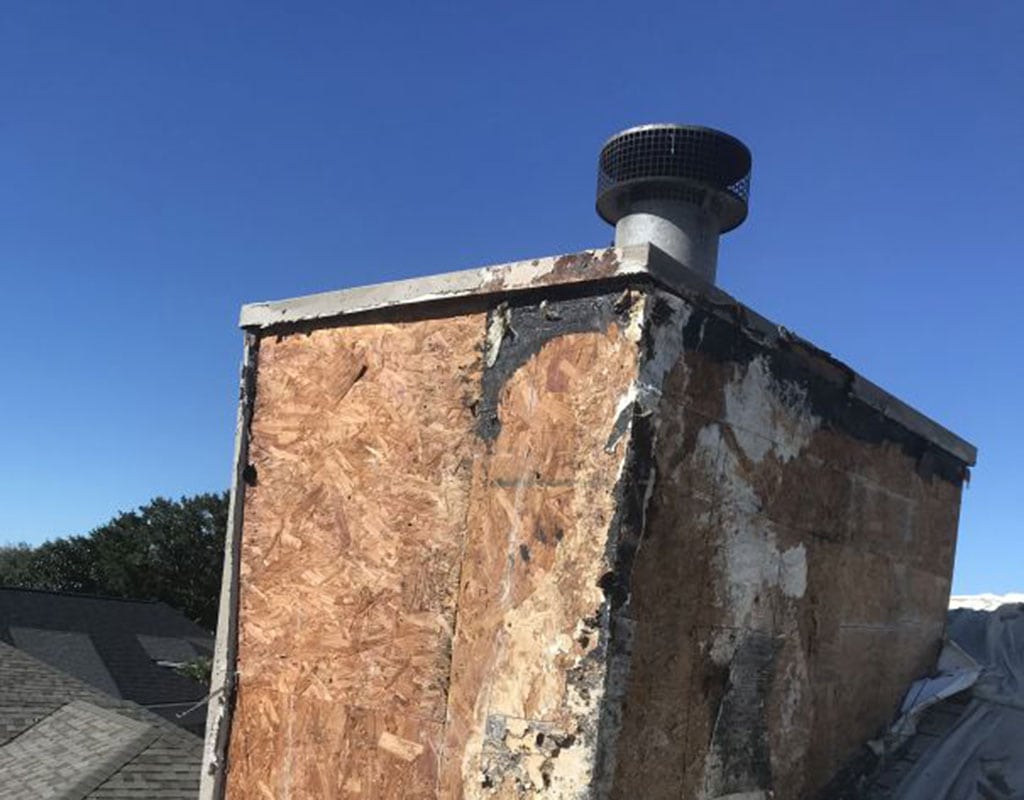
What does that cover? A thorough stucco inspection goes beyond what’s visible on the surface. It looks at the condition of caulking around windows, doors, and penetrations — because that’s often where moisture first gets in. It checks for soft spots, efflorescence (the white mineral deposits that signal moisture movement through the wall), and any areas where the stucco has separated from the substrate underneath. On homes with EIFS, moisture probing may be part of the process to check for trapped water behind the finish layer.
The reason this matters for HOA deadline situations is straightforward: if you skip the inspection and go straight to patching what’s visible, you may pass this round and fail the next one — because the underlying problem didn’t go anywhere. Worse, the moisture that’s been sitting behind your walls may have already started working on your framing.
In Orange County, where average humidity sits around 74% and the county receives more than 50 inches of rain annually, moisture intrusion is rarely a one-time event. It’s an ongoing process that accelerates through any gap in the exterior system. A proper inspection tells you what you’re actually dealing with before you commit to a scope of work.
Anyone quoting you a price over the phone without seeing the property is guessing. A real estimate comes after an inspection, not before.
Why 1990s Homes in Orange County Face a Different Kind of Stucco Problem
If your home was built between roughly 1985 and 2000, there’s a meaningful chance it has EIFS — Exterior Insulation and Finish System — rather than traditional three-coat stucco over concrete block. EIFS became extremely popular during that era because it offered better insulation and a clean, smooth finish at a competitive cost. Entire subdivisions across Hunter’s Creek, MetroWest, Windermere, and Dr. Phillips were built with it.
The problem is that early EIFS systems were barrier designs. They had no drainage plane — no path for moisture to escape if it got past the finish layer. And in Central Florida’s climate, moisture finds a way in. Cracks form from thermal expansion and contraction. Caulking around windows ages and fails. Wind-driven rain during summer storms pushes water into gaps that wouldn’t matter in a drier climate.
Once that moisture is behind the finish layer of a barrier EIFS system, it has nowhere to go. It sits against the wood framing and sheathing underneath, and over time, it causes rot, mold, and structural damage that doesn’t announce itself until it’s already significant.
Many homeowners in these Orange County communities have had their stucco patched two or three times and keep seeing the same problems come back. That’s not bad luck — it’s what happens when the surface gets treated without addressing the system underneath.
Modern EIFS systems include a drainage plane specifically to prevent this. If your home has original early-generation EIFS and you’re seeing recurring issues, the right conversation isn’t about the best patch material — it’s about whether the system itself needs to be restored or replaced. We work specifically with aging EIFS systems across Orange County and bring both the technical knowledge and the engineering relationships to handle those situations correctly.
Getting a Stucco Repair Estimate Before Your HOA Deadline
Cost is usually the first thing homeowners want to know, and it’s also the thing that varies most widely in this industry. Stucco repair in Orange County can range from $250 for a straightforward patch to well over $10,000 when moisture has been working behind the walls for months. The per-square-foot range runs from $8 to $50 depending on the extent of the damage, the type of stucco system, and how much prep work is involved.
That’s a wide range, and it’s honest. The only way to give you a number that actually means something is to look at your home first. What looks like a simple crack from the street might have a very different story behind it.
What Goes Into a Stucco Repair Estimate — and Why They’re Not All Equal
When you’re getting estimates for stucco restoration before an HOA deadline, the number at the bottom of the page is only part of the picture. What the estimate actually covers — and what it leaves out — is where the real differences show up.
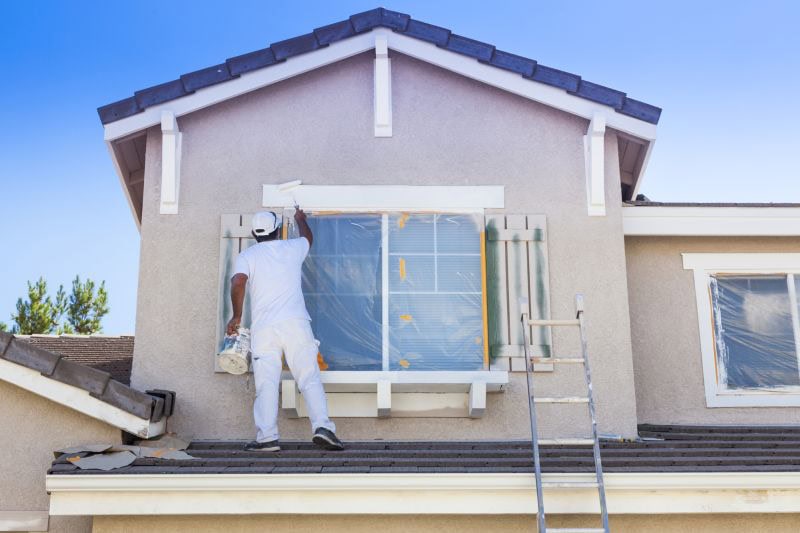
A thorough estimate should account for surface preparation, not just the visible repair. Surface prep is the step that most failed stucco jobs skipped. It means cleaning the surface, sealing cracks with high-grade elastomeric caulking, conditioning the masonry, and addressing any moisture issues before a single coat of new material goes on. If an estimate doesn’t mention prep, or buries it in vague language, that’s worth asking about directly.
Texture and color matching should also be part of the scope. For HOA compliance, the repaired area has to blend with the rest of your exterior — not just structurally, but visually. Inspectors notice obvious patches. We work with cosmetic masonry specialists specifically to achieve seamless results, because passing inspection means the repair shouldn’t be visible from the street.
Timeline is the other factor that matters enormously in HOA deadline situations. A lower bid from a contractor who’s booked out six weeks doesn’t help you when your notice gives you 30 days to resolve the issue. We give realistic start and completion timelines upfront, and we keep you updated throughout the project — not because it’s a nice-to-have, but because you need to know where things stand when you have a hard deadline coming.
Finally, a written estimate with a clear scope of work protects you. It means the price you agreed to is the price you pay. No mid-project surprises, no additions that weren’t discussed. That’s how we approach every job.
Commercial Stucco Repair and HOA-Managed Properties in Orange County
HOA deadlines aren’t only a single-family homeowner problem. Commercial properties, multi-family buildings, and HOA-managed common areas across Orange County face the same stucco failure mechanisms — often at a larger scale and with more at stake.
For a commercial property or a community association managing a common exterior, visible stucco damage isn’t just a code compliance issue. It affects the perception of the entire property. Cracked, stained, or deteriorating stucco on a storefront, office building, or community entrance signals deferred maintenance to tenants, buyers, and anyone walking past. In a market like Orange County — where Lake Nona, Baldwin Park, and Laureate Park have set a high visual standard for planned communities — that perception has real consequences.
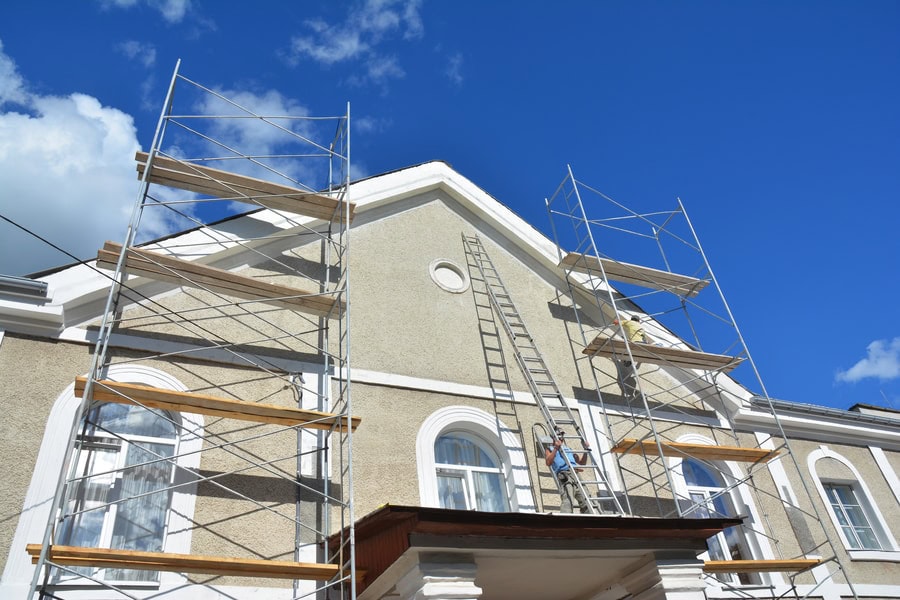
The structural risks are the same regardless of property type. Commercial stucco systems age, caulking fails around penetrations, moisture finds its way in, and EIFS systems installed in the 1990s are now 25 to 40 years old regardless of whether they’re on a house or a strip mall. The difference is that commercial and multi-family properties often have larger surface areas, occupied-building constraints, and more complex code compliance requirements to navigate.
We serve both residential and commercial properties across Orange, Osceola, Seminole, Volusia, Brevard, and Lake Counties. For commercial stucco repair, the process starts the same way it does for residential work: a proper inspection, an honest assessment of what the system actually needs, and a written estimate that reflects the real scope of the job. When structural issues are involved, we coordinate with engineers — something most stucco contractors don’t offer and can’t deliver.
If you’re managing a commercial property or an HOA-governed community with a stucco problem, the conversation is worth having before the damage gets worse or the deadline gets closer.
How to Choose the Right Stucco Contractor Before Your Orange County HOA Inspection
If there’s one thing to take away from all of this, it’s that the inspection date on your calendar is a fixed point — and the condition of your stucco is not going to improve on its own between now and then.
The right contractor will inspect before they quote, explain what they find, match texture and color so the repair isn’t obvious, and give you a realistic timeline you can actually plan around. They’ll be licensed and insured in Florida, which is a legal requirement — not a bonus. And they’ll put the scope of work in writing so there are no surprises when the job is done.
If you’re in Orange County and you’re working against an HOA deadline, CF Stucco and Painting is worth a call. We’ve been working on stucco systems across Central Florida for over 20 years, we understand what inspectors are looking for, and we give you a straight answer about what your home actually needs.