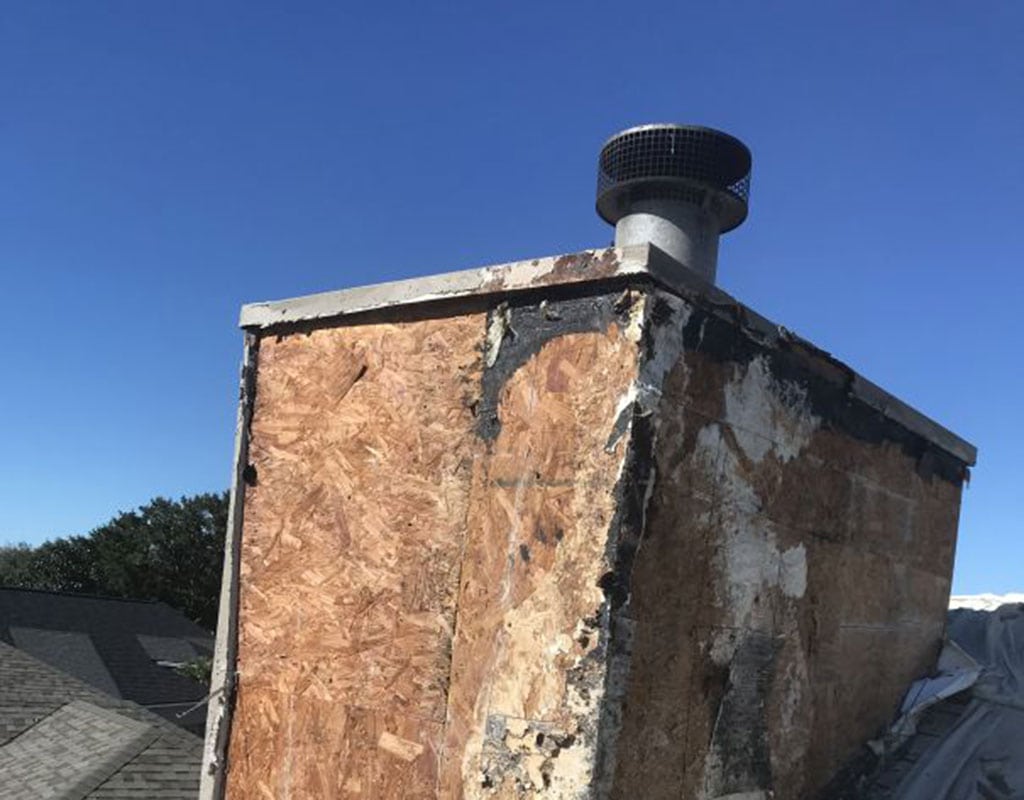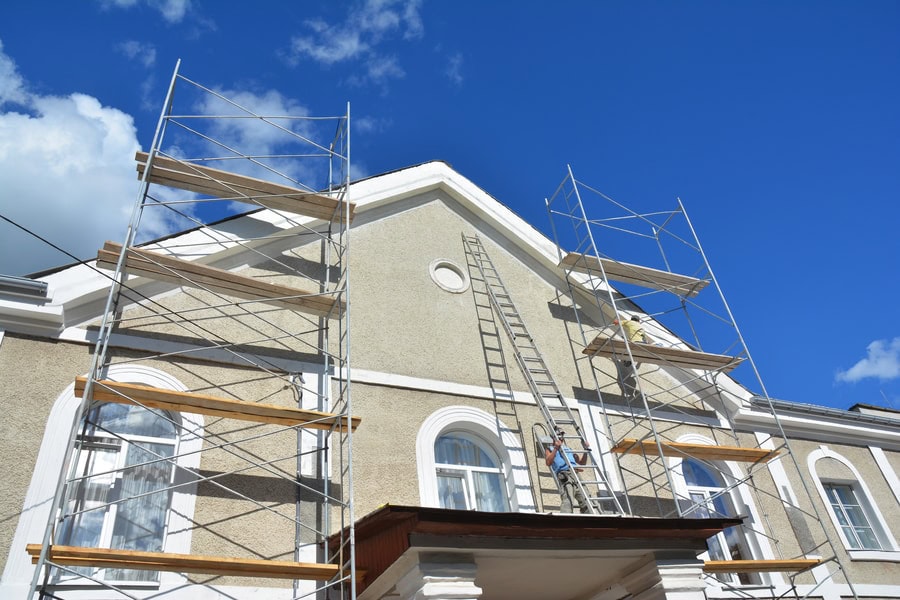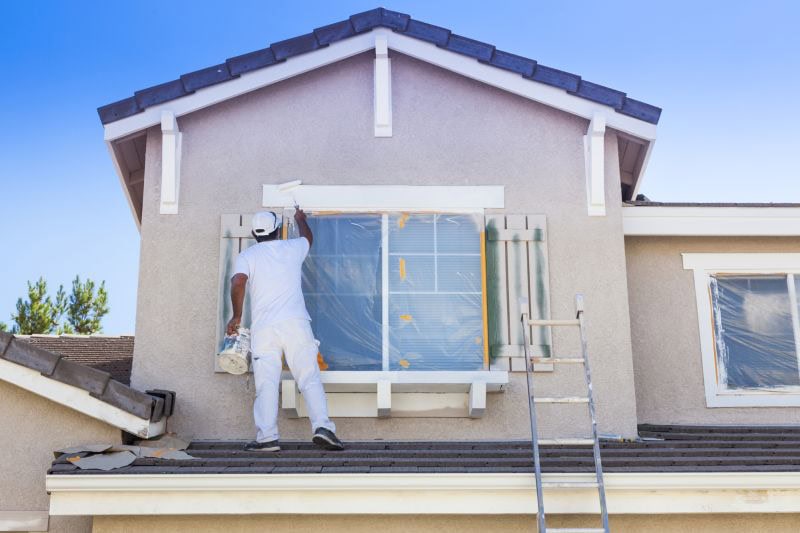
That small crack in your stucco isn’t just cosmetic. In Florida’s humid climate, it’s often the only visible sign of serious moisture damage happening behind your walls right now. You can’t see the rotting wood, growing mold, or deteriorating structure—but it’s there, getting worse by the day.
An invasive stucco inspection cuts through the guesswork. It tells you exactly what’s happening beneath the surface, with actual moisture readings from inside your walls. You’ll know if you’re dealing with a simple repair or a problem that could cost tens of thousands to fix. Let’s talk about how this inspection works and why it matters for your Central Florida home.
What Is an Invasive Stucco Inspection
An invasive stucco inspection involves physically testing the moisture content behind your stucco surface. Unlike visual inspections that only examine what’s visible, this method drills small holes into your walls to insert moisture probes directly into the substrate and wood framing.
The inspector measures actual moisture levels in the materials behind your stucco. They’re checking the plywood sheathing, wood framing, and other structural components that water destroys when it gets trapped. These readings tell you whether moisture is present and how severe the problem has become.
This isn’t guesswork or estimation. When the probe shows moisture content above 19% in wood-framed substrates, you’ve got elevated risk of rot and structural damage. The inspector documents everything with specific readings, photographs, and detailed notes about where problems exist.
How Invasive Moisture Testing Works
The process starts with a visual assessment. We examine your stucco for surface cracks, discoloration, water stains, bulging areas, and other warning signs. We look at vulnerable spots like window and door frames, roof intersections, and areas where water tends to accumulate.
Based on what we find visually, we identify specific locations for invasive testing. We drill two small holes about 1/4 inch in diameter, spaced roughly one inch apart. These holes penetrate through the stucco finish coat, brown coat, and scratch coat to reach the substrate material behind.
Through these openings, we insert specialized moisture meter probes. The probes measure electrical resistance in the wood and sheathing materials. Wet wood conducts electricity differently than dry wood, giving precise moisture content percentages. We also test the firmness of the substrate, checking whether the wood has started to soften from rot.
We test multiple locations around your home. High-risk areas get priority—places where water commonly enters like kickout flashings, weep screeds, control joints, window perimeters, and roof-to-wall connections. Random testing in field areas provides a complete picture of your stucco system’s condition.
After collecting all the data, we fill and patch the test holes with appropriate sealant. When done properly, these small repairs blend with your existing stucco and don’t compromise your home’s weather protection. You’re left with definitive information about what’s happening inside your walls.
The entire inspection typically takes one to three hours depending on your home’s size and the number of test locations needed. You receive a comprehensive report detailing moisture readings, problem areas, photographic evidence, and specific recommendations for repairs if issues are discovered.
When You Need Invasive Testing vs Non-Invasive Methods
Non-invasive inspections use tools like infrared cameras and surface moisture meters. These methods don’t damage your stucco, but they also can’t give you definitive answers. Thermal imaging shows temperature differences that might indicate trapped moisture, but it can’t measure actual moisture content or confirm rot.
You need invasive testing when non-invasive methods raise red flags. If thermal scans show cool spots suggesting moisture, invasive probes confirm whether water is actually present and how much damage exists. Surface tools can miss problems entirely or create false positives from environmental conditions.
Invasive inspection becomes essential for older stucco systems. Homes built during Florida’s construction boom in the 1990s and early 2000s commonly have installation defects. Missing moisture barriers, improper flashing, inadequate drainage systems, and rushed application all lead to premature failure. If your home was built during this period, invasive testing provides the only reliable way to assess what’s happening behind your walls.
You absolutely need invasive inspection before purchasing a stucco home. Standard home inspections don’t include specialized stucco assessment. Most home inspectors aren’t trained to evaluate stucco systems properly. They might note surface cracks, but they won’t use moisture meters or perform the invasive testing necessary to uncover hidden damage.
Buyers who skip this step often discover catastrophic problems after closing. By then, they own a home requiring $20,000, $50,000, or even $100,000 in stucco remediation. Spending $500 to $1,500 on invasive inspection before purchase can save you from inheriting someone else’s moisture disaster.
Current homeowners should get invasive testing if they notice warning signs. Visible cracks wider than 1/8 inch, water stains or discoloration on stucco surfaces, bulging or soft spots, peeling paint, interior water damage, musty odors, or mold growth all indicate potential moisture intrusion. Don’t wait until problems become obvious—by that point, significant damage has already occurred.
Florida’s climate accelerates stucco deterioration. What starts as a small crack can progress from minimal damage to structural failure in just months. Our intense humidity, heavy rainfall, and temperature fluctuations create conditions where moisture problems compound quickly. Invasive testing catches issues while they’re still manageable and affordable to repair.
Why Certified Stucco Inspector Credentials Matter
Not every home inspector can properly evaluate stucco systems. Certified stucco inspectors have specialized training in building envelope science, moisture dynamics, stucco installation standards, and EIFS systems. They understand how water moves through wall assemblies and where failures typically occur.
Certification programs like those offered by the Exterior Design Institute (EDI) teach inspectors the technical knowledge needed for accurate assessment. They learn proper moisture testing protocols, how to interpret readings, which areas require testing, and how to document findings for insurance claims and legal purposes.
Florida presents unique challenges that require local expertise. Central Florida’s climate, common construction practices, prevalent EIFS use, and specific failure patterns demand knowledge that general home inspectors don’t possess. A certified stucco inspector familiar with Orange County, FL conditions knows exactly what to look for and how to interpret what they find.
What Certified Inspectors Test During Invasive Inspection
A thorough invasive inspection examines multiple aspects of your stucco system. We test moisture content in the substrate materials—the plywood sheathing and wood framing that stucco covers. These components rot when exposed to prolonged moisture, compromising your home’s structural integrity.
We evaluate the condition of moisture barriers. Proper stucco installation includes weather-resistive barriers behind the finish coat. These barriers prevent water that penetrates the stucco from reaching the wood structure. Missing, damaged, or improperly installed barriers are common defects in Florida homes, especially those built during the construction boom.
We check flashing installation at critical junctions. Water enters stucco systems most frequently at windows, doors, and roof-to-wall connections. Proper flashing diverts water away from these vulnerable areas. Missing kickout flashings, inadequate head flashings, or improperly sized flashing components create direct pathways for water intrusion.
The drainage plane gets evaluated during invasive testing. Stucco systems need space behind the finish coat for water to drain downward and exit through weep screeds. When this drainage plane is blocked, compressed, or absent, water becomes trapped against the substrate. We identify whether your system has adequate drainage capacity.
We assess weep screed presence and function. Weep screeds are the termination point at the bottom of stucco walls that allows trapped moisture to escape. They also prevent water from wicking up into the stucco from ground contact. Blocked, missing, or improperly installed weep screeds contribute significantly to moisture problems.
Control joints and expansion joints receive attention during inspection. These components accommodate building movement and prevent cracking. When absent or improperly located, the stucco cracks as the structure settles and shifts. Those cracks become entry points for water, starting the cycle of moisture intrusion and damage.
We document stucco thickness. Proper three-coat application should measure at least 7/8 inch total thickness. Thin application—common when contractors rushed work during the building boom—leads to premature failure. Invasive testing can reveal whether your stucco meets minimum thickness standards.
Work Quality Assurance Standards for Stucco Inspection and Repair
Quality assurance in stucco work starts with proper inspection before repairs begin. When you hire contractors to fix stucco problems, invasive inspection establishes the true scope of work needed. Without this assessment, contractors make educated guesses about what’s behind your walls.
Those guesses often prove wrong once work starts. Contractors discover additional damage mid-project, leading to change orders and budget overruns. You thought you were fixing one wall, but suddenly you’re replacing rotted framing throughout the house. Invasive inspection prevents these surprises by revealing the full extent of damage upfront.
Professional inspection provides documentation that protects you legally. If you’re selling a home, inspection reports demonstrate due diligence. You’ve disclosed known conditions to buyers, reducing liability for future claims. If you’re buying, the inspection creates leverage for negotiating repairs or price reductions based on documented defects.
The detailed reporting from invasive inspection supports insurance claims. Most homeowner policies exclude long-term moisture intrusion and installation defects, but sudden damage from specific events may be covered. Documented evidence of when damage occurred and what caused it strengthens your position with insurance companies.
Quality assurance extends to contractor selection. When you know exactly what repairs are needed, you can get accurate bids from multiple contractors. You’re comparing equivalent scopes of work rather than vague proposals. Contractors can’t lowball estimates then claim they didn’t know about hidden damage.
Invasive inspection also establishes baseline conditions for warranty protection. After repairs are completed, follow-up testing confirms that moisture issues have been resolved. You have proof that work was done correctly and that your stucco system now performs as intended. This documentation becomes valuable if problems recur and warranty claims become necessary.
For Central Florida homeowners, quality assurance means working with professionals who understand regional challenges. Our attention to detail in inspection processes includes comprehensive documentation, photography, and detailed reporting. We identify the connection between proper inspection and repair planning, preventing the widespread stucco failures common in Florida.
We handle wood repair under stucco when inspection reveals substrate damage. This integrated approach means you’re not coordinating between separate inspectors and repair contractors. The same team that identifies problems has the expertise to fix them properly, designed specifically for Florida’s climate challenges.
Stucco Inspection and Repair Solutions for Orange County Homeowners
Invasive stucco inspection gives you something priceless—certainty. You know what’s happening behind your walls instead of worrying about what might be there. You can make informed decisions about repairs, purchases, or sales based on actual data rather than assumptions.
Florida’s climate doesn’t give you the luxury of waiting. Moisture problems that might develop slowly in other states accelerate here. A few months of delay can transform a manageable repair into a complete stucco remediation project costing tens of thousands of dollars.
The inspection process is straightforward, minimally invasive, and provides maximum information. Small test holes patched after testing give you access to critical data about your home’s condition. Whether you’re buying, selling, or maintaining your property, this investment protects much larger investments in your home and your family’s safety.
We bring the expertise Central Florida homeowners need for thorough stucco assessment and quality repairs. Our focus on communication, professional preparation work, and attention to detail ensures you understand exactly what your home needs and why it matters. Get the answers your Orange County, FL home deserves.