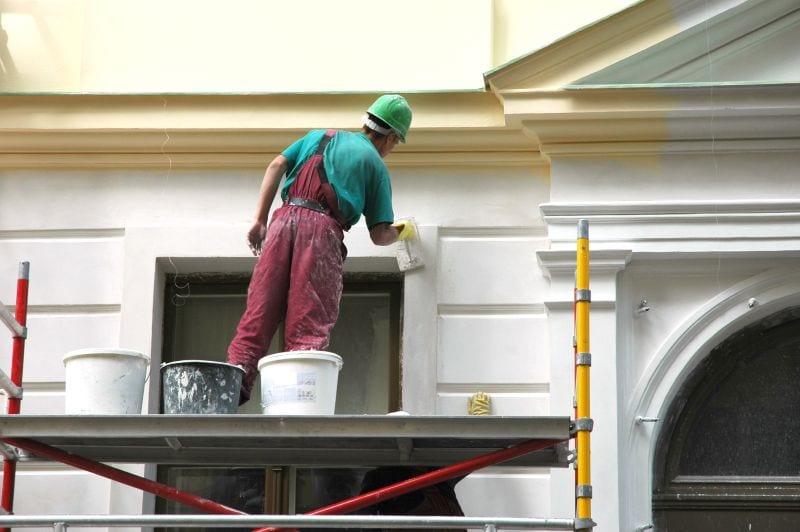
You’ve probably noticed that not every house in Orange County needs the same paint job. Some have aluminum siding that requires specific prep work most painters skip. Others have wood rot hiding under stucco that no amount of paint will fix. And plenty have unique architectural details that deserve more than a basic color match and two coats.
Custom home painting addresses what standard services ignore. It’s about handling the surfaces others avoid, fixing the structural issues that cause paint to fail early, and creating finishes that actually hold up to Central Florida’s humidity and relentless sun. You’ll walk away understanding what sets comprehensive painting work apart from quick exterior refreshes, and what that difference means for how long your investment actually lasts.
Custom Exterior Painting Beyond Standard Home Painting
Standard exterior painting follows a predictable path. Clean the surface, maybe patch a few obvious spots, roll on two coats, and call it done. That approach works fine if your house has straightforward siding in decent shape and you’re not particular about longevity or details.
Custom exterior painting starts with a different question: what does this specific house actually need? In Central Florida, that often means more than surface-level work. The humidity here sits above 90% for much of the year. UV exposure is intense enough to break down inferior paint within 24 months. Rain comes in sheets that test every vulnerable joint and seam.
Your exterior takes a beating that paint in other climates never experiences. Custom work accounts for that reality from material selection through application technique. It means using 100% acrylic latex formulations that flex with temperature changes instead of cracking when the surface expands. It means choosing satin or semi-gloss finishes that resist mildew growth rather than flat paints that trap moisture against the substrate. And it means actually preparing the surface properly so the paint system has clean, sound material to grip.
Specialty Finishes and Texture Matching for Florida Homes
Specialty finishes do more than look different. They solve specific problems that standard paints can’t address effectively. Elastomeric coatings, for example, create a flexible barrier that moves with your stucco as it expands and contracts through Florida’s temperature swings. That flexibility prevents the hairline cracks that let moisture seep behind the surface where it causes real damage.
Texture matching becomes essential when you’re repairing sections of stucco or dealing with additions that don’t quite match the original house. The goal isn’t to make repairs completely invisible—that’s rarely possible with existing weathered surfaces—but to create a finish that blends naturally without drawing attention. That takes experience reading how different application techniques create different textures, and knowing which tools and materials produce which results on various substrates.
Decorative techniques add another dimension to custom work. Maybe you want a color-washed effect on accent walls, or subtle variation that gives flat surfaces more visual depth and interest. These aren’t complicated processes necessarily, but they do require understanding how different application methods interact with Florida’s humidity levels. Some techniques that work beautifully in dry climates fail here because moisture affects how the paint dries, cures, and ultimately performs.
The attention to detail shows up in how edges meet, how colors transition between different surfaces, and whether the overall finish looks intentional or accidental. Custom work means we actually think about these details instead of treating every house like it came off an assembly line. You’re paying for that thinking and planning as much as the physical labor.
Color consultation plays a bigger role than most homeowners expect. Light colors reflect Florida’s intense sun and help keep your house cooler—potentially reducing cooling costs by a measurable amount. Darker colors absorb heat, which raises surface temperatures, accelerates paint breakdown, and causes faster fading. But color choice also affects how architectural details read from the street, how your house relates to neighboring properties, and whether the overall effect feels cohesive or chaotic.
A solid consultation doesn’t just show you color chips and ask what you like. It accounts for your existing roof color, your landscaping, the quality of light your house gets at different times of day, and what you’re actually trying to achieve. Are you preparing to sell and want broad market appeal? Or staying put and want something that reflects your personal taste? Those are different goals requiring different color strategies and approaches.
Preparation Work That Actually Prevents Paint Failure
Here’s what most homeowners don’t realize until they’ve paid for a failed paint job: preparation accounts for about 70% of whether your exterior painting succeeds or fails prematurely. The actual painting is almost the easy part. Getting the surface ready is where the real work happens, and where corners get cut most often by contractors chasing volume over quality.
Proper prep in Orange County and throughout Central Florida means power washing to remove mildew, accumulated dirt, and the chalky residue that forms on older paint as UV rays break down the binder. It means scraping loose material until you hit something solid that won’t delaminate in six months. It means patching cracks and holes with materials that actually bond to the substrate chemically, not just filling them with caulk that’ll shrink and crack before the season changes.
For stucco specifically, that often includes trenching around the foundation—cutting a small channel where the stucco meets the ground to prevent moisture from wicking up into the wall system. It means wire brushing damaged areas back to sound material and patching with proper stucco mix, not just smearing on texture coat and hoping it holds. And it means priming properly so the topcoat has something to mechanically and chemically bond to.
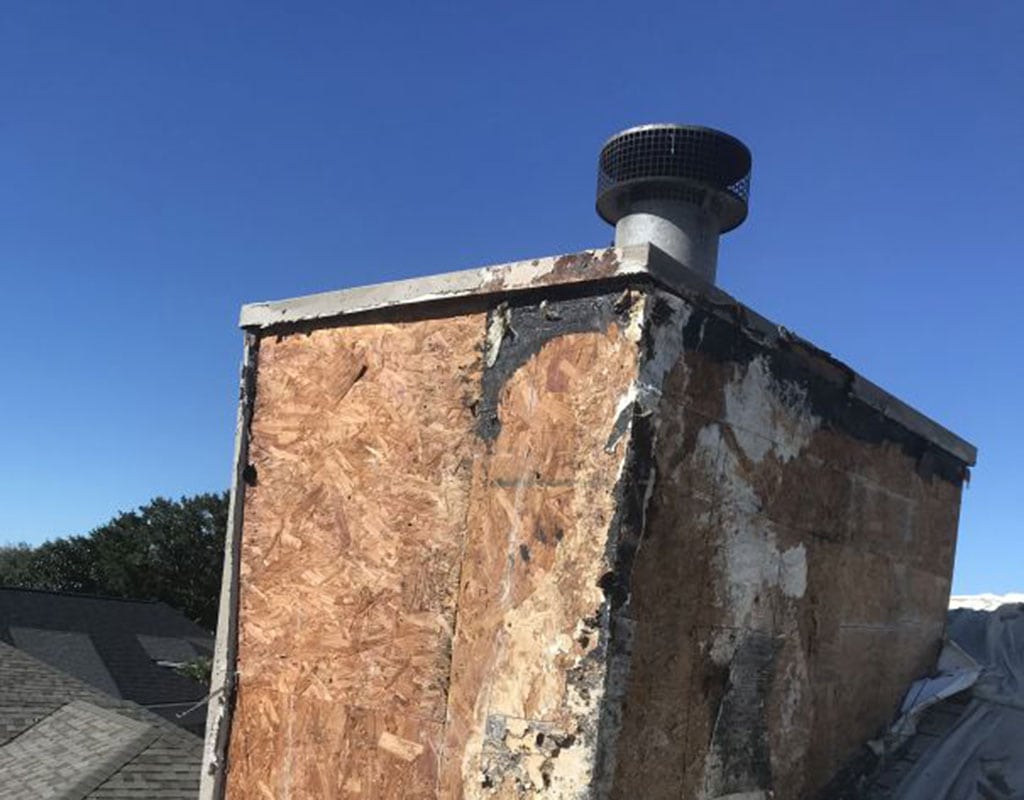
Wood surfaces demand even more attention in Florida’s climate. The humidity here loves wood. You’ll find rot hiding under trim pieces, behind shutters, and anywhere water sits for more than a few hours after rain. Paint won’t fix rotten wood—it’ll just hide the problem temporarily until the wood fails completely and you’re looking at structural repairs instead of cosmetic touch-ups.
Custom preparation means actually addressing these underlying issues before any paint touches the surface. That might involve replacing sections of fascia board, rebuilding trim that’s gone soft and spongy, or fixing the flashing that’s been letting water behind your siding in the first place. These aren’t strictly painting tasks, but they’re absolutely necessary for painting to work long-term.
The difference shows up clearly in longevity. Standard prep might get you three to five years before you’re seeing visible failure. Proper comprehensive prep can push that to eight or ten years, sometimes longer depending on exposure and maintenance. That’s not just about saving money on repaints—though that matters—it’s about protecting the structure underneath from progressive moisture damage that gets expensive fast.
Priming deserves specific mention because it’s where many contractors cut corners invisibly. The right primer seals the surface, blocks stains from bleeding through topcoats, and creates uniform adhesion across different substrates. Different surfaces need different primers. Bare wood needs something different than previously painted aluminum siding. Stucco needs something different than either of those.
Using the wrong primer, or skipping it entirely because “the paint is self-priming,” is how you end up with peeling within the first year despite paying for quality topcoat. Self-priming paints work in some specific situations, but Florida’s climate—with its moisture and UV exposure—isn’t usually one of them. The conditions here demand proper sealing and surface preparation before topcoats go on.
Aluminum Siding Painting Contractors: Specialty Surface Expertise
Aluminum siding presents specific challenges that standard painting approaches don’t adequately address. The surface oxidizes over time, creating a chalky coating that must be properly removed before new paint will adhere with any reliability. Skip that critical step and your paint might look fine initially, but it’ll start peeling within months as it loses its grip on the compromised, oxidized surface underneath.
We understand this fundamental difference when working with aluminum siding. We know that power washing alone won’t cut it—you need the right cleaning solution to break down the oxidation without damaging the metal substrate underneath. We know which primers actually work with aluminum and which ones fail despite manufacturer claims. And we know which topcoat formulations provide the flexibility aluminum siding needs as it expands and contracts with Florida’s dramatic temperature changes.
The prep work for aluminum differs significantly from other common surfaces. You’re dealing with a smooth, non-porous material that doesn’t give paint much to mechanically grip. That means the cleaning and priming stages become even more critical to success. Any contamination left on the surface—oils, oxidation residue, dirt—creates a barrier between the metal and your paint system that guarantees eventual failure.
Why Aluminum Siding Requires Different Painting Techniques
Aluminum siding became popular in the 1980s as a low-maintenance alternative to wood that wouldn’t rot or require constant repainting. The original factory finish was baked on at high temperatures, creating a durable coating that lasted decades under normal conditions. But that finish eventually breaks down from relentless UV exposure and weathering, leaving you with faded, chalky siding that needs professional attention.
Painting aluminum isn’t like painting wood or stucco, and treating it the same way leads to predictable failure. The metal expands and contracts significantly with temperature changes. In Central Florida, where your siding might reach 150 degrees in direct afternoon sun and cool to 70 degrees by morning, that movement is substantial and constant. Paint that can’t flex with that movement will crack and peel no matter how well it was applied initially.
That’s why aluminum-specific paint formulations matter more than brand names or price points. They contain resins that remain flexible even when fully cured. They’re engineered to bond with metal primers rather than absorbing into a porous surface. And they’re formulated to resist the chalking that happens when UV rays break down the binder that holds pigments in place.
The application technique differs too. Aluminum siding often has dents and surface imperfections that show through paint more readily than textured surfaces like stucco. That means you need proper surface prep to smooth out those imperfections where possible, or accept that they’ll be visible in the final finish. Trying to hide them with excessively thick paint coats just creates a heavy, unnatural-looking surface that’s actually more prone to cracking and failure.
Color choice matters more with aluminum than with many other exterior surfaces. Dark colors absorb heat dramatically, which can cause warping in extreme cases and definitely accelerates paint breakdown. We typically steer homeowners in Orange County toward lighter colors for aluminum siding. It’s not about limiting your aesthetic options—it’s about choosing colors that’ll actually perform well in this specific climate over time.
Vinyl and aluminum siding share some characteristics but aren’t identical in how they should be treated. Vinyl is less prone to oxidation but more prone to warping if you choose colors that are too dark for the climate. Both benefit from professional cleaning and specialized paint systems, but the specific products and techniques differ meaningfully. A contractor who treats them as interchangeable probably doesn’t have enough hands-on experience with either to deliver optimal results.
Integrating Wood Repair with Custom Painting Projects
Wood repair and exterior painting aren’t separate, unrelated projects—they’re interconnected parts of protecting your house from Florida’s climate. You can’t paint over rot and expect good results. But you also can’t repair wood and leave it unprotected from moisture without inviting the same problems back. The two services need to work together seamlessly, which is why finding a contractor who handles both competently matters.
Wood rot typically starts where water sits repeatedly or where paint has failed and left the wood exposed. Common trouble spots include the bottom of door frames, window sills, fascia boards behind clogged gutters, and trim pieces where caulk has cracked and allowed water penetration. By the time you see obvious visible damage, the problem has usually been developing for a while beneath the surface.
Assessing wood damage properly requires more than poking it with a screwdriver to see if it’s soft. You need to understand how water got there in the first place, whether the problem is ongoing or resolved, and what needs to happen to prevent recurrence. Sometimes that’s as simple as recaulking a joint properly. Other times it involves regrading soil, fixing flashing, or addressing drainage issues that are letting water pool against the house foundation.
Repair work ranges from simple patching to complete replacement depending on extent. Surface rot can sometimes be removed and filled with epoxy wood filler that’s actually stronger than the original wood once cured. Deeper damage usually means cutting out the affected section and splicing in new material that matches the original. And extensive rot often requires replacing entire boards or trim pieces to restore structural integrity.
The integration with painting happens in how the repair is finished and protected. New wood needs priming on all sides before installation if possible—back-priming prevents moisture absorption from behind that can cause problems later. Joints need proper sealing with quality caulk. And the surface prep for the repair area needs to blend seamlessly with the surrounding surface so you don’t see obvious patches in the final finish.
This is where having one contractor handle both services makes practical sense. We can plan the repair work with the painting in mind, ensuring that prep work flows smoothly from structural fixes to surface finishing without coordination gaps. Trying to coordinate separate contractors for wood repair and painting often results in finger-pointing when problems arise and inconsistent quality between the two phases of work.
Florida’s climate makes wood repair an ongoing consideration rather than a one-time fix. High humidity means wood is constantly absorbing and releasing moisture in response to weather changes. That movement stresses paint and caulk, creating pathways for water to penetrate over time. Regular maintenance—checking caulk joints annually, touching up paint before it fails completely, addressing minor issues before they become major—extends the life of both the wood and the paint protecting it significantly.
Choosing the Right Approach for Your Home Painting Project
Custom home painting isn’t about making things unnecessarily complicated or expensive. It’s about matching the scope of work to what your house actually needs for lasting results. If you have straightforward siding in good condition and just want a color change, standard services might work fine. But if you’re dealing with specialty surfaces like aluminum siding, structural issues like wood rot, or simply want work that holds up to Florida’s demanding climate, you need contractors who can handle more than basic application.
The key indicators of quality work are preparation thoroughness, climate-appropriate material selection, and willingness to address underlying problems rather than painting over them temporarily. You want someone who explains what they found during assessment, why it matters for longevity, and what they specifically recommend—not someone who gives you a price per square foot and moves on to the next job without discussion.
For Orange County homeowners looking for comprehensive painting services that include proper preparation, specialty surface expertise, and structural repair capabilities when needed, we bring that combination of skills to custom exterior projects throughout Central Florida.