You noticed a crack. Maybe there’s some discoloration near a window, or a neighbor mentioned their stucco repair turned into a much bigger project than expected. Now you’re wondering whether to call someone — and what that’s actually going to cost you.
It’s a fair question, and the answer isn’t as simple as a flat number. In Orange County, where the humidity rarely drops below uncomfortable and summer storms roll in like clockwork, stucco inspections carry a little more weight than they do in drier parts of the country. Here’s what you should know before you pick up the phone.
Stucco Inspection Cost in Orange County: What to Expect
Nationally, a stucco inspection runs somewhere between $500 and $1,500, with the average landing around $850. In Orange County, you’ll typically land in that same range — though the complexity of your home and the type of stucco you have can push the number in either direction.
What you’re paying for isn’t just someone walking around your house with a clipboard. A real inspection involves moisture probe testing, and in some cases thermal imaging or core sampling to find what’s hiding behind the surface. That takes time, equipment, and expertise — and in a market like Orange County, where aging EIFS systems and relentless moisture are both common, cutting corners on that process isn’t something a good inspector will do.
What Factors Drive the Cost of a Stucco Inspection in Orange County?
The size of your home is the starting point, but it’s not the only thing that matters. Inspectors typically assess each exterior elevation separately — a single-story home with one main wall exposure costs less to inspect than a two- or three-story home with multiple elevations, each requiring its own moisture testing.
Homes with a lot of windows add to the time and cost as well, since windows are one of the most common entry points for moisture in Florida stucco systems. Some inspectors charge an additional $50 to $150 per window cluster when moisture testing is involved.
Architectural complexity plays a role too. Decorative banding, arched features, columns, and irregular surfaces all require more careful attention and more time. If your home has these, expect the inspection cost to reflect that.
Then there’s the type of stucco. Traditional three-coat stucco and EIFS — the synthetic stucco system that was widely installed on Central Florida homes in the 1990s — are not inspected the same way. EIFS requires more invasive testing because moisture can get trapped behind the system without showing any visible signs on the surface. Many of the homes in planned communities across Orange County, from Hunters Creek to Windermere to Dr. Phillips, were built during that EIFS era. If your home is from that period and you’ve never had the system evaluated, a visual check alone won’t tell you what you need to know.
Finally, the tools the inspector uses matter. A basic visual inspection is the cheapest option, but it’s also the least informative. Moisture probe testing adds cost and value. Thermal imaging — which can detect hidden moisture without any invasive probing — is the most thorough option and reflects that in the price. The right level of inspection depends on your home’s age, history, and what you’re trying to find out.
Is a Stucco Inspection Worth the Cost in Orange County’s Climate?
This is the question most homeowners are really asking when they look up inspection costs. And the honest answer is that in Central Florida specifically, the math is hard to argue with.
Water damage remediation behind failed stucco costs $30 to $50 per square foot. If moisture intrusion has been working its way into the framing and substrate of a 2,000 square foot home, you’re not looking at a repair bill — you’re looking at a structural remediation project. That’s a very different conversation than the cost of an inspection that catches the problem early.
What makes this particularly relevant in Orange County is the climate. The region averages 74% humidity. It gets more than 50 inches of rain per year — more than Seattle, for context. Afternoon thunderstorms during the June through September rainy season drive water against stucco walls with real force, testing every seal, every caulk joint, and every inch of flashing. Stucco is porous by nature. Without proper seals and periodic inspection, moisture finds its way in. The question isn’t whether it will happen — it’s whether you find out before or after it causes serious damage.
There’s also the pre-sale angle worth mentioning. Orange County’s real estate market moves fast, and a failed stucco inspection during a buyer’s due diligence period can derail a closing or force a last-minute price reduction. Homeowners who commission their own inspection before listing have time to repair, disclose, or price accordingly. That’s a much better position to be in than finding out the day a buyer’s inspector shows up.
One more thing worth saying plainly: a contractor’s free estimate is not the same as a professional inspection. A free estimate is a surface-level visual assessment — the contractor looks at what’s visible and prices what they can see. A professional inspection uses diagnostic tools to find what’s hidden. Both have their place, but they answer different questions.
What a Stucco Inspection Should Actually Include
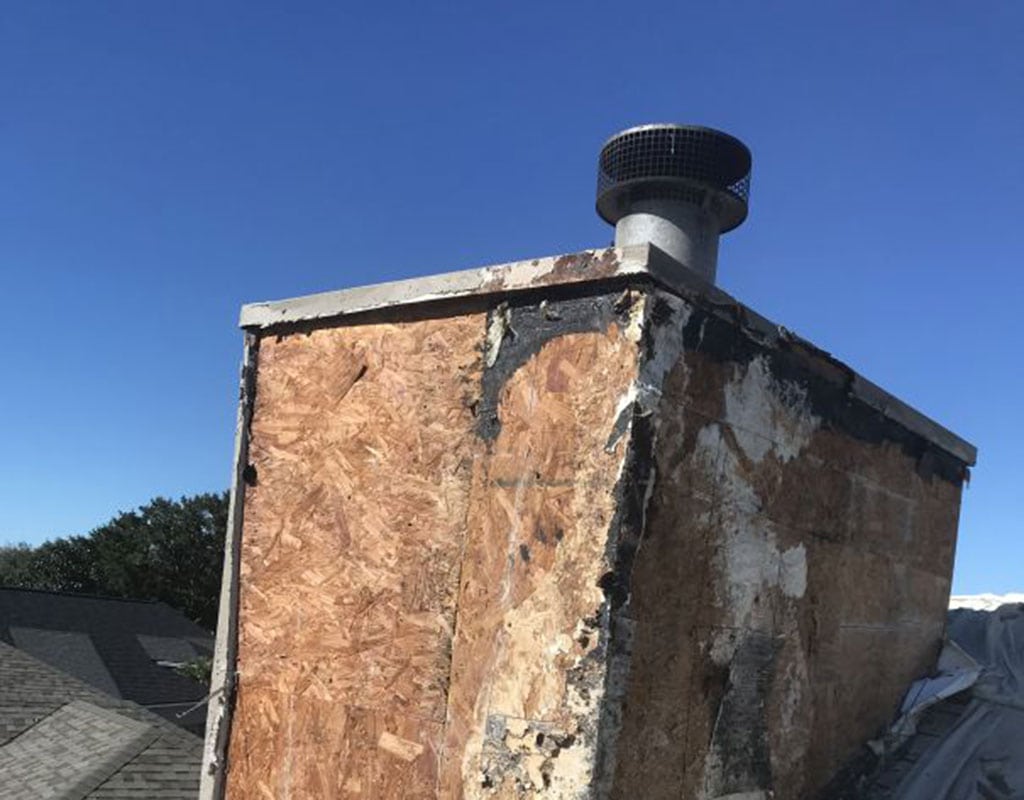
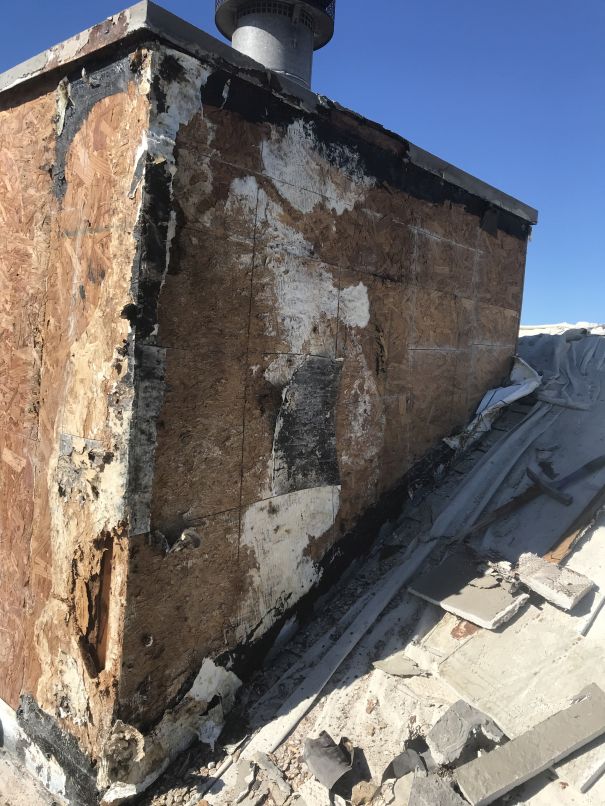
A proper stucco inspection moves through three levels of assessment. It starts with a thorough visual scan — looking for cracks, discoloration, mold, staining, improper flashing, and anything that suggests moisture has already made it past the surface.
From there, a qualified inspector uses moisture probes to test behind the stucco at key locations, particularly around windows, doors, and any areas of visual concern. If the results warrant it, core sampling — extracting small sections to examine the substrate and framing directly — gives the clearest picture of what’s actually happening inside the wall system.
After the inspection, you should receive a written report within 24 hours that includes moisture mapping, a risk summary, and specific remediation recommendations. If you’re getting a verbal summary and a handshake, that’s not a complete inspection.
Why EIFS Homes in Orange County Require a Different Kind of Inspection
EIFS — Exterior Insulation and Finish Systems, sometimes called synthetic stucco — was installed on a significant number of Orange County homes during the 1990s building boom. At the time, it was marketed as an energy-efficient, low-maintenance alternative to traditional stucco. The problem is that many of these systems were installed without adequate drainage planes, meaning there was no designed path for moisture to escape if it got behind the finish layer. In a climate like Central Florida’s, that’s a serious design flaw.
These systems are now 25 to 35 years old. Many are entering a period of common failure — moisture intrusion, finish-coat delamination, and in worse cases, wood rot in the framing behind the wall. The damage often develops silently, with no visible cracking or staining on the exterior surface until it’s already extensive.
A standard home inspection will not catch this. General home inspectors are not trained or equipped to evaluate EIFS moisture performance. An EIFS inspection requires a contractor or inspector with specific knowledge of how these systems were built, how they fail, and what the findings mean in terms of repair scope. It typically involves moisture probe testing at multiple locations around the perimeter of the home, with particular attention to window and door penetrations where moisture entry is most common.
We’ve been working with EIFS systems in Central Florida for over 20 years. We’ve seen the full range of outcomes — from systems that are holding up well with minor maintenance needs to systems that have been quietly failing for a decade. Our background in foundation repair means we approach these assessments structurally, not just cosmetically. We’re looking for why the problem happened, not just what it looks like on the surface. That’s a meaningful difference when the findings are going to drive a repair scope that could range from a targeted patch to a full remediation.
If your home was built in the 1990s and you’ve never had the stucco system formally evaluated, that’s the single most useful thing this page can tell you: get it looked at by someone who knows what EIFS failure actually looks like.
How to Evaluate a Stucco Contractor in Orange County Before You Hire
The inspection is only as good as the person doing it. In Florida, stucco work requires a specialty Plastering and Stucco contractor license issued through the Florida Department of Business and Professional Regulation — separate from a general contractor license. A lot of homeowners don’t know that distinction exists, and some contractors count on that. Before you hire anyone to inspect or repair your stucco, verify their license through the Florida DBPR. It takes about two minutes and tells you a lot.
Beyond licensing, ask whether they carry general liability insurance and workers’ compensation. If a worker is injured on your property and the contractor isn’t properly insured, the liability can fall on you as the homeowner. This isn’t a theoretical risk — it’s a documented reason why Orange County homeowners should verify coverage before any work begins.
When you’re comparing quotes, look at what’s actually included. A lower quote for a visual-only inspection isn’t necessarily a better deal if moisture probe testing is what your home actually needs. Ask what tools they’ll use, what the report will include, and how long it will take to receive the findings in writing. A contractor who can’t answer those questions clearly probably isn’t running a thorough inspection process.
We provide written estimates after assessment, with a clear scope and no hidden fees. We’re fully licensed and insured across all six counties we serve, including Orange County, and we coordinate with engineers when structural concerns come up — something a paint-and-patch operation simply can’t offer. We also offer discounts for military members, first responders, and seniors, because those communities matter to us. When you reach out, you’ll hear back within 24 to 48 hours with a real response, not an automated runaround.
Our customers mention things like arriving on time, finishing ahead of schedule, and — this one stands out — actually replacing rusted metal instead of just resealing over it. That last one says something about how we approach the work. The visible problem is rarely the whole story. Finding out what’s underneath it is the job.
Getting a Stucco Inspection in Orange County: What to Do Next
If there’s one thing to take away from this, it’s that stucco inspections in Orange County aren’t a precaution — they’re maintenance. In a market with 74% average humidity, 50-plus inches of annual rainfall, and a large housing stock of aging EIFS systems, waiting until something is visibly wrong often means the hidden damage is already significant.
The cost of an inspection — typically $500 to $1,500 depending on your home’s complexity — is a fraction of what water damage remediation costs once moisture has worked its way into the framing. Knowing what you have, and catching problems early, is almost always the less expensive path.
If you’re in Orange County and you want a straight answer about what your stucco is doing, CF Stucco and Painting is the team to call. We’ll tell you what we find, explain what it means, and give you a clear picture of what — if anything — needs to happen next.