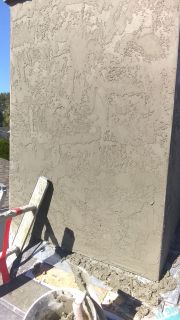
You’re heading into Q4, finalizing next year’s maintenance budget, and someone on the board asks about the stucco on the east elevation. There are a few cracks. Maybe some staining near a window. Nobody knows when it was last inspected.
This is where most commercial property managers in Orange County, FL find themselves — not in a crisis yet, but close enough that it’s worth getting real answers before the new fiscal year starts. This guide covers what a commercial stucco inspection actually costs, what you’re paying for, and what happens when the inspection turns up something that needs to be fixed.
What Does a Commercial Stucco Inspection Cost in Orange County?
The honest answer is: it depends on the building. Commercial stucco inspections in Orange County, FL typically run between $500 and $3,500, and every commercial property requires a custom estimate. Unlike residential inspections, which can be priced by square footage with some predictability, commercial buildings vary too much — in size, height, number of stucco elevations, accessibility, and system type — to quote from a rate sheet.
What you’re paying for is a thorough assessment of the building envelope: a visual inspection, thermal imaging to detect moisture behind the surface, and invasive testing where small holes are drilled into the stucco to measure substrate moisture directly. Those holes are sealed with color-matching sealant after testing. The whole process typically takes two to four hours for a standard building, though larger or more complex properties may take longer.
Stucco Repair Estimate: What Comes After the Inspection
The inspection itself is only the beginning. What most commercial property managers actually need is what comes after it — a documented repair estimate they can take to a board meeting, submit to a reserve fund committee, or use to justify a maintenance line item in next year’s budget. Without an inspection report in hand, you can’t get an accurate repair estimate. Without an estimate, you can’t get budget approval.
A stucco repair estimate after a commercial inspection will typically break down the scope by severity. Localized damage — isolated cracks, minor surface deterioration, small areas of water staining — generally falls in the range of $8 to $50 per square foot for standard repair work. When moisture has penetrated deeper and caused damage to the substrate or underlying structure, costs can climb to $60 to $120 per square foot or more.
The difference between those two numbers is usually determined by how long the moisture has been there — which is exactly what the inspection is designed to find out. For commercial property managers in Orange County, FL, the year-end timing matters for a specific reason. Florida’s dry season runs from November through April, and that’s the optimal window for stucco repair and remediation work. Lower humidity and reduced rainfall allow materials to cure properly.
If you schedule an inspection in Q4 and get your repair estimate before year-end, you’re positioned to get the work done in the early dry season — before contractor schedules fill up and before another summer storm season can compound whatever’s already there. One thing worth knowing: stucco repairs are almost never covered by commercial property insurance. The full cost falls to the property owner or HOA reserve fund. That makes accurate, early estimates even more important — you need the real numbers to plan around, not a rough guess from someone who hasn’t looked at the building.
EIFS Systems on 1990s Orange County Commercial Buildings: Why These Inspections Are Different
A large portion of Orange County, FL’s commercial building stock — office parks along the SR-408 corridor, retail centers near I-4, multifamily complexes throughout the county — was built in the 1990s and early 2000s using EIFS, or Exterior Insulation and Finish Systems. These synthetic stucco systems are now 25 to 35 years old. Many have never been professionally inspected. Some have had cosmetic repairs over the years without anyone checking what’s happening behind the surface.
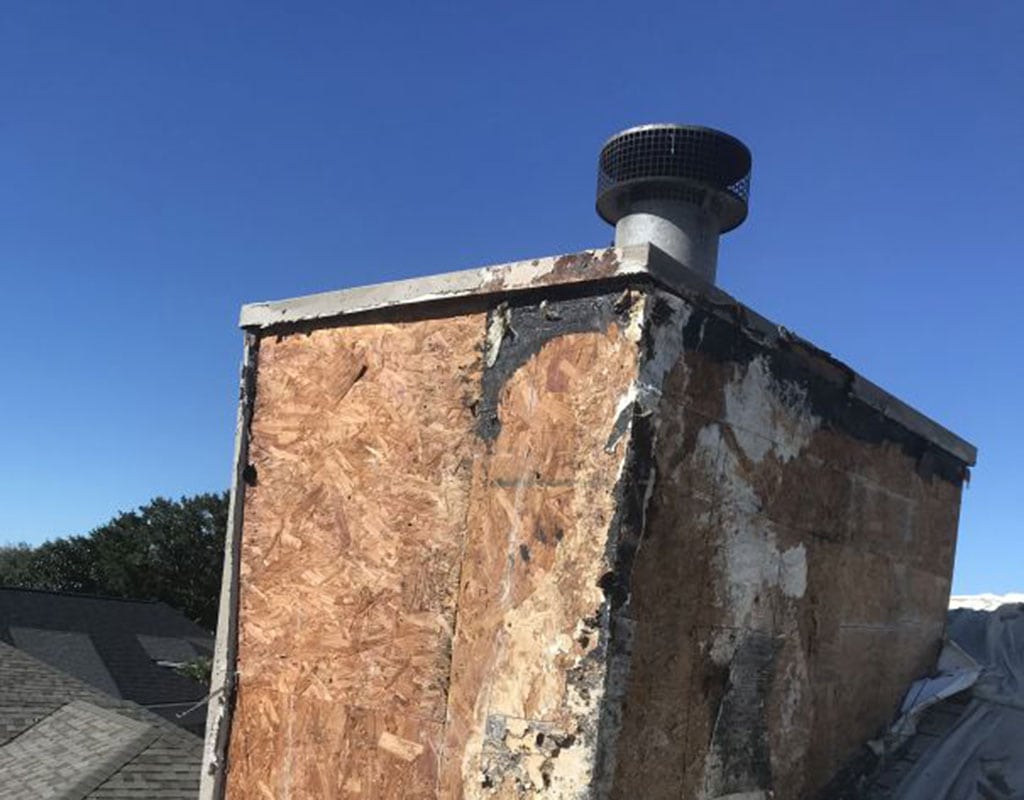
EIFS is fundamentally different from traditional three-coat stucco, and inspecting it requires a different approach. The specific risk with older EIFS barrier systems is moisture entrapment. When flashing fails or sealants deteriorate around windows, doors, and penetrations, water gets in — and the system traps it. Mold, wood rot, and structural deterioration can develop over years with no visible exterior symptoms.
You can have a building that looks fine from the parking lot and has significant damage behind the finish coat. This is why an invasive inspection matters for EIFS properties specifically. A visual inspection alone won’t catch what’s happening inside the wall assembly. Thermal imaging helps, but moisture meters and direct substrate testing are what actually confirm the extent of damage.
For a 1990s commercial building in Orange County, FL that hasn’t been inspected in a decade or more, this isn’t precautionary — it’s overdue. The inspection report should document the inspection date and weather conditions, the inspector’s credentials, specific findings at each elevation, and actionable repair recommendations. That report is what gives you the information you need to make decisions — and what gives your board or ownership group the documentation they need to approve those decisions.
Commercial Stucco Repair vs. Stucco Remediation: Knowing the Difference Matters
These two terms get used interchangeably, but they describe very different scopes of work — and very different costs. Understanding the distinction before you go into a budget meeting will save you from either under-planning or overreacting.
Stucco repair addresses localized damage. A section of cracked stucco, a failed sealant joint, a small area of moisture intrusion that hasn’t spread far — these are repair scenarios. The work is targeted, the cost is manageable, and the timeline is relatively short.
Stucco remediation, on the other hand, means the system has failed in a more systemic way. It involves partial or full removal of the existing stucco or EIFS system and replacement with a properly installed, properly flashed, properly detailed new system.
When Does Commercial Stucco Repair Become Full Remediation?
The line between repair and remediation is usually drawn by the inspection findings. If moisture has been present behind the stucco for an extended period and has caused widespread damage to the substrate — sheathing, framing, or structural components — patching the surface doesn’t solve the problem. You’d be sealing moisture in rather than out, and the damage would continue underneath.
For commercial properties in Orange County, FL, the combination of 74% average humidity year-round and aging EIFS systems creates the conditions where repair can tip into remediation faster than property owners expect. Central Florida’s afternoon thunderstorms and intense UV exposure accelerate the failure of sealants and finish coats. When those fail on a 30-year-old EIFS system, moisture intrusion isn’t a possibility — it’s a near certainty.
The practical implication for your budget planning is this: a commercial stucco inspection that comes back clean, or with minor findings, gives you a repair estimate in the manageable range. An inspection that reveals systemic moisture damage will produce a remediation scope that’s significantly larger. Either way, you need the inspection to know which situation you’re actually in.
Going into a new fiscal year without that information means you’re either over-reserving for something that doesn’t need it, or under-reserving for something that does. The inspection report is also the document that justifies the budget request. A board or ownership group that’s being asked to approve a significant remediation expenditure needs documented findings — dates, measurements, photographs, and professional recommendations — not a verbal summary from someone who took a look at the building.
How to Evaluate a Commercial Stucco Inspection in Orange County, FL
Not all stucco inspections are equal, and for commercial properties, the quality of the inspection directly determines the quality of the repair scope that follows. There are a few things worth evaluating before you hire anyone.
First, experience with commercial properties specifically. Residential stucco and commercial stucco are not the same. Commercial buildings have more complex wall assemblies, more penetrations, more elevation variety, and often different system types than a single-family home. The inspector or contractor you hire should have demonstrable experience with commercial EIFS and traditional stucco systems — not just residential repair work.
Second, the ability to handle structural findings. Most stucco contractors can identify surface damage. Fewer have the background to assess what’s happening structurally when stucco problems are connected to something deeper. Our owner spent 20 years in foundation repair working closely with structural engineers before founding CF Stucco and Painting. That background means we approach every commercial inspection as a building envelope assessment, not just a surface check — and when structural issues come up, we have the engineer relationships to address them properly.
Third, a written report with actionable findings. An inspection that ends with a verbal summary and a handshake isn’t useful for budget planning or board approval. You need a documented report that specifies what was found, where it was found, and what the recommended course of action is. That report is what makes your repair or remediation request defensible.
Finally, local experience matters in Orange County, FL specifically. The material choices and installation methods that work in other climates don’t always hold up here. At 74% average humidity with 50-plus inches of annual rainfall and intense year-round UV, the stucco systems on Orange County commercial properties are under conditions that require someone who understands this environment — not a contractor applying generic methods that were designed for somewhere else.
Getting a Commercial Stucco Inspection Before Year-End in Orange County, FL
If you’re managing a commercial property or overseeing an HOA in Orange County, FL, the window between the end of hurricane season and the start of the new fiscal year is the most practical time to get a stucco inspection done. You’ll have documentation for your budget request, a repair scope ready to execute during the dry season, and one less unknown heading into Q1.
Commercial stucco inspection costs in Orange County, FL range from $500 to $3,500 depending on the building. Every property requires a custom estimate. The cost of the inspection is a fraction of what deferred moisture damage costs when it finally becomes impossible to ignore.
We serve commercial and residential properties across Orange County, FL and five surrounding counties. We provide upfront estimates after inspection, work with engineers on structural findings, and specialize in the aging EIFS systems that make up a significant portion of Central Florida’s commercial building stock. If you’re ready to get a clear picture of where your property stands before year-end, reach out to CF Stucco and Painting — we respond to online quote requests within 24 to 48 hours.