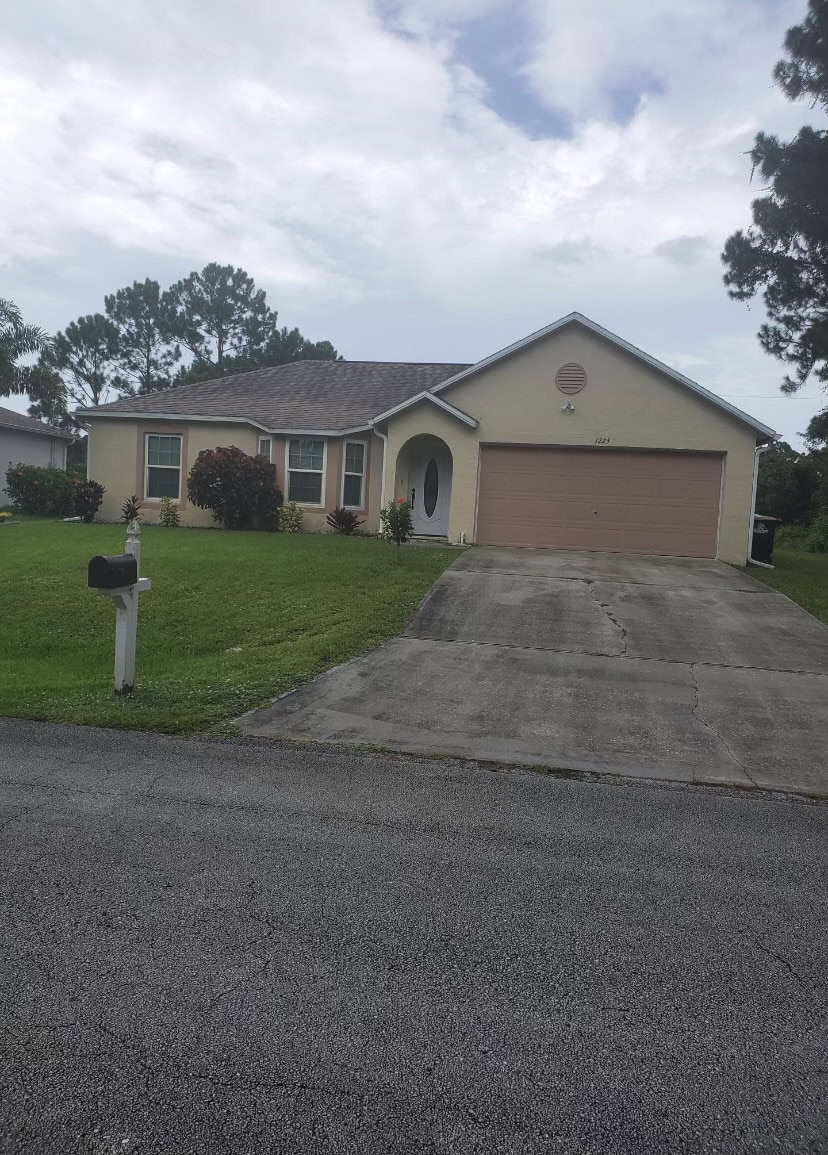
Your house looks tired. Paint’s fading on the south wall. There’s chalking when you run your finger across the siding. Small cracks are showing up near the windows. You know it’s time to repaint, but Florida isn’t kind to paint jobs. The sun beats down relentlessly. Humidity never quits. Afternoon storms roll through like clockwork. You need more than just fresh color—you need work that actually lasts. This guide breaks down what matters most for exterior painting in Central Florida, from understanding why the climate destroys cheap jobs to finding contractors who prep surfaces the right way.
Exterior Home Painting in Central Florida
Exterior home painting in Florida isn’t the same job it would be in Georgia or the Carolinas. The state’s climate creates conditions that break down paint faster than almost anywhere else. Intense UV radiation fades colors and weakens binders. High humidity slows drying and promotes mold. Salt air corrodes surfaces near the coast. Frequent rainstorms test every weak spot in your paint’s barrier.
Most people don’t realize how much Florida weather shortens paint life. A quality job might last 10-15 years in mild climates. In Orange County, FL, that same work needs attention every 5-7 years. Sometimes sooner if it wasn’t done right. That’s not a flaw in the paint—it’s reality when you’re dealing with year-round heat, moisture, and sun that never takes a break.
What Makes Exterior House Painting Different Here
Exterior house painting in Florida starts long before anyone picks up a brush. The difference between work that lasts five years and work that peels in two comes down to preparation. That means pressure washing to remove dirt, mildew, and loose paint. Scraping away anything not bonded tight to the surface. Caulking gaps around windows and doors where water sneaks in. Priming bare wood or damaged areas so topcoat has something to grip.
Skipping these steps is where cheap paint jobs fail. You’ll see contractors who spray right over dirty siding or apply paint when humidity’s still at 80 percent. They’re betting you won’t notice problems until they’re gone. But moisture trapped under paint turns into blisters. Dirt prevents adhesion. Paint applied in wrong conditions never cures properly, which means it breaks down faster when sun and rain start working on it.
The right approach takes longer and costs more upfront. But it’s the only way to get a finish that stands up to Florida’s daily beating. You want contractors who understand prep work matters more than the paint itself. Because once topcoat goes on, there’s no fixing what’s underneath. If the surface wasn’t ready, you’re covering up problems that will show themselves in a year or two.
Professional exterior house painting also means choosing the right products. Acrylic latex paints work best here because they’re flexible enough to expand and contract with temperature changes. Elastomeric coatings are even better for stucco—they fill hairline cracks and create waterproof barriers regular paint can’t match. Finishes matter too. Satin or semi-gloss holds up better in humid climates than flat paint, which absorbs moisture and shows dirt faster.
Why Professional Exterior Painters Make the Difference
Professional exterior painters bring more than brushes and sprayers. We bring knowledge about what actually works in Central Florida. We know not to schedule your job in July when afternoon thunderstorms roll in like clockwork. We understand painting in high humidity extends drying times and creates conditions where mildew can start growing before paint even cures. We’ve learned through experience which products hold up and which fail after the first summer.
The challenge is figuring out which contractors actually have this expertise. Anyone can call themselves a painter. Not everyone knows how to evaluate siding for moisture damage, repair wood rot under stucco, or apply primers that seal out humidity. You need someone who’s been doing this in Central Florida long enough to have seen what happens when corners get cut. Someone who’s fixed failed jobs and learned what not to do.
Good professional exterior painters also communicate. We show up when we say we will. We provide detailed estimates breaking down exactly what prep work is included, how many coats you’re getting, what products we’re using. We answer questions without making you feel like you’re bothering us. We keep job sites clean—protecting landscaping, covering windows, cleaning up at day’s end instead of leaving a mess.
You should expect transparency about timing too. A quality exterior paint job on an average home takes several days, not a weekend. That includes time for proper drying between coats, which matters even more in Florida’s humid climate. Contractors who promise to finish too quickly are skipping steps. Contractors who can’t give clear timelines probably don’t have solid processes. Professionals who do this right have systems in place, and we’re happy to walk you through exactly what’s going to happen and when.
Preparing House for Painting Exterior
Preparing a house for exterior painting takes more time than actual painting in most cases. This is where Florida-specific knowledge becomes critical. You’re not just cleaning the surface. You’re removing mold and mildew that thrive in humid, shaded areas. You’re identifying and repairing cracks in stucco that let water penetrate behind paint. You’re checking for wood rot around windows, doors, and trim—damage that happens when moisture gets past old, failing paint and breaks down material underneath.
Pressure washing is the first step, but it has to be done right. Too much pressure damages wood siding or blows water behind stucco. Too little leaves dirt and mildew that prevent new paint from bonding. Experienced contractors know how to adjust pressure based on what we’re cleaning and how to angle spray so water doesn’t get forced where it shouldn’t go.
The Real Preparation to Paint Exterior of House
Preparation to paint exterior of house includes fixing everything wrong before you cover it up. That means filling cracks with elastomeric patching compound on stucco homes. Replacing rotted wood trim or fascia boards soaking up water for years. Scraping loose or peeling paint down to sound surface, then feathering edges so you don’t see ridges when new paint goes on. Caulking every gap where two materials meet—places where water loves to work its way in.
Priming separates professional work from amateur jobs. Bare wood needs primer to seal surface and prevent tannins from bleeding through topcoat. Stucco patches need primer to ensure even absorption. Any areas with stains from water damage or rust need stain-blocking primer, or those marks will show through fresh paint within months. Florida’s intense sun and frequent rain make these problems show up faster than anywhere else.
Timing matters during prep too. You can’t pressure wash in morning and start painting that afternoon in Florida. Surface needs time to dry completely, which takes longer than you’d expect when humidity is high. Painting over damp surfaces traps moisture under coating, and that moisture will push paint right back off the wall as soon as temperatures rise and it tries to escape. This is one of the most common mistakes DIYers make, and why so many homeowner paint jobs start failing within a year or two.
We also inspect for underlying issues that cause problems later. We’re looking at soffits and fascia for water damage signs. We’re checking caulking around windows and doors. We’re identifying areas where gutters overflow and keep walls constantly damp. If these issues don’t get fixed, your new paint job just covers up problems that keep getting worse. We point out these concerns and give you options for addressing them before or during the painting process.
Finding the Best Exterior House Painters
The best exterior house painters distinguish themselves through preparation quality and product selection. We use paints specifically formulated for Florida’s climate—products with UV inhibitors that slow fading, mildew-resistant additives that fight mold growth, and flexible formulations that move with your home as temperatures swing from hot days to cooler nights. We apply these paints in multiple coats, giving each layer time to cure properly before adding the next one.
We also stand behind our work. Quality contractors offer warranties covering both labor and materials for several years. We’re confident enough in our process to guarantee results because we know we did everything right. That confidence comes from experience and from using proven techniques that hold up in Central Florida’s demanding conditions. When comparing contractors, ask about warranties. If someone won’t guarantee their work, that tells you something about how much faith they have in what they’re doing.
Licensing and insurance matter too. Florida requires painting contractors to be licensed for jobs over certain dollar amounts. That license means we’ve met state requirements for experience and knowledge. Insurance protects you if someone gets hurt on your property or if something gets damaged during the project. Contractors who operate without proper licensing and insurance are cutting corners before they even start your job. If something goes wrong, you’re the one paying for it.
We also understand every home is different. We’ll walk your property with you, point out specific challenges your house faces, and explain how we’ll address them. Maybe you have a south-facing wall getting full sun all day that needs extra UV protection. Maybe you’re close to the coast and need marine-grade paint to handle salt air. Maybe your stucco has hairline cracks needing elastomeric coating instead of regular paint. We take time to assess these details and customize our approach to deliver results that last.
Exterior House Painting Cost in Orange County, FL
Exterior house painting cost in Florida runs higher than national averages, and there are good reasons why. The climate demands premium paints with UV resistance, mold inhibitors, and moisture-blocking properties. Humidity requires more thorough surface preparation and longer drying times between coats. Risk of sudden storms means contractors have to be strategic about scheduling and sometimes need to protect partially completed work when weather moves in unexpectedly.
In Orange County, FL, you’re looking at roughly $2 to $5 per square foot for professional exterior painting, with most projects landing somewhere between $3,500 and $10,000 for an average-sized home. That price includes proper preparation—pressure washing, scraping, caulking, priming, and repairs. It includes quality paint applied in two coats. It includes labor from experienced crews who understand Florida-specific challenges. If a quote comes in significantly lower than this range, ask questions about what’s being left out.
Understanding Average Cost to Paint a House
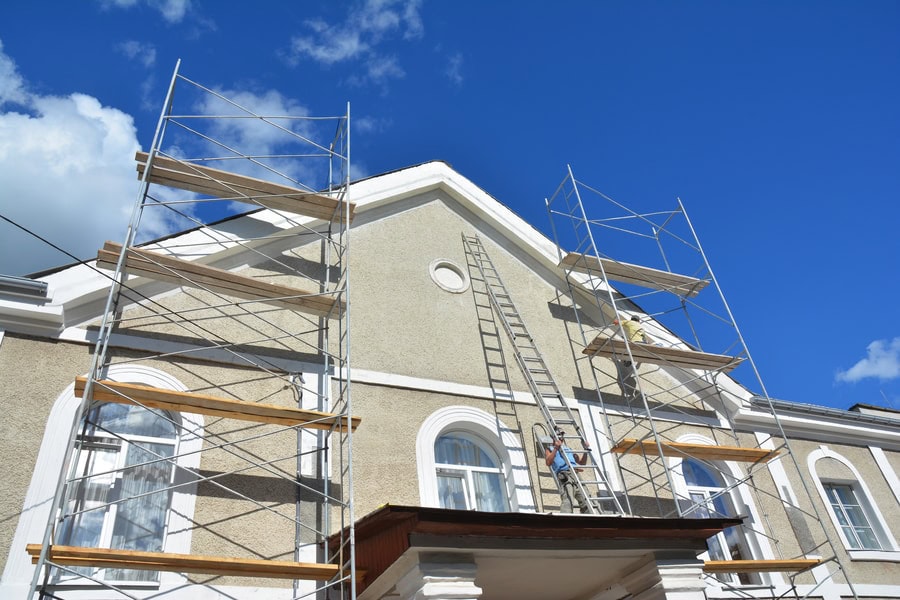
The average cost to paint a house depends on several factors beyond square footage. Home height adds expense because multi-story houses require scaffolding or lifts, which increases both equipment costs and labor time. Siding material matters too—stucco costs more to paint than vinyl because it requires different products and more detailed prep work. Condition of existing paint affects price as well. If current coating is in decent shape and just needs refreshing, preparation is simpler. If paint is peeling extensively, or if there’s wood rot needing repair, costs go up because more work is required before anyone can start applying new paint.
Location plays a role in Florida pricing. Homes near the coast face harsher conditions from salt air, which means they often need more frequent repainting and more durable products. That drives up both material costs and amount of prep work required to ensure new paint bonds properly to surfaces weathered by ocean air. Inland homes don’t deal with salt corrosion, but they still face Florida’s intense sun and humidity, so they need the same quality paints and preparation to get results that last.
Labor makes up the largest portion of painting costs. In Central Florida, experienced painters charge $25 to $125 per hour depending on work complexity and crew size. You’re not just paying for someone to apply paint. You’re paying for knowledge about which products work in this climate, skill in surface preparation, and ability to deliver smooth, even finish that holds up for years. Trying to save money by hiring the cheapest contractor usually backfires when paint starts failing in two or three years and you have to pay to do the whole job over again.
It’s also worth considering what you get for your money. The difference between a $4,000 paint job and a $7,000 paint job often comes down to preparation quality, paint grade, and number of coats. The cheaper option might look fine when first done, but Florida’s climate exposes every shortcut within a year or two. The more expensive option uses better materials, takes more time on prep work, and applies thicker coatings that protect your home longer. When you calculate cost per year over the life of the paint job, quality work is almost always cheaper in the long run.
House Painter Quotes: What to Look For
House painter quotes should give you detailed information about what’s included in the price. A good estimate breaks down labor, materials, surface preparation, number of coats, and any repair work needed before painting can start. It specifies which paint products will be used—brand, type, and finish. It includes a timeline telling you how long the project will take from start to finish. If you receive a quote that just lists a total price with no details, you’re being asked to trust someone without knowing what you’re actually getting.
When comparing quotes from different contractors, make sure you’re comparing the same scope of work. One contractor might be including extensive prep work and premium paint while another is planning minimal surface cleaning and builder-grade products. The second quote will be lower, but you’re not getting the same value. Ask each contractor to explain their process step by step. The ones who can clearly describe what they’re going to do and why are usually the ones who know what they’re doing.
Finding Affordable Exterior House Painters
Affordable exterior house painters don’t necessarily mean cheap exterior house painters. Affordable means you’re getting fair value for quality work. It means the contractor isn’t overcharging, but we’re also not cutting corners that will cost you more money down the road. Finding this balance requires understanding what quality work actually costs in your area and being willing to pay for it.
Contractors who offer the lowest prices are often the ones who skip preparation steps, use inferior paint, or apply only one coat instead of two. They can charge less because they’re doing less. But when their work starts failing in a couple years, you’ll end up paying for a complete repaint much sooner than you should have to. That makes the “affordable” option the most expensive choice in the long run.
True value comes from contractors who do thorough prep work, use quality materials designed for Florida’s climate, and apply paint properly with adequate drying time between coats. We charge fair prices reflecting the time and expertise required to do the job right. We’re not the cheapest option, but we’re not overpriced either. Our work lasts long enough that you’re not back on the phone looking for another painter in three years.
When evaluating quotes, think about cost per year rather than just upfront price. A $5,000 paint job lasting seven years costs about $700 per year. A $3,500 paint job failing in three years costs about $1,150 per year. The more expensive option is actually more affordable when you look at it this way. Plus, you avoid the hassle and disruption of having to repaint more frequently.
Choosing Exterior House Painting Contractors
Exterior house painting contractors in Central Florida need to understand more than just painting techniques. We need to know how humidity affects drying times and when it’s too damp to apply paint. We need to recognize the difference between normal stucco cracking and cracks indicating moisture problems behind the wall. We need to identify wood rot early, before it becomes a major structural issue. We need to select paints that will resist mildew, withstand UV exposure, and flex with temperature changes without cracking or peeling.
Finding contractors with this level of expertise requires doing some homework. Start by asking friends, neighbors, and family who they’ve used and whether they were happy with results. Check online reviews, but look for patterns rather than focusing on individual comments. Every contractor will have a few unhappy customers, but if you see repeated complaints about the same issues—poor communication, sloppy work, paint failing quickly—that tells you something important.
What Residential Exterior Painters Should Deliver
Residential exterior painters who specialize in Florida homes bring valuable experience to your project. We’ve learned which shortcuts lead to callbacks and which techniques deliver lasting results. We know that painting during summer rainy season means dealing with afternoon storms that can ruin fresh paint if you’re not prepared. We understand that certain times of year offer better conditions for exterior work—typically late fall through early spring when humidity is lower and rain is less frequent.
We also know how to protect your property during the painting process. We’ll cover plants and landscaping so paint overspray doesn’t damage them. We’ll mask windows and fixtures carefully. We’ll use drop cloths to protect decks, driveways, and walkways. We’ll clean up thoroughly at the end of each day, not just when the job is finished. This attention to detail extends beyond the painting itself and shows respect for your home and your time.
Communication is another hallmark of quality residential exterior painters. We return phone calls and emails promptly. We show up when we say we will. We let you know if weather is going to delay the schedule. We walk you through the work as it progresses and point out anything unexpected we’ve discovered. We don’t consider the job done until you’ve had a chance to inspect everything and confirm you’re satisfied with results.
You should also expect residential exterior painters to be properly licensed and insured. In Florida, contractors need specific licenses depending on scope and value of work they’re doing. Insurance protects both you and the workers if something goes wrong during the project. Contractors who operate without these protections are taking risks that could end up costing you significant money if there’s an accident or if their work causes damage to your property.
Aluminum Siding Painting Contractors
Aluminum siding painting contractors need specialized knowledge because metal surfaces require different preparation and paint products than wood or stucco. Aluminum oxidizes over time, creating a chalky surface that has to be thoroughly cleaned before paint will adhere properly. The metal also expands and contracts more dramatically with temperature changes than other materials, which means you need flexible paint that won’t crack as the siding moves.
The right paint for aluminum siding is 100 percent acrylic latex with a low-gloss or flat finish. But before that paint goes on, the surface needs a layer of oil-based or self-etching primer designed specifically for metal. This primer prevents bubbling and ensures topcoat bonds to the aluminum instead of peeling off in sheets the first time temperatures fluctuate. Contractors who don’t understand these requirements will give you a paint job that looks fine initially but starts failing within a year.
Apartment Painting Contractors for Multi-Unit Properties
Apartment painting contractors handle different challenges than residential painters working on single-family homes. Multi-unit properties require coordination with property managers and tenants. Work often needs to happen during specific hours to minimize disruption. Scale of the project means efficiency becomes critical—contractors need systems in place to move through units quickly while maintaining quality standards.
For property managers in Central Florida, finding reliable apartment painting contractors means looking for companies with experience handling commercial-scale residential projects. We understand how to work around occupied units, how to schedule work to minimize tenant complaints, and how to maintain consistent quality across dozens or hundreds of units. We also typically have larger crews and more equipment, which allows us to complete projects faster than smaller residential painting companies could manage.
Interior and Exterior Painters: One-Stop Solutions
Interior and exterior painters who handle both types of work offer convenience when you’re planning a complete home refresh. You can coordinate interior and exterior projects with the same contractor, which simplifies communication and often results in better pricing than hiring separate companies for each part of the job. But make sure the contractor you choose has genuine expertise in both areas, not just someone willing to take on interior work even though they primarily do exteriors.
The skills and products required for interior and exterior painting are different enough that not all painters excel at both. Exterior work demands knowledge about weather-resistant coatings, moisture barriers, and UV protection. Interior work requires understanding of how different paint finishes perform in various rooms, how to achieve smooth walls without visible brush marks, and how to work cleanly in occupied spaces. A contractor who truly does both well will be able to explain their approach to each type of project and show you examples of completed work in both categories.
Protecting Your Home with the Right Exterior Painting
Your home’s exterior paint is more than decoration. It’s protection against one of the country’s toughest climates. Between UV radiation that breaks down binders, humidity that promotes mold growth, and storms that test every weak spot, Central Florida demands more from paint than most places. Contractors who understand these challenges and know how to address them deliver work that lasts. The ones who don’t leave you with a paint job that looks good for a year and then starts falling apart.
Quality exterior painting starts with thorough preparation, uses products designed for Florida’s specific conditions, and gets applied by experienced crews who understand what we’re doing and why it matters. It costs more upfront than cheap alternatives, but it lasts longer and protects your home better, which makes it the more affordable choice when you calculate cost over time.
If you’re ready to protect your home with professional exterior painting designed for Central Florida’s climate, CF Stucco and Painting brings the expertise and attention to detail that makes the difference between work that lasts and work that fails.