Most homeowners don’t start thinking about stucco repair until something forces them to — a crack that keeps coming back, a water stain that showed up on an interior wall, or a home inspector flagging something before closing. At that point, you’re not just looking for someone who does stucco. You’re looking for someone you can actually trust with your home.
That’s a harder thing to find than it should be, especially in Orange County, where the contractor market is large, busy, and not always easy to navigate. This guide is here to help you cut through the noise.
What to Look for in Stucco Repair Companies in Orange County
The first thing most people do is search for local stucco companies and start comparing prices. That’s understandable, but price is one of the last things you should be comparing. What you’re actually trying to figure out — before anything else — is whether a contractor is legitimate, experienced, and honest enough to tell you what’s really going on with your stucco.
In Florida, stucco contractors are required to be licensed through the state’s Department of Business and Professional Regulation (DBPR). That license is verifiable. Any contractor who hesitates when you ask for their license number, or gives you a vague answer about being “registered,” is a red flag worth taking seriously.
Beyond licensing, they should carry general liability insurance and workers’ compensation — not because accidents are likely, but because if something goes wrong on your property, you don’t want to be holding the bill.
What Should Stucco House Repair Contractors Actually Do Before Quoting You?
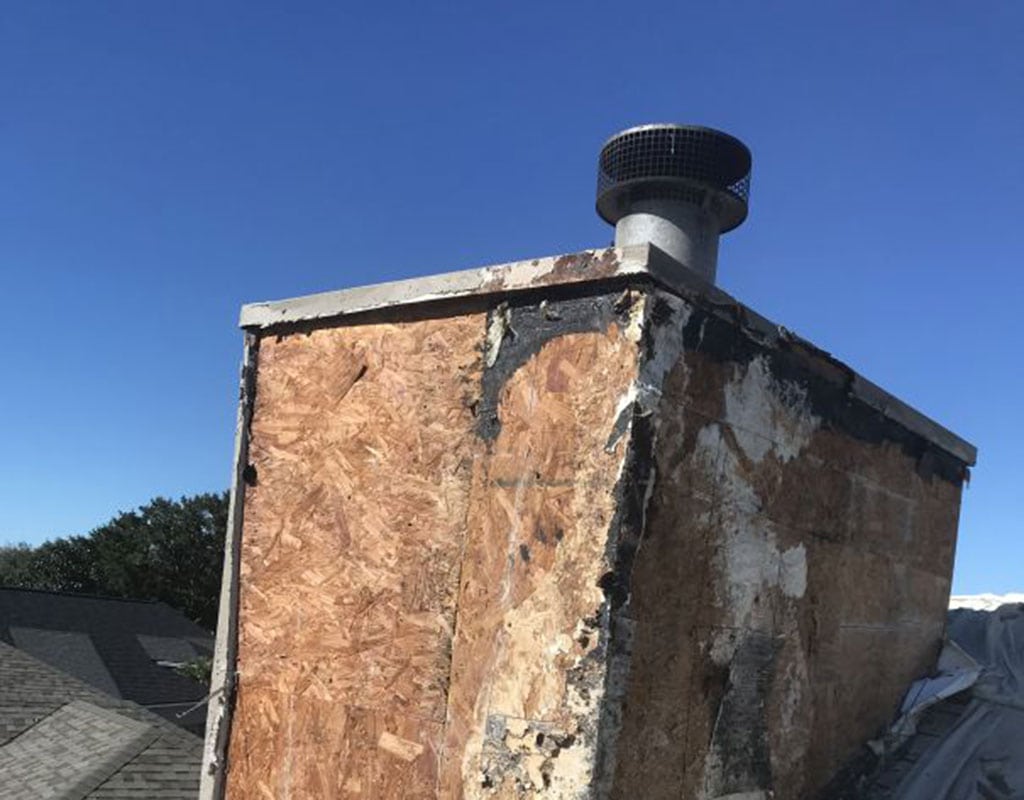
A contractor who quotes you a price before looking closely at your stucco — really looking — isn’t doing you any favors. A number pulled from a photo or a quick glance at the crack tells you very little about what the repair actually involves. The honest answer is that stucco damage in Central Florida is rarely just what’s visible on the surface.
Here’s why that matters in Orange County specifically. The county averages around 74% relative humidity throughout the year and receives roughly 50 inches of rain annually, most of it concentrated in the June through September wet season. During those months, daily afternoon thunderstorms are a near-constant reality.
A crack that looked cosmetic in February can become an active water intrusion point by July. Once moisture is behind the stucco layer, it starts working on the wood substrate underneath — quietly, invisibly, and expensively.
A contractor worth hiring will inspect the stucco before quoting you. They’ll look at the crack pattern, assess whether it’s surface-level or structural, and check for signs that moisture has already found its way in. Diagonal cracks at window and door corners, stair-step cracks following mortar lines, or cracks that have been patched before and returned — these are not the same problem as a hairline crack from normal thermal movement, and they shouldn’t be treated the same way.
They should also be able to identify what type of stucco system you have. Traditional three-coat hardcoat stucco and EIFS — often called synthetic stucco — require completely different repair approaches. Applying the wrong method to the wrong system is one of the most common reasons stucco repairs fail within a year or two.
If a contractor can’t tell you which system you have before they start talking about solutions, that’s worth noting.
What you should walk away from that inspection with is a written, itemized estimate. Not a ballpark. Not a range texted to you after the contractor drives away. A written document that spells out the scope of work, the materials being used, the labor involved, and the timeline. That’s what a professional stucco contractor provides. It protects you, and it signals that the contractor stands behind what they’re proposing.
Stucco Inspection Cost: What to Expect Before the Work Begins
One question that comes up often is whether a stucco inspection costs anything before the repair work begins. The honest answer is that it depends on the contractor and the complexity of what they’re looking at. A basic visual inspection from a reputable local contractor is often included as part of the estimate process. A more involved moisture inspection — the kind that uses probes or meters to detect water behind the stucco layer — may carry a separate fee, and that’s reasonable given what it involves.
What that inspection is actually looking for matters more than what it costs. In Orange County, a significant portion of the housing stock built during the 1990s building boom used EIFS systems — the synthetic stucco that was popular during that era. Those systems are now 25 to 35 years old, and many of them are showing moisture failure patterns that weren’t visible five or ten years ago.
Water gets in through small gaps around windows, at roof-to-wall transitions, or through cracks in the finish coat. Once it’s in, it can sit behind the stucco for months before any interior sign appears.
If your home was built in the 1990s — in communities across Ocoee, Apopka, Windermere, or anywhere along the I-4 corridor in Orange County — and you haven’t had your stucco professionally assessed, it’s worth doing. Not because something is definitely wrong, but because catching moisture intrusion early is the difference between a straightforward repair and a remediation project that involves pulling off large sections of stucco, replacing rotted framing, and starting over.
The repair cost range in Orange County runs from $250 for a simple patch to well over $10,000 when moisture has been working behind the walls for an extended period. That gap exists for a reason.
A thorough inspection also matters for homeowners preparing to sell. Orange County’s real estate market moves quickly, and stucco issues flagged during a buyer’s home inspection can derail a deal or force a last-minute price negotiation. Getting ahead of that with a professional assessment — and a documented repair if needed — puts you in a much stronger position.
How to Vet Stucco Repair Companies Before You Commit
Once you’ve found a few candidates, the vetting process is where most homeowners either protect themselves or set themselves up for a bad experience. The good news is that the questions worth asking aren’t complicated. A contractor who’s doing things right will have straightforward answers to all of them.
Start with the basics: Can they provide their Florida DBPR license number? Can they show proof of general liability and workers’ compensation insurance? Do they offer a written estimate before any work begins, and do they explain what they found during their inspection?
These aren’t unreasonable things to ask. Any contractor who treats them as an inconvenience is telling you something important.
Red Flags That Tell You to Keep Looking
There are a few patterns that show up repeatedly in bad stucco repair experiences, and they’re worth knowing before you start making calls. The most common one is a contractor who offers to patch the surface without looking at what’s behind it. Surface patching without diagnosis is almost always a short-term fix. The crack comes back, often wider, because the underlying cause — moisture, substrate failure, or structural movement — was never addressed.
Another one is full payment upfront. Reputable contractors typically ask for a deposit to schedule the work and collect the remainder upon completion. A contractor who wants the full amount before a single bag of material is mixed is not following standard professional practice, and that’s worth taking seriously.
Watch for vague answers about texture and color matching, too. In Orange County’s HOA-dense neighborhoods — communities in Windermere, Hunter’s Creek, Dr. Phillips, and similar areas — exterior appearance standards are strict. A visible patch line is not a cosmetic inconvenience; it can trigger an HOA compliance notice.
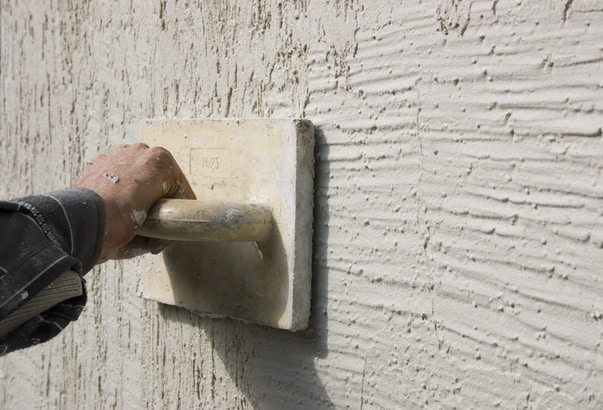
A contractor who brushes off your question about matching your existing finish either hasn’t done enough of this work to know it’s a skill, or doesn’t plan to spend the time it takes to get it right.
Finally, pay attention to how quickly they respond to your initial inquiry. Response time is a reasonable proxy for how a contractor will communicate during the project itself. A contractor who takes a week to call you back after your first message is probably not going to be easier to reach once your deposit is cashed.
Why the Contractor’s Background Matters More Than Their Pitch
Anyone can put “stucco specialist” on a truck and a website. What actually separates contractors in this market is the depth of knowledge behind what they do — and whether that knowledge translates into better outcomes for the homeowner.
Stucco problems in Central Florida frequently have roots that go deeper than the finish coat. Sandy soils like the Myakka fine sand prevalent across Orange County allow for subtle foundation movement that shows up as stucco cracking, particularly in older homes. A contractor who understands structural behavior — not just surface application — is going to catch things that a less experienced operator will miss. That’s not a minor difference. It’s the difference between a repair that holds and one that opens back up within a season.
EIFS systems add another layer of complexity. These synthetic stucco systems behave differently from traditional hardcoat stucco in almost every way — how they flex, how they breathe, how moisture moves through and around them, and how they fail. Repairing EIFS with hardcoat methods, or vice versa, produces repairs that look fine for a few months and then start to delaminate or crack along the edges of the patch.
A contractor who can correctly identify your stucco system and explain the repair method appropriate to it is demonstrating knowledge that matters.
It’s also worth asking what happens if they find something worse than expected behind the stucco. Wood rot is a common discovery when stucco is removed for repair in Florida’s climate. A contractor who handles that in-house — rather than stopping work and telling you to find someone else — keeps your project moving and keeps the scope clearly defined. That kind of full-service approach isn’t universal, and it’s worth asking about before you sign anything.
Orange County homeowners also benefit from working with a contractor who understands how Florida’s building code and permitting requirements apply to stucco work. Stucco work exceeding 25 square feet typically requires a permit in Florida. Unpermitted work can create real complications at resale and may affect your homeowners insurance coverage. A contractor who is upfront about permit requirements — and handles that coordination — is operating at a professional level that protects you.
Choosing a Stucco Repair Company in Orange County You Won’t Regret
The right stucco repair company isn’t necessarily the one with the flashiest truck or the lowest bid. It’s the one that looks at your stucco carefully before quoting you, tells you honestly what they find, gives you a written estimate that spells out exactly what you’re paying for, and has the credentials and experience to back it all up.
In Orange County’s climate, with its humidity, its aging housing stock, and its HOA standards, those things aren’t extras. They’re the baseline for a repair that actually holds.
If you’re ready to have someone take an honest look at what’s going on with your stucco, we at CF Stucco and Painting work with homeowners and commercial property owners across Orange County and the surrounding area. Reach out and we’ll take it from there.