You need your property painted. Simple enough, right? Except when you start looking for painters in Orange County, FL, you realize some specialize in homes while others focus on commercial buildings or apartment complexes. And the differences aren’t just about who they paint for—they’re about how they work, what they know, and whether they’re actually equipped to handle your specific project. Residential painting companies approach a single-family home completely differently than apartment painting contractors tackle a 50-unit complex. The equipment differs. The scheduling differs. Even the paint formulations differ. If you hire the wrong type of painter, you risk delays, poor results, or paying for capabilities you don’t need. This guide breaks down what actually separates residential painting companies from commercial contractors, how apartment painting contractors handle multi-unit properties, and what residential exterior painters bring to the table when Florida’s climate is beating down on your walls.
What Makes Residential Painting Companies Different from Commercial Contractors
Residential painting companies focus on homes. Single-family houses, townhomes, condos—spaces where people live. Commercial contractors, on the other hand, handle office buildings, retail spaces, warehouses, and large multi-family complexes. The distinction matters because each type of project demands different skills, equipment, and approaches.
A residential painter typically works with smaller crews, uses standard equipment you’d find at a home improvement store, and schedules around your family’s daily routine. They’re used to protecting your furniture, working in occupied homes, and offering color consultations that match your personal style. Commercial contractors bring larger teams, industrial-grade equipment like scaffolding and paint sprayers, and often work after business hours to avoid disrupting operations.
The paint itself differs too. Residential projects use latex, water-based, or oil-based paints with a wide range of colors and finishes—flat, satin, semi-gloss—chosen for aesthetic appeal and livability. Commercial projects lean toward heavy-duty, code-compliant paints built for durability in high-traffic areas, not necessarily for looking cozy.
How Residential Painting Companies Handle Your Home in Orange County, FL
When you hire residential painting companies in Orange County, FL, you’re getting contractors who understand what it’s like to work inside someone’s home. They know you’re not leaving for a month while they paint. Your kids are doing homework in the next room. Your dog needs to go outside. Your schedule matters.
Good residential painters protect your floors, furniture, and belongings before they start. They use drop cloths, painter’s tape, and careful masking to make sure paint only goes where it’s supposed to. At the end of each day, they clean up so you’re not living in a construction zone. This isn’t just courtesy—it’s how residential painters keep clients happy and get referrals.
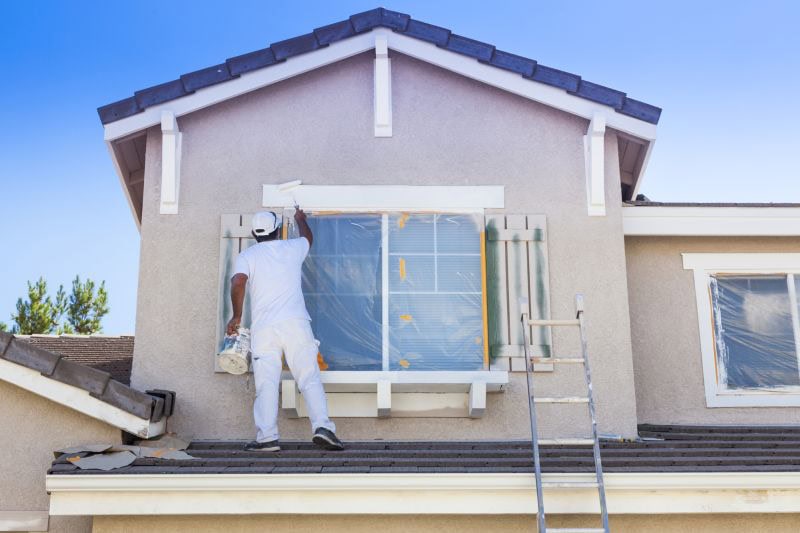
In Central Florida, residential painters also need to understand the climate. The intense UV exposure, high humidity, and frequent afternoon storms mean exterior paint takes a beating. Residential exterior painters worth hiring know which products hold up in this environment. They pressure wash properly to remove mold and mildew. They seal cracks in stucco before painting. They use primers designed for Florida’s moisture levels. If they skip these steps, your paint job starts failing within a year or two.
Communication is another hallmark of residential painting companies. They walk you through color choices, explain the process, and keep you updated on progress. You’re not a property manager overseeing 10 buildings—you’re a homeowner who cares deeply about this one space. Residential painters get that. They answer your questions, accommodate your schedule, and treat your home like it matters. Because to you, it does.
The timeline for residential projects tends to be shorter than commercial work. Painting the exterior of a 2,000-square-foot home might take a few days to a week, depending on prep work and weather. Interior rooms can often be completed in a day or two per space. Residential painters are used to working efficiently without needing the massive crews or extended timelines that commercial projects require.
When You Actually Need a Commercial Contractor Instead
Sometimes a residential painter isn’t the right fit. If you’re managing an apartment complex, own a retail building, or need to paint a warehouse, you need a commercial contractor. The scale alone demands it. Commercial projects cover significantly more square footage, involve multiple floors, and require coordination among larger teams. A crew that’s perfect for painting your living room isn’t equipped to handle a 30,000-square-foot office building.
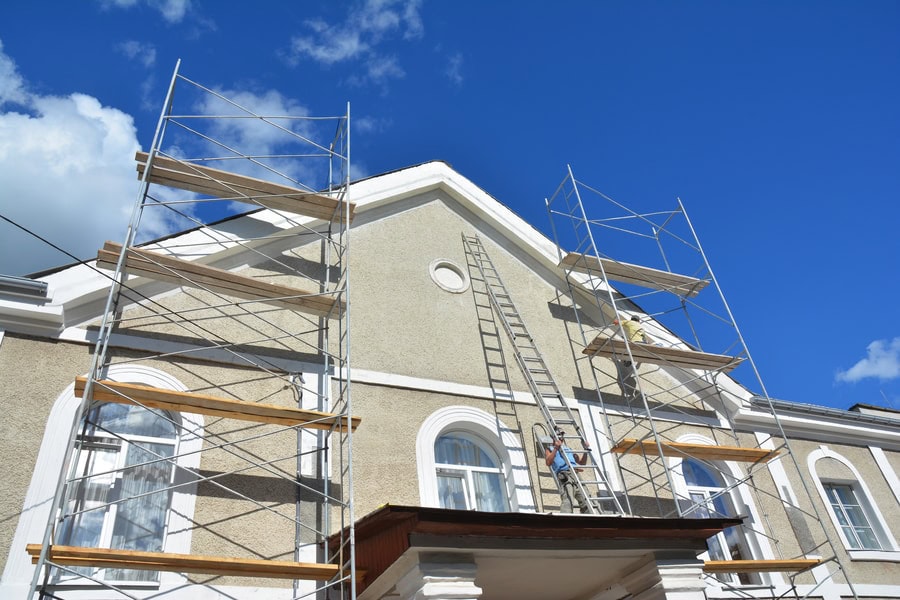
Commercial contractors bring specialized equipment that most residential painters don’t own. Scaffolding for tall buildings. Industrial paint sprayers that cover large areas quickly. Aerial lifts for reaching high exteriors safely. Pressure washers and sandblasters for heavy-duty surface prep. This equipment isn’t just expensive—it requires training and experience to use properly. Commercial painters also carry different insurance and licensing to handle the risks involved in larger-scale projects.
The paint products differ too. Commercial-grade paints are formulated for durability and compliance with building codes. They resist heavy wear, meet fire safety standards, and often include anti-corrosive or anti-graffiti properties. In Florida, commercial exterior paints need to withstand not just sun and rain, but also the specific demands of stucco, metal, and concrete surfaces common in commercial construction. These aren’t the same products you’d use in a bedroom.
Scheduling is another major difference. Commercial contractors often work after hours—nights, weekends—to avoid disrupting business operations. A retail store can’t close for a week while you paint. An office building with 200 employees can’t shut down. Commercial painters coordinate with property managers and business owners to minimize impact on daily operations. They’re used to working around tenants, customers, and tight deadlines.
Safety regulations are stricter on commercial projects. Contractors need OSHA training, proper fall protection, and adherence to local building codes. They coordinate with property management teams, submit detailed documentation, and often handle multi-stage projects with complex logistics. If you’re a homeowner, you don’t need this level of bureaucracy. But if you’re a property manager or business owner, you absolutely do.
The expertise required is different too. Commercial painters need to understand building systems, work with architects and general contractors, and navigate permitting processes. They’re not just making your space look nice—they’re ensuring compliance, durability, and long-term performance in environments that see constant use.
Apartment Painting Contractors
Apartment painting contractors sit somewhere between residential and full commercial work. They’re painting living spaces, like residential painters do. But they’re handling multiple units, coordinating with property managers, and working in occupied buildings—challenges that require commercial-level organization and experience.
If you manage an apartment complex in Orange County, FL, you can’t just hire any painter. You need contractors who understand multi-family properties. They know how to paint unit interiors during turnover without delaying new tenants. They can handle common areas—hallways, stairwells, lobbies—while residents are still living there. And they’re used to working around maintenance schedules, lease timelines, and the reality that people don’t want paint fumes in their homes for days.
Apartment painting contractors also bring efficiency that matters when you’re managing dozens or hundreds of units. They use low-odor, fast-drying paints so units can be turned over quickly. They work in phases to minimize disruption. And they communicate clearly with property managers about timelines, costs, and any issues that come up.
How Apartment Painting Contractors Handle Occupied Properties
Painting an occupied apartment building is nothing like painting an empty house. Residents are living their lives. Kids are going to school. People are working from home. You can’t just show up, make a mess, and leave. Apartment painting contractors who do this well understand that minimizing disruption isn’t optional—it’s the whole point.
Good apartment contractors give residents advance notice. They coordinate with property managers to schedule work during times that cause the least inconvenience. They section off work areas so residents can still access amenities, parking, and their units. And they keep job sites clean, because nobody wants to walk through paint-splattered hallways to get to their front door.
Low-odor paints make a huge difference in occupied buildings. Traditional oil-based paints can make units uninhabitable for days. Modern low-VOC and water-based paints dry faster, smell less, and let residents move back in sooner. Apartment painting contractors in Florida also use mold- and mildew-resistant paints, which matter in a humid climate where moisture builds up quickly in shared spaces like laundry rooms and stairwells.
Communication is critical. Property managers need updates on progress, completion timelines, and any unexpected issues. Residents need to know when their building will be painted, how long it’ll take, and what to expect. Apartment painting contractors who excel at this keep everyone informed, respond quickly to questions, and make the process as seamless as possible.
The scope of apartment projects varies widely. Sometimes it’s just refreshing unit interiors during turnover—walls, ceilings, trim. Other times it’s full exterior repaints covering multiple buildings, balconies, and common areas. Contractors need to handle both efficiently. They bring larger crews than typical residential painters but maintain the attention to detail that matters in spaces where people live.
Tenant satisfaction directly impacts property managers. If painting causes major disruptions, complaints pile up. If the job looks sloppy or takes too long, it reflects poorly on management. Apartment painting contractors who understand this treat the project as a partnership with property managers, not just a transaction.
Residential Exterior Painters
Your home’s exterior takes a beating in Orange County, FL. The sun is relentless. Humidity is constant. Afternoon storms roll through regularly. And if you’re anywhere near the coast, salt air accelerates deterioration. Residential exterior painters who know what they’re doing understand that painting your home isn’t just about color—it’s about protection.
The best residential exterior painters start with proper surface preparation. In Florida, that means pressure washing to remove dirt, mold, mildew, and loose paint. It means inspecting stucco for cracks and sealing them with elastomeric caulking that flexes with your home’s natural settling. It means scraping, sanding, and priming any wood trim or siding. If a painter skips these steps, your paint job won’t last. Period.
Paint selection matters just as much. Florida homes need UV-resistant, moisture-resistant paints formulated to handle this climate. Acrylic latex paints are the gold standard because they’re flexible, breathable, and durable. They expand and contract with temperature changes without cracking. They let moisture vapor escape from inside your home while keeping water out. And they resist fading better than cheaper alternatives.
Color choices also play a role in longevity. Lighter colors reflect sunlight and stay cooler, which helps them last longer in Florida’s heat. Darker colors absorb more UV and tend to fade faster. That doesn’t mean you can’t use darker shades, but it does mean you need higher-quality paint and realistic expectations about touch-ups down the road.
Residential exterior painters also understand the importance of clean job sites. They protect your landscaping with tarps. They cover driveways and walkways. They clean up debris at the end of each day. Your home is where you live, and good painters respect that.
Scheduling flexibility is another advantage of working with residential exterior painters. They can often work around your schedule, whether that means avoiding weekends when you’re home or painting during the week when you’re at work. They’re not juggling dozens of units or coordinating with a property management company—they’re focused on your home.
In Central Florida, exterior painting typically needs to happen every 5 to 7 years, depending on sun exposure, paint quality, and how well the surface was prepped initially. Coastal homes may need repainting sooner because salt air is harsh on finishes. Residential exterior painters who’ve worked in this area for years can give you realistic timelines based on your home’s specific conditions.
The right residential exterior painters also handle repairs as part of the process. If they find rotted wood under your stucco, they fix it before painting. If fascia boards are damaged, they replace them. If caulking around windows has failed, they reseal it. This isn’t upselling—it’s making sure the paint job actually protects your home instead of just covering up problems that’ll get worse.
Choosing the Right Painter for Your Orange County, FL Property
Residential painting companies, commercial contractors, and apartment painting contractors all serve different needs. If you’re a homeowner, you want residential painters who communicate well, respect your space, and use Florida-appropriate materials. If you manage an apartment complex, you need contractors who can work around occupied units and keep job sites clean. And if you’re handling a large commercial property, you need the equipment, expertise, and regulatory knowledge that only commercial contractors bring.
The key is matching the painter to the project. Don’t hire a residential crew for a 100-unit apartment complex. Don’t pay commercial rates for a single-family home. And don’t settle for contractors who don’t understand Florida’s climate, because your paint job won’t last.
We handle both residential and commercial projects across Central Florida, with the experience and attention to detail that matters whether you’re painting one home or managing multiple properties. If you need reliable painters who show up, communicate clearly, and deliver work that lasts, reach out to us for a free estimate.