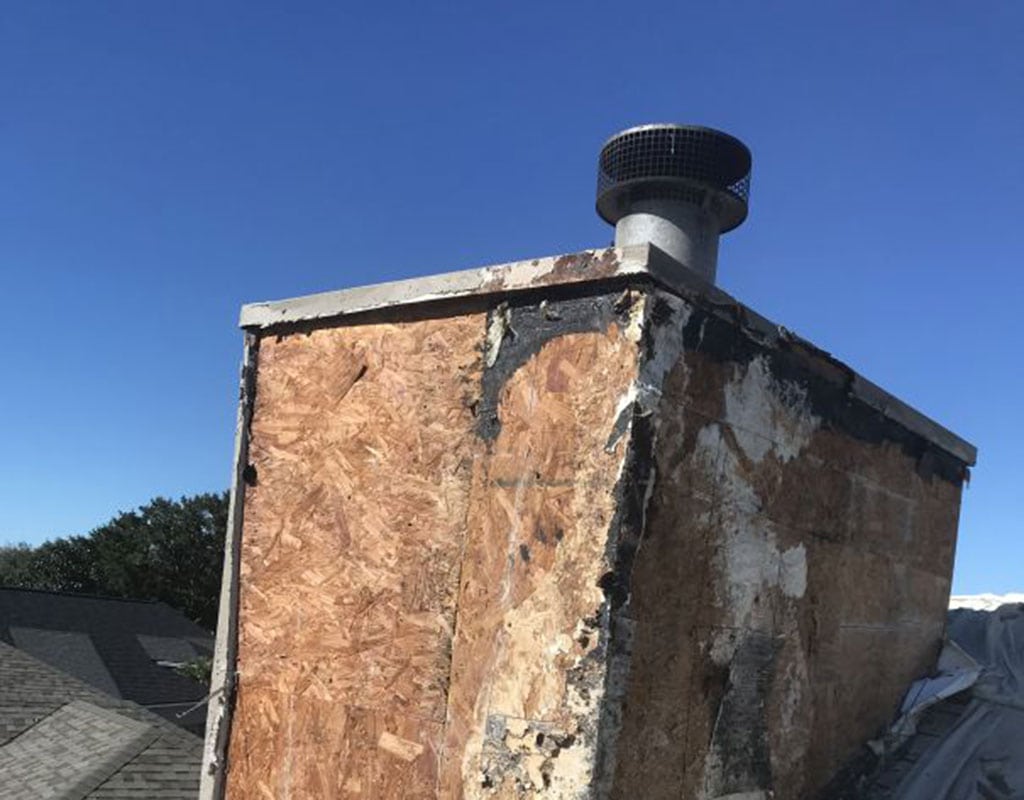

You’ve got a repair patch on your stucco that sticks out like a fresh bandage on weathered skin. Maybe you tried matching it yourself. Maybe someone else did. Either way, it’s obvious—and it’s bothering you every time you pull into the driveway.
Here’s the thing: stucco color matching isn’t like matching paint. It’s a cement-based material that changes as it cures, fades under Florida’s relentless sun, and reflects light differently depending on texture. What looks right wet can dry completely wrong. What matches in the store looks totally different on your wall at noon.
This isn’t about making you feel better about a bad patch. It’s about understanding why matching stucco color is genuinely difficult, what professional contractors do differently, and when it makes sense to call someone who does this every day. Let’s start with why your stucco doesn’t look the same as it did ten years ago.
Why Stucco Color Matching Fails in Florida’s Climate
Walk up to your stucco wall and really look at it. The color you see today isn’t the color it was when it was first applied. Central Florida’s sun has been working on that surface for years, breaking down pigments, lightening the finish, and creating subtle variations across different exposures.
This is where most color matching attempts fall apart. People try to match what they see now without understanding that what they’re seeing is already faded. Fresh stucco mixed to match faded stucco will look different in six months when it weathers. Fresh stucco mixed to match the original color will look wrong immediately because everything around it has already changed.
Add Florida’s climate into the mix and you’ve got a real puzzle. Humidity affects how pigments cure. UV exposure determines how fast colors fade. The same stucco applied in different seasons can dry to slightly different shades. It’s not just about finding the right color—it’s about understanding how that color will behave in Orange County’s environment.
How UV Exposure and Humidity Change Stucco Pigments
Orange County gets hit with some of the most intense UV exposure in the country. That sunlight doesn’t just warm your house—it actively breaks down the pigments in your stucco finish coat. Over time, darker colors lighten. Vibrant shades become muted. What started as a rich tan might now be closer to cream.
The process isn’t uniform either. South-facing walls get hammered by direct sun all day. North-facing sections stay relatively protected. The result is the same house with multiple shades of what was originally one color. Try to match just one area and you’re chasing a moving target.
Florida’s humidity adds another layer of complexity. Stucco needs moisture to cure properly, and our 90-plus percent humidity actually helps with that. But it also means pigments behave differently here than they would in Arizona or California. The same color formula can produce different results depending on how humid it is during application and curing.
Then there’s the rain. Central Florida averages over 50 inches a year. All that water washes over your stucco, carrying dirt, minerals, and organic material. Some of it stains. Some of it just dulls the surface. Either way, you’re not just matching a color anymore—you’re matching a color that’s been weathered, stained, and sun-bleached for however many years your house has been standing.
Temperature swings matter too. Stucco expands and contracts with heat. Darker colors absorb more thermal energy, which can lead to hairline cracking over time. Those cracks collect dirt and moisture, which changes how the color appears. It’s a cycle that keeps altering the surface you’re trying to match.
The bottom line is this: Florida’s climate doesn’t just sit there. It actively changes your stucco’s appearance year after year. Any color matching strategy that doesn’t account for UV fading, moisture exposure, and thermal stress is going to produce patches that stand out.
How to Color Match Stucco When It Dries Lighter
Here’s where DIY attempts usually go sideways. You mix up a batch, apply it carefully, and it looks perfect. The color matches. The texture seems right. You step back feeling pretty good about yourself. Then it dries.
Wet stucco appears three to four shades darker than the final result. That’s not a small difference. That’s the difference between tan and beige, between gray and white. The water in the mix darkens everything, and as it evaporates over 24 to 48 hours, the true color emerges. By then, you’re stuck with it.
This is why you see so many stucco patches that look like they’re not even trying to match. The person who did the work probably thought it looked fine when they finished. They just didn’t know to wait for the alkalinity to balance and the hydration process to complete before judging the color.
Professional contractors know this. We don’t evaluate a color match until it’s fully cured. We test samples days in advance, let them dry completely, and compare them to the existing wall in multiple lighting conditions. It’s not faster. It’s not more convenient. But it’s the only way to know what you’re actually going to end up with.
The curing process itself affects color too. Stucco doesn’t just dry—it undergoes a chemical reaction. Cement and water create calcium hydroxide, which eventually carbonates and hardens. During this process, the appearance changes. Rush it, and you get inconsistent results. Let it cure properly, and you get stable, predictable color.
Temperature during curing matters. Apply stucco on a hot, dry, windy day and it can cure too fast, leaving the surface lighter and weaker. Apply it in cooler, humid conditions and it cures slower and more evenly. Florida’s humidity actually works in your favor here, but you still need to know what you’re doing.
This is why slapping on a patch and hoping for the best rarely works. The color you think you’re applying isn’t the color you’ll end up with. And once it’s on the wall and cured, your options are limited. You can try to blend it with a fog coat. You can paint the whole wall. Or you can live with an obvious patch.
Match Stucco Color Like a Pro: Lab Analysis and Field Testing
Professional stucco contractors don’t guess. We don’t hold up color charts and squint. We don’t mix a batch and hope it turns out right. We use a systematic approach that accounts for weathering, texture, and Florida’s specific challenges.
The first step is usually harvesting a physical sample. Not from the most visible area, but from a spot that represents the current weathered state of the house. This sample goes to a lab where chemists analyze the sand size, aggregate type, and pigment composition. They create a custom formula designed to match what your house looks like now, not what it looked like when it was new.
This lab matching process isn’t cheap, but it’s the most reliable way to get an accurate color match. The alternative is trial and error with color charts, mixing multiple test batches, and accepting that “close enough” is probably the best you’ll get.
Professional Color Analysis and On-Site Sampling
When we show up to assess your stucco in Orange County, we’re looking at more than just color. We’re checking the texture pattern, the aggregate size, the finish type, and how the existing stucco has weathered. All of these factors influence the final match.
We’ll typically chisel out a sample about two inches by three inches from an inconspicuous area—usually near the foundation or behind landscaping. This sample needs to be clean, showing the actual stucco color without dirt or staining. That’s what goes to the manufacturer’s lab.
The lab dissolves the binder to analyze what’s left: the sand particles and pigment. They measure the aggregate size, identify the pigment load, and create a custom dry-mix formula. This formula accounts for your specific weathering profile. It’s not a standard color off the shelf. It’s made for your house.
But even with a perfect lab match, there’s another challenge. Your old stucco is dirty. The new patch is pristine. Even if they’re technically the same color, the clean patch will look different next to the weathered wall. This is where fog coating comes in—a cement-based colorant sprayed over the entire wall to blend everything together.
Fog coating doesn’t seal the stucco like paint does. It absorbs into the surface, maintaining breathability while creating uniform color. It’s the industry standard for making repairs truly invisible. But it’s another step, another cost, and another reason why professional results look different from DIY attempts.
Testing happens on-site, not in a shop. We mix small batches, apply them to sample boards or inconspicuous areas, and observe how they look in morning light, noon sun, and evening shade. Florida’s bright sunlight can make colors appear two to three shades lighter than they do indoors, so testing in actual conditions is critical.
We’re also checking texture. Color is only half the equation. If the texture doesn’t match, the patch will catch light differently and stand out even if the color is perfect. Matching texture requires understanding aggregate size, application technique, and how to replicate the original finish pattern. It’s as much art as science.
Stucco Texture Repair: Matching Patterns and Aggregate
You can nail the color and still have an obvious patch if the texture’s wrong. Texture determines how light reflects off the surface. Smooth stucco reflects light evenly. Rough stucco creates shadows. If your patch is smoother than the surrounding wall, it’ll look shiny and stand out. If it’s rougher, it’ll look darker even if the color matches perfectly.
The texture comes from the aggregate—the sand mixed into the finish coat. Fine sand creates a smooth finish. Coarse sand creates a rough, textured look. If you use 20/30 mesh sand when the original was 16/20 mesh, the difference will be obvious. The patch will look like it’s from a different house.
Application technique matters too. A trowel finish creates different patterns than a float finish. A spray application looks different from hand-applied stucco. Even the way you hold the tool affects the final texture. This is why contractors who specialize in stucco repair develop texture replication skills over years of practice.
In Central Florida, many homes have what’s called a sand finish or dash finish. The texture is created by the size and distribution of sand particles in the top coat. Matching this requires not just the right aggregate size, but the right application pressure, the right timing, and sometimes the right weather conditions.
Some contractors use specialized tools to replicate textures. Sponge floats for certain patterns. Trowels held at specific angles for others. Spray equipment calibrated to create particular effects. It’s not something you pick up from a YouTube video. It’s a skill set built through repetition and experience.
The challenge gets harder with older stucco. Over time, the surface weathers. The cement paste that originally coated each sand grain erodes away, exposing more of the aggregate. This changes the texture. A fresh patch with full cement coverage will look different from weathered stucco showing exposed sand, even if the color and aggregate are identical.
This is another reason professional results often include fog coating or refinishing entire sections. When you can’t perfectly match both color and texture in a small patch, sometimes the solution is to create a new uniform surface across a larger area. It costs more upfront, but it actually looks right.
How to Match Stucco Color in Orange County, FL
Stucco color matching isn’t impossible, but it’s not simple either. It requires understanding how Florida’s climate affects pigmentation, how cement-based materials cure and change color, and how texture influences the final appearance. It requires access to lab services, specialized materials, and years of experience knowing what works in Central Florida’s specific conditions.
For small repairs where perfection isn’t critical, a close match might be good enough. For visible areas where the patch will be seen every day, professional color matching and texture replication make the difference between an obvious repair and an invisible one. The question isn’t whether it can be done right—it’s whether it’s worth doing right for your specific situation.
If you’re dealing with stucco damage in Orange County or anywhere across Central Florida, we bring over 20 years of experience to color matching challenges. We understand Florida’s climate, have access to professional lab matching services, and know how to blend repairs so they actually disappear. Sometimes the best solution is calling someone who handles this every day instead of fighting through trial and error on your own.