You noticed a crack. Maybe a dark stain near a window frame. Maybe a spot on the wall that feels a little soft when you press it. You’re not sure if it’s cosmetic or if there’s something worse happening behind the surface — and that uncertainty is exactly what makes stucco damage so stressful.
The good news is that not every stucco problem requires tearing everything off and starting over. The bad news is that some of them do, and the longer you wait to find out which category you’re in, the more expensive the answer gets.
Here’s what you actually need to know.
What’s the Difference Between Stucco Repair and Stucco Remediation?
Repair and remediation sound like they might be interchangeable, but they describe two very different scopes of work.
A stucco repair addresses a specific, isolated problem — a hairline crack, a small area of damage, a section that came loose. The underlying system is still sound. You’re fixing a symptom, and that’s the right call when the symptom is genuinely isolated.
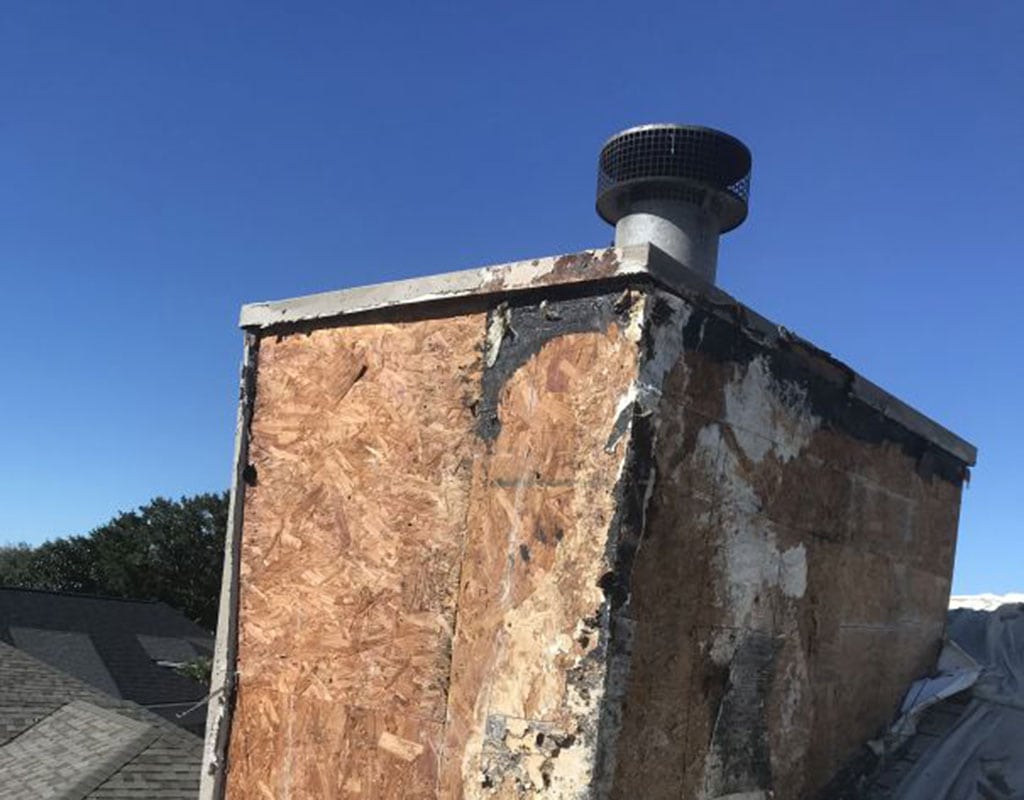
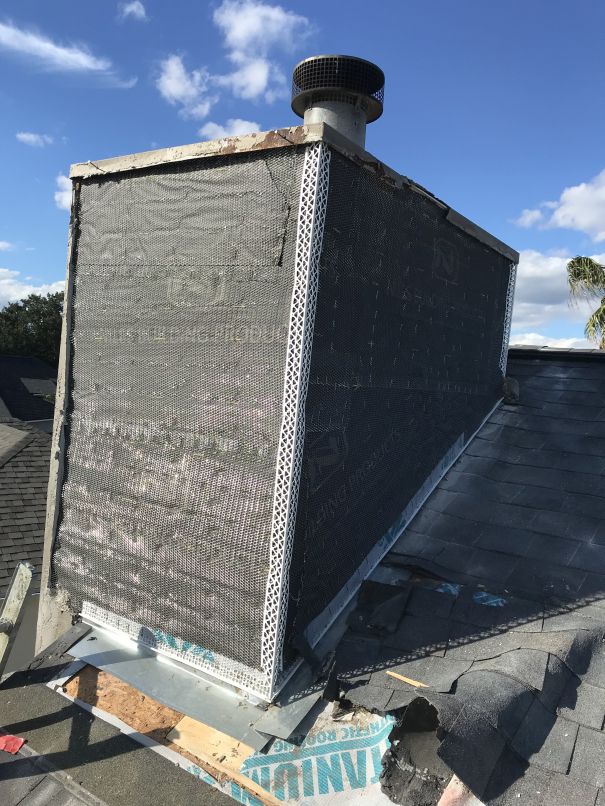
Remediation is something else entirely. It means the stucco system itself has failed — not just a patch of it, but the whole approach. That typically involves removing the existing stucco down to the substrate, inspecting what’s underneath for moisture damage, rot, or mold, and reinstalling a properly functioning system from scratch. It’s a bigger project, a bigger investment, and in the right circumstances, the only real fix.
Home Stucco Repair: When a Patch Actually Holds
A genuine repair — one that lasts — is possible when the damage is truly surface-level. Hairline cracks that haven’t allowed moisture intrusion, small areas where the finish coat has chipped or separated, cosmetic wear from years of UV exposure: these are situations where a skilled contractor can come in, prep the surface properly, apply a compatible patch, match the texture and color, and have it hold for years.
The catch is that surface-level damage and moisture-related damage can look nearly identical from the outside. A crack that appears cosmetic can be an active entry point for water. In Orange County, where average humidity runs around 74% and summer brings daily afternoon thunderstorms from June through September, that distinction matters enormously.
Water that gets behind stucco in this climate doesn’t just sit there — it spreads, feeds mold, and starts breaking down whatever it’s touching. This is why the inspection matters as much as the repair itself.
A contractor who patches without probing — without actually checking whether moisture has already gotten in — is solving the wrong problem. The patch might look fine for a season. But if water has already infiltrated the system, you haven’t fixed anything. You’ve just covered it up and given it a warmer, darker place to keep working.
What makes a repair worth doing is confidence that the system underneath is still intact. That confidence comes from a thorough assessment, not a visual guess from the driveway. When we look at a stucco repair job, we’re not just looking at the crack — we’re looking at what the crack is telling us about everything behind it.
Signs Your Stucco Problem Has Gone Past a Simple Repair
There are a few things that, once you see them, move the conversation from repair to remediation pretty quickly.
Stucco that’s visibly bulging or separating from the wall behind it — what we call delamination — means the bond between the stucco and the substrate has broken down, often because moisture has been sitting between them. You can’t patch over that and expect it to hold.
Dark staining around windows and doors is another one. In a lot of Orange County homes, especially those built during the 1990s construction boom, window flashing was installed incorrectly or skipped altogether. Every rainstorm since then has been pushing water into the wall cavity right at those seams. By the time the staining shows up on the exterior, the damage on the inside of the wall is usually already significant.
Interior moisture stains — water marks on ceilings or walls that don’t trace back to a plumbing leak — are a strong signal that the exterior system has been compromised. So is a soft or spongy feeling when you press on the stucco surface. That softness often means the wood sheathing or framing behind the stucco has been wet long enough to start breaking down.
Mold is the other factor that changes the calculation. A single mold spot, left unchecked, can spread to cover 30 square feet or more. When mold is present behind stucco, remediation isn’t just a structural decision — it’s a health one. Patching over active mold doesn’t eliminate it. It seals it in.
The homes most likely to be in this situation in Orange County are the ones built between roughly 1990 and 2005, when barrier-style EIFS — synthetic stucco — was widely used in Florida residential construction. These systems were installed without drainage planes, meaning any moisture that got behind them had nowhere to go. Those homes are now 20 to 35 years old, and many of them are approaching the point where the damage is no longer hidden.
Stucco Remediation Cost: What Drives the Numbers
Cost is usually the first question, and it’s a fair one. Full stucco remediation — removing the existing system, inspecting and repairing what’s underneath, and reinstalling properly — typically runs in the range of $7,500 to $15,000 for a full home, depending on size, the extent of the damage found underneath, and the number of windows and penetrations that need to be addressed.
Stucco removal alone can run $900 to $2,100 before reinstallation begins. Minor repairs, by contrast, can run $250 to $1,000 for small patches, and up to $3,000 to $8,000 for larger sections.
The gap between those numbers is significant — but so is the gap in what you’re actually getting.
Why Repeated Repairs Often Cost More Than One Remediation
Here’s the part most homeowners don’t think about until they’ve already been through it once or twice: if the underlying system is failing, no patch is going to hold permanently. You might get a year out of it. Maybe two. But the moisture is still there, still moving, still working on the structure.
The next repair will cost more than the first one because the damage will have spread. The one after that will cost more still. When you add up three or four repair attempts on a system that needed remediation from the start, you often end up spending more in total than a single proper remediation would have cost — and you’ve still got a failing system at the end of it.
That’s the repair trap, and it’s one of the most common and avoidable financial mistakes in this space.
The honest version of the cost conversation is this: if the system is compromised, remediation is the cheaper long-term option. It just doesn’t feel that way when you’re staring at the initial estimate. Our owner spent 20 years in foundation repair before starting CF Stucco and Painting, and that background shapes how we approach every assessment. He’s seen what happens to a structure when surface problems get patched instead of fixed — and it’s almost always more expensive to address later than it would have been to address correctly the first time.
What makes this especially relevant in Orange County is the climate. With 54 inches of rain per year and humidity that rarely drops below 70% in the summer months, a compromised stucco system doesn’t get a break. There’s no dry season long enough to arrest moisture damage that’s already in progress. Every storm that rolls through — and in Central Florida, that’s essentially every afternoon from June through September — is another opportunity for water to get deeper into a system that’s already letting it in.
Replacing Stucco With Siding: When Does It Actually Make Sense?
This is a question we hear more often than you might expect, and it deserves a straight answer rather than a sales pitch for either option.
Replacing stucco with fiber cement siding — James Hardie is the dominant product in Florida — is a legitimate choice in some situations. Fiber cement doesn’t crack the way stucco does, it holds paint well, and it handles moisture differently. For homeowners in Orange County who have dealt with repeated stucco failures and want to change the equation entirely, it’s worth considering.
That said, stucco is genuinely well-suited to Florida’s climate when it’s installed and maintained correctly. It performs well on the concrete block construction that dominates Orange County’s housing stock. It breathes in ways that help manage the humidity that fiber cement handles differently. And for homes in established neighborhoods like Hunters Creek, Metrowest, or the Dr. Phillips corridor, stucco is often the material that fits the architecture and the neighborhood aesthetic — replacing it with siding changes the look of the home in ways that not everyone wants.
The situations where siding replacement makes the most sense are usually ones where the stucco system has failed so thoroughly — and the underlying structural damage is extensive enough — that reinstalling stucco would essentially mean starting from zero anyway. At that point, the cost difference between re-stuccoing and installing fiber cement siding narrows considerably, and siding’s lower long-term maintenance requirements start to look more attractive.
What we’d caution against is making that decision based on frustration with a bad repair experience rather than a clear-eyed look at the actual condition of the home. A system that failed because it was installed incorrectly — missing moisture barriers, no drainage plane, inadequate flashing — can be fixed correctly. The failure wasn’t stucco’s fault. It was the installation’s.
A properly installed, properly maintained stucco system on a Florida home can last decades without the issues that drive people to consider siding in the first place. The right answer depends on your home’s construction, the extent of the damage, your timeline, and your goals. We’re happy to walk through that honestly with you — without pushing you toward whichever option is easier for us.
How to Find the Right Stucco Remediation Contractor in Orange County
The most important thing you can do before signing anything is verify that the contractor holds a valid Florida state license — you can check that directly through the Florida DBPR. Beyond licensing, look for someone who carries general liability and workers’ compensation insurance, pulls the required permits for exterior work in Orange County, and gives you a written, itemized estimate after a real inspection — not a number from the driveway.
EIFS work specifically requires experience that not every contractor has. If your home was built in the 1990s and has synthetic stucco, ask directly whether the contractor has worked on aging EIFS systems and what their process looks like for assessing moisture intrusion before any work begins.
If you’re in Orange County and trying to figure out whether what you’re looking at is a repair or something more serious, CF Stucco and Painting is a good place to start that conversation. We’ll tell you what we actually see — not what makes the estimate look better.