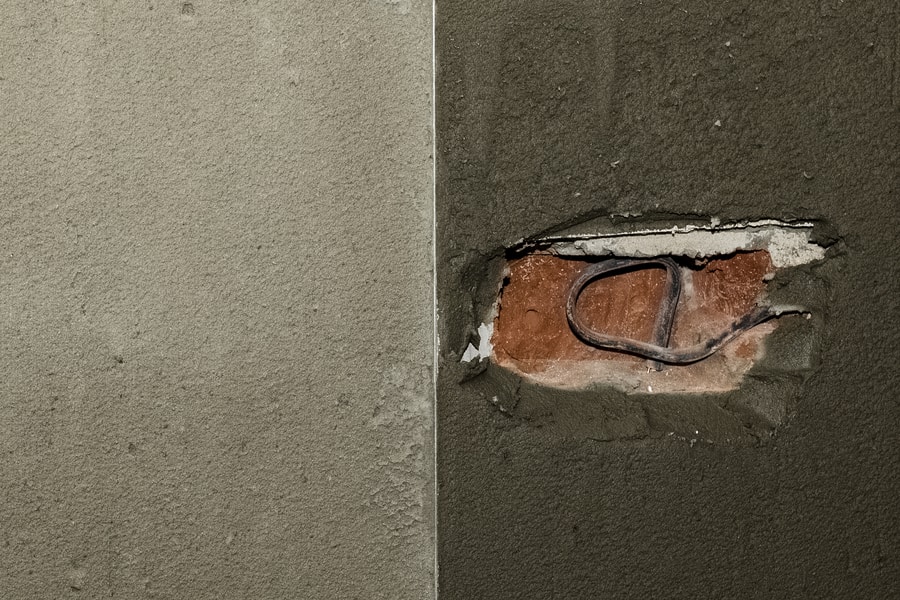
You’ve got cracks in your stucco. Maybe water stains. Maybe both. Now you’re looking at a list of contractors, trying to figure out who’s actually going to fix it right and who’s going to take your money and leave you worse off than you started.
Here’s the thing: not all stucco repair contractors work the same way. Some show up, slap on a patch, and disappear. Others take the time to find out why the crack happened in the first place, fix the underlying issue, and document everything so you’re protected down the road. This page walks you through what the good ones actually do—and how to spot the difference before you sign anything.
How to Verify Stucco Contractor Credentials in Florida
Before you let anyone touch your exterior, you need to know they’re actually qualified to do the work. In Florida, that starts with licensing.
Contractors performing stucco work are required to hold a license issued by the Florida Department of Business and Professional Regulation. This isn’t just a formality. It means they’ve met training requirements, passed exams, and agreed to follow ethical standards. You can verify any contractor’s license status directly through the state’s online portal.
Insurance matters just as much. A licensed contractor should carry general liability insurance and workers’ compensation coverage. If someone gets hurt on your property or damages your home during the repair, you want their insurance handling it—not yours. Ask for a certificate of insurance and confirm the policy is current before work starts.
What Licensing Actually Protects You From
Licensing isn’t about checking a box. It’s about accountability.
When a contractor holds a valid Florida license, they’re subject to oversight by the state licensing board. If they abandon a job, perform substandard work, or commit fraud, you have a formal channel to file a complaint and pursue disciplinary action. Unlicensed contractors don’t give you that option. If something goes wrong, your only recourse is a lawsuit—which costs time, money, and stress most homeowners don’t want to deal with.
Licensing also signals that the contractor understands Florida’s building codes. Central Florida has specific requirements for stucco thickness, moisture barriers, and wind resistance. The Florida Building Code specifies that stucco should be approximately 7/8 inches thick to provide adequate protection and durability. Contractors who cut corners on thickness or skip proper layering create problems that show up months or years later, usually in the form of cracks, water intrusion, or worse.
Licensed contractors are also more likely to handle permits correctly. Exterior stucco projects often require local permits, and a licensed contractor typically manages the application and inspection process with local building officials. Skipping permits might save time upfront, but it can cost you when you try to sell your home or file an insurance claim. Unpermitted work raises red flags for buyers and insurers alike.
You’re not just hiring someone to fix a crack. You’re hiring someone who’s legally accountable for doing it right.
Red Flags That Signal an Unreliable Contractor
Some warning signs are obvious. Others are easy to miss if you don’t know what to look for.
One of the biggest red flags is a demand to pay a large portion of the cost upfront. Reputable contractors don’t ask for significant payment before work begins. A small deposit to cover materials is standard, but if someone’s pushing for half the total before they’ve done anything, that’s a sign they may not be financially stable enough to complete the project—or they’re planning to disappear once they have your money.
Poor communication is another clear signal. If a contractor misses appointments, doesn’t return calls, or avoids answering direct questions, they’re showing you how the entire project will go. Good contractors respond promptly, explain their process clearly, and keep you updated without you having to chase them down. Professionalism starts before the first shovel hits the ground.
High-pressure sales tactics should make you walk away. Contractors who push you to “sign today for a discount” or claim your home needs emergency repairs without a proper inspection are more interested in closing a deal than solving your problem. Reliable professionals understand that home improvement decisions take time. They’ll give you space to review estimates, check references, and compare options.
Watch out for vague or incomplete contracts. If a contractor hands you a one-page estimate with no timeline, no payment schedule, and no clear scope of work, you’re setting yourself up for disputes. A solid contract should outline exactly what’s being repaired, what materials will be used, when the work will be completed, and what the warranty covers. Everything should be in writing. Verbal promises don’t hold up when something goes wrong.
Finally, be cautious if a contractor can’t or won’t provide references. A trustworthy contractor will gladly share contact information for past clients. If they hesitate, avoid the question, or claim all their previous customers are “too busy” to talk, that’s a sign they may not have a track record worth sharing. Take the time to call those references and ask about the quality of work, communication, and whether the contractor stood behind their repairs if issues came up later.
What Professional Stucco Preparation Actually Involves
Patching a crack isn’t the same as repairing stucco. Good contractors know the difference.
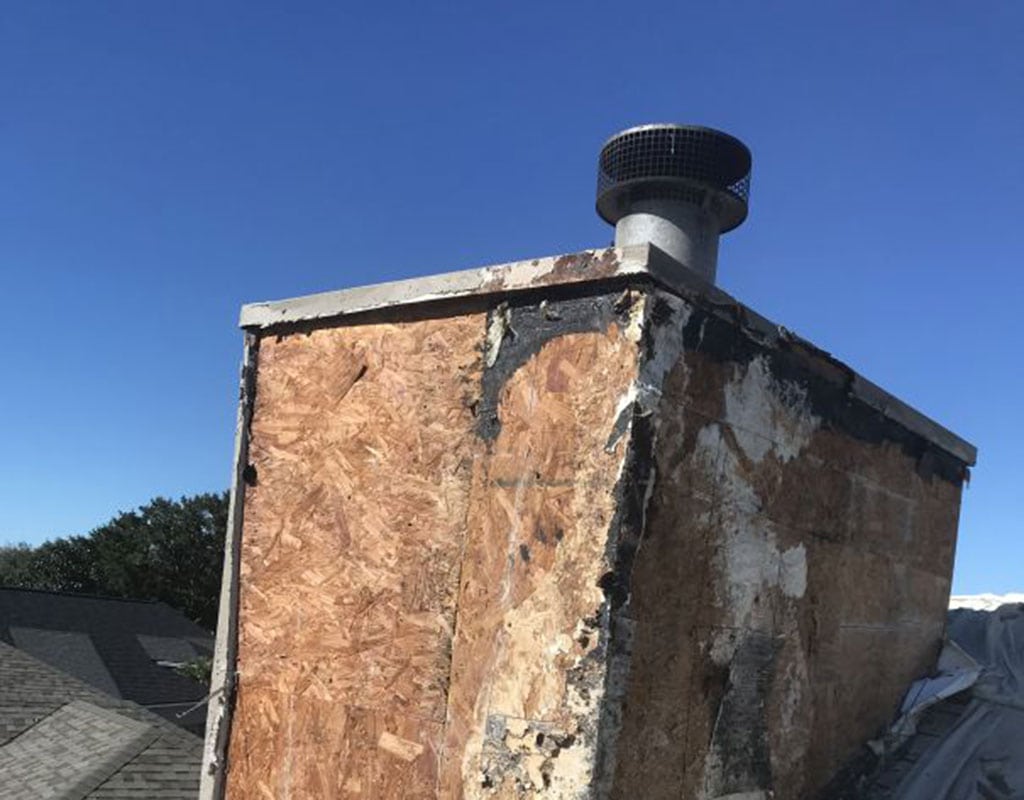
Professional preparation starts with finding out why the damage happened. Cracks don’t just appear for no reason. They’re symptoms of underlying issues—foundation settling, moisture intrusion, improper installation, or structural movement. A contractor who skips the diagnostic step is just covering up the problem, not fixing it.
Once we’ve identified the cause, the real work begins. That means removing damaged material, inspecting the substrate for rot or water damage, and addressing any issues before applying new stucco. If wood framing under the stucco has started to decay, it needs to be replaced. If the moisture barrier is compromised, it needs to be repaired. Skipping these steps might save time, but it guarantees the problem will come back.
Why Moisture Management Matters in Central Florida
Central Florida’s climate is brutal on stucco. Heavy rainfall, high humidity, and hurricanes create constant pressure on your exterior. Water intrusion behind the finish coat causes approximately 60% of stucco failures that contractors see in this region.
Good contractors design their repairs with moisture management in mind. That means installing proper drainage paths, weep screeds, and flashing around windows and doors. It means making sure the stucco can “breathe”—allowing incidental moisture to escape instead of trapping it inside the wall where it can rot framing and grow mold.
Hairline cracks might seem minor, but they enable water penetration which produces major damage behind the walls. Once moisture gets in, it doesn’t just sit there. It spreads. It weakens the substrate. It creates conditions for mold and structural decay. In Florida’s humid climate, that process happens faster than in drier regions.
Professional contractors also understand the importance of control joints. These are intentional breaks in the stucco that allow the material to expand and contract with temperature changes without cracking. Proper placement of control joints is critical for preventing future damage, especially on larger surfaces or areas exposed to direct sunlight.
The salt-laden air and high humidity in coastal areas add another layer of complexity. Water intrusion weakens the substrate and can cause efflorescence, spalling, and cracking over time. Contractors familiar with Central Florida’s unique conditions know which materials hold up best and how to detail the system to resist moisture-driven deterioration.
A contractor who understands moisture management isn’t just fixing what you can see. They’re protecting what you can’t.
The Difference Between Repair and Remediation
Not every stucco problem needs the same solution. Understanding the difference between repair and remediation can save you from paying for more than you need—or settling for less than what will actually work.
Repair is targeted. It addresses specific cracks, holes, or damaged sections. The contractor removes the compromised material, prepares the surface, and applies new stucco to match the existing texture and color. For isolated damage with no underlying structural issues, repair is the right call. Professional stucco repair costs between $600 and $2,657 on average, depending on the extent of the damage.
Remediation goes deeper. It’s what you need when the damage is widespread, when moisture has compromised the substrate, or when the original installation was done incorrectly. Remediation means stripping away the existing stucco, correcting the root problem—whether that’s rot, missing moisture barriers, or improper framing—and rebuilding the system from scratch. It’s more expensive and time-intensive, but it’s the only way to fix systemic failures.
How do you know which one you need? A qualified contractor will inspect the damage, test for moisture intrusion, and give you an honest assessment. If they find soft spots, evidence of water damage, or structural rot, remediation is likely the safer route. If the damage is cosmetic and the substrate is sound, repair will do the job.
Beware of contractors who push for full remediation when repair would suffice—or worse, those who offer a quick patch when the underlying system is failing. A $300 crack repair now can prevent a $5,000+ water damage remediation later, but only if the contractor is addressing the actual problem, not just making it look better temporarily.
The best contractors will explain the difference, show you the evidence, and let you make an informed decision. We’re not trying to upsell you or lowball the scope. We’re telling you what your home actually needs.
Choosing a Stucco Contractor Who Protects Your Investment
Good stucco repair contractors don’t just fix cracks. We diagnose the underlying cause, prepare the surface properly, manage moisture so the repair lasts, and document everything so you’re protected if insurance questions come up later. We communicate clearly, show up when we say we will, and stand behind our work with a real warranty.
You’re not looking for the cheapest bid. You’re looking for someone who understands Central Florida’s climate, holds the right credentials, and treats your home like it matters. That’s what separates a contractor who solves your problem from one who creates new ones.
If you’re dealing with stucco damage and want it done right, CF Stucco and Painting brings the preparation work, climate expertise, and reliable communication that Central Florida homeowners count on.