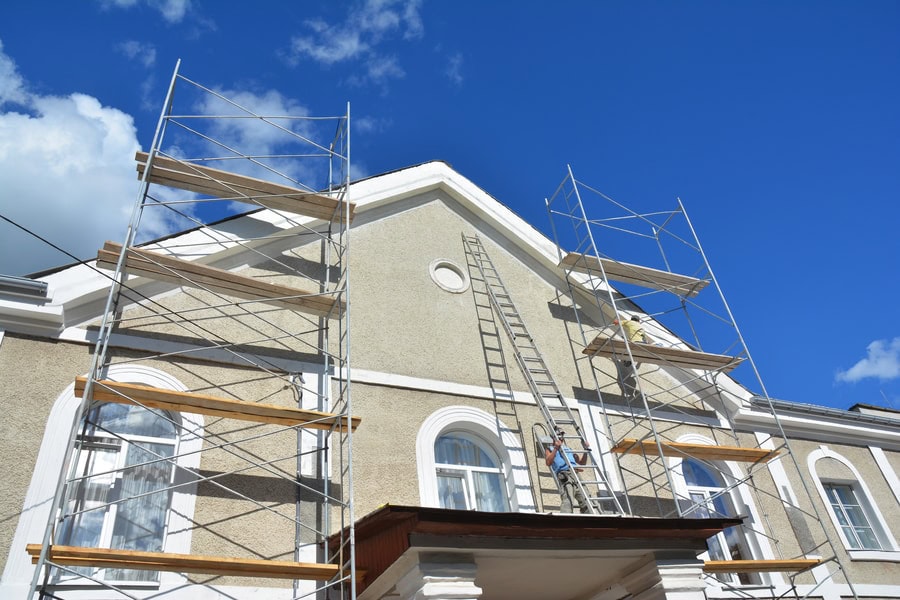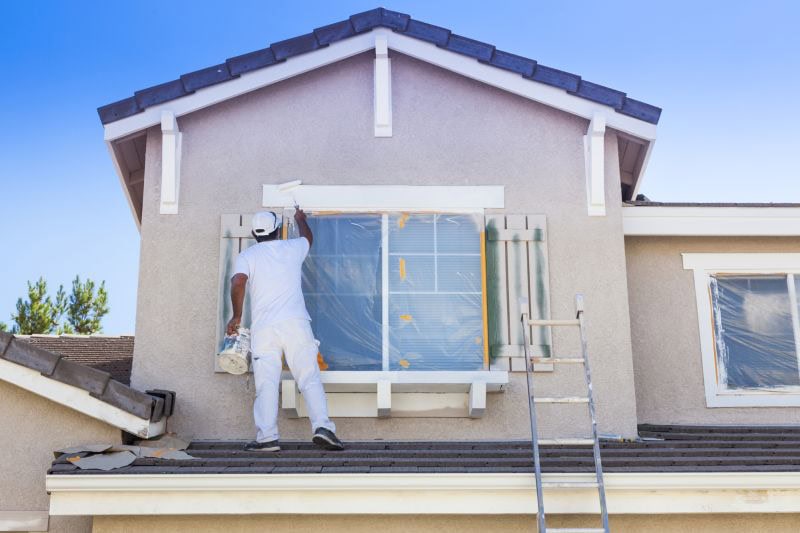
You’ve decided it’s time to repaint the exterior. Maybe the color has faded, the finish looks worn, or you’re getting ready to sell. You call a few painters, get some quotes, and start thinking about colors. Completely reasonable. But here’s what a lot of homeowners across Orange, Osceola, Seminole, Volusia, Brevard, and Lake Counties find out the hard way — if the stucco underneath isn’t in good shape before the painter shows up, the paint won’t last. Not because the painter did anything wrong. Because paint is a finish, not a fix. Here are four signs your home needs stucco repair first.
Why Stucco Repair Must Come Before Exterior Painting in Central Florida
Central Florida is genuinely hard on stucco. Orlando averages 74% humidity and more than 50 inches of rain a year. From June through September, afternoon thunderstorms roll through almost daily, dropping temperatures 20 degrees in an hour and driving rain sideways into every crack and gap on your exterior walls. That’s not a backdrop — that’s the operating environment your stucco lives in year-round.
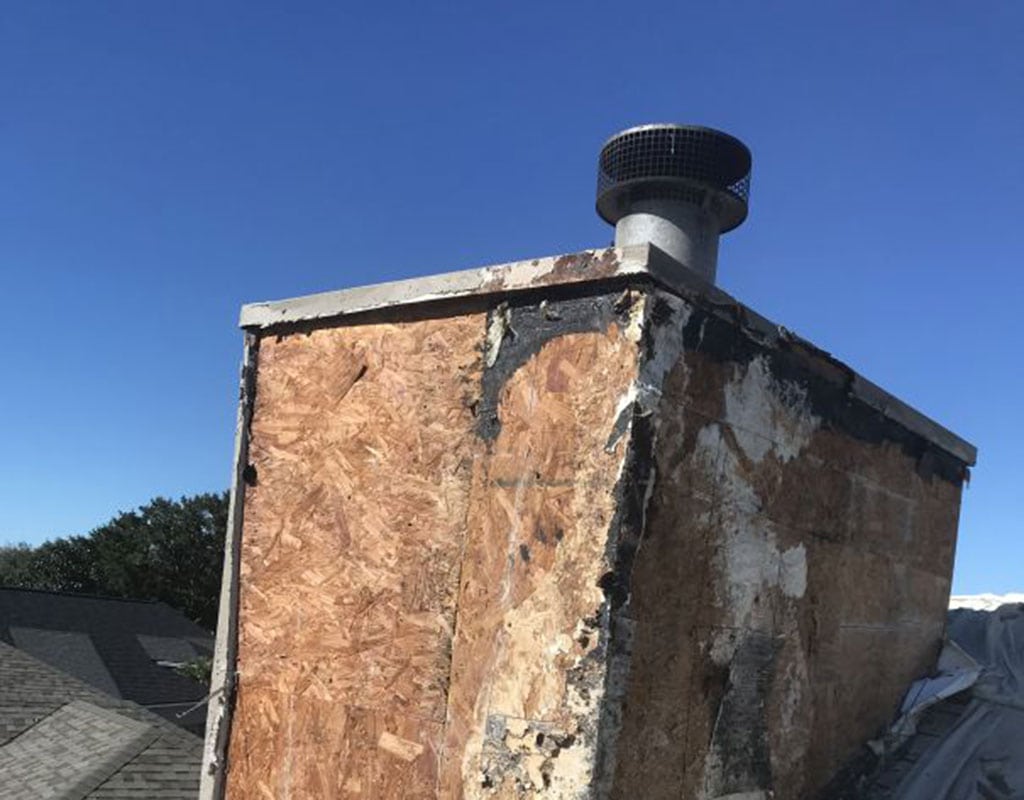
When stucco has cracks, soft spots, or moisture damage and you paint over it, the paint seals moisture in rather than keeping it out. What follows is predictable: bubbling, peeling, and cracking — often within a single wet season. The underlying damage keeps spreading, just invisibly now. By the time it shows again on the surface, you’re looking at a bigger repair than you started with.
What Happens When You Paint Over Damaged Stucco
Paint is designed to adhere to a stable, intact surface. Stucco that has moisture behind it, cracks that go deeper than the finish coat, or sections that have separated from the substrate — none of that is a stable surface. The paint may look fine on day one. It might even look fine for a few months. But once the summer rains hit in Volusia County, or the salt air off the coast in Brevard County works its way into those hairline cracks, the failure starts from the inside out.
The most common scenario we see: a homeowner in Deltona or Kissimmee repaints their home, the job looks great, and eight months later there are bubbles forming near the windows and a crack has reappeared along the roofline. They call the painter back. The painter looks at it, says the stucco must have had a problem underneath. They’re right. But now the homeowner is paying again — for stucco repair that should have happened first, plus another paint prep and application over the affected areas.
This isn’t a rare edge case. It’s a pattern we see regularly across Orange, Osceola, and Seminole Counties, particularly in homes built in the 1980s and 1990s. The stucco on those homes is 30 to 40 years old. It’s been through hundreds of storm seasons. It has history, and that history matters before any new paint goes on.
Most exterior painting contractors are trained to prepare and paint surfaces — and they do that well. But diagnosing moisture intrusion behind a finish coat, identifying delamination, or recognizing the difference between a cosmetic hairline crack and one that’s letting water into the wall cavity requires a different skill set. A good painter will tell you to get your stucco looked at first.
The 4 Signs Your Stucco Needs Repair Before Any Painter Arrives
The first sign is cracking — but not all cracks are equal. Hairline cracks that run vertically and stay shallow are often just thermal movement, the stucco expanding and contracting through Central Florida’s daily temperature swings. They’re worth monitoring. But cracks wider than about 1/8 of an inch, horizontal cracks, cracks that run along window frames or door openings, or cracks that seem to grow over time — those are telling you something is happening underneath. In a climate where humidity stays above 90% for months at a stretch, any crack wide enough to let moisture in is wide enough to cause serious damage behind the wall.
The second sign is staining or white powdery residue on the surface. That white chalky buildup — called efflorescence — forms when water moves through the stucco and carries mineral salts to the surface as it evaporates. It looks like a cosmetic issue. It isn’t. It means water is actively moving through your stucco, which means there’s a moisture pathway that needs to be addressed before it reaches the framing or insulation behind the wall.
The third sign is a hollow or soft sound when you tap the surface. Run your knuckles across the stucco in areas that concern you. A solid, consistent sound is what you want. A hollow thud, or a section that feels slightly soft or spongy, means the stucco has separated from the substrate beneath it — a condition called delamination. That section is no longer doing its job as part of the home’s weather barrier. Painting over it won’t reattach it, and the next storm season will make it worse.
The fourth sign is visible bulging or bubbling in the stucco surface itself, even before any paint has been applied. This almost always means moisture has gotten behind the finish coat and has nowhere to go. In Brevard County coastal homes, this can also involve rusted metal lath — the wire mesh embedded in the stucco system — which expands as it corrodes and pushes the surface outward. Once you see that kind of movement in the wall, you’re past the point of a simple patch. The source of the moisture needs to be found and corrected, not covered over.
How Stucco Repair Actually Works — What a Real Inspection Involves
A proper stucco repair doesn’t start with mixing compound and filling cracks. It starts with understanding why the damage is there. The visible crack, stain, or hollow spot is a symptom. The cause might be a failed moisture barrier around a window, a drainage issue at the base of the wall, structural movement in the framing, or — in a significant number of Central Florida homes — a failing EIFS system that was installed without a drainage plane.
Getting the diagnosis right is what separates a repair that holds from one that reappears in 18 months. That’s the part most surface-level patching skips.
EIFS and Older Central Florida Homes — What You Might Not Know About Your Stucco
If your home was built in the late 1980s or 1990s — which covers a large portion of the housing stock in Orange, Seminole, and Volusia Counties — there’s a meaningful chance your exterior finish isn’t traditional hard-coat stucco at all. It may be EIFS: Exterior Insulation and Finish System, sometimes called Dryvit or synthetic stucco. From the outside, it looks nearly identical to traditional stucco. The difference is what’s underneath.
Early EIFS systems — the kind installed on most Central Florida homes from that era — were barrier-type systems. They relied entirely on the outer finish coat to keep moisture out. No drainage plane, no path for water to escape if it got behind the surface. In a dry climate, that might hold up for decades. In Central Florida, with 50-plus inches of rain a year and humidity that never really lets up, those systems have been quietly failing for years. Water gets in through a crack or a failed seal around a window, and it has nowhere to go. It sits against the wood framing and sheathing, and the damage compounds season after season.
The reason this matters before you paint: EIFS and traditional stucco require completely different repair materials and techniques. Using the wrong approach on an EIFS surface creates an incompatible system that fails quickly, sometimes faster than the original damage. Painting over failing EIFS without addressing the moisture issue underneath accelerates the deterioration rather than pausing it.
We’ve inspected homes in Winter Park, Oviedo, and Lake Mary where the homeowner had no idea they had EIFS. They thought they had stucco, had been maintaining it as stucco, and were preparing to repaint it as stucco. A proper inspection before any exterior work begins is the only way to know what you’re actually working with — and what the right repair approach looks like.
What a Stucco Repair Process Should Include Before Exterior Painting
The repair process starts with a thorough surface inspection — not just a visual scan, but a physical assessment that includes tapping for hollow sections, checking around every window and door opening, looking at the condition of any caulking or sealant, and evaluating the base of the walls where water tends to collect. In homes near the coast in Brevard or Volusia County, that inspection also looks for rust staining patterns that signal corroding metal lath beneath the surface.
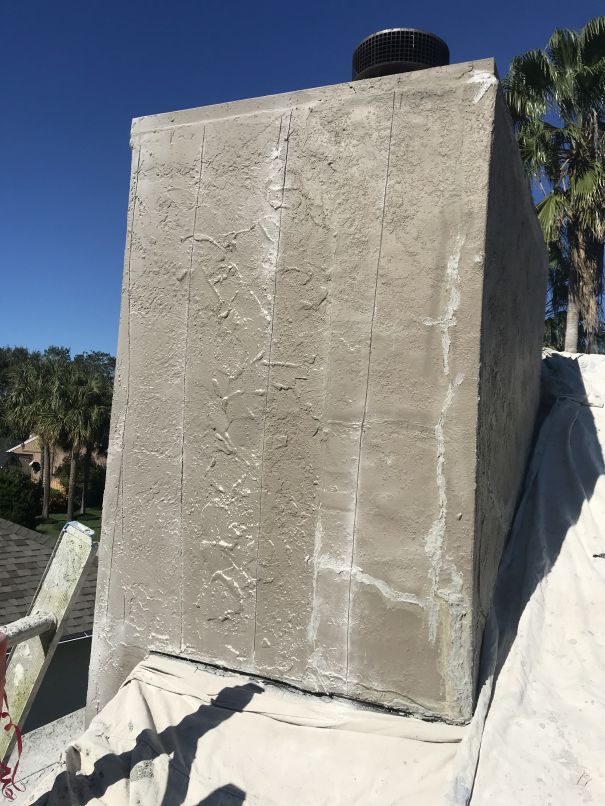
Once the damage is mapped, any loose, crumbling, or delaminated stucco gets removed before anything new goes on. This is the step that gets skipped most often when a painter or a handyman attempts a quick patch. Applying new material over compromised substrate is the single most common reason stucco repairs fail and have to be redone. The new patch has nothing solid to bond to, and it separates again within a season or two.
After the substrate is sound, the repair work uses materials that match the existing stucco system — not a generic pre-mixed compound from a hardware store. Texture matching is a real craft. The goal is a finish that blends into the surrounding wall so cleanly that the repair isn’t visible after painting. In communities like Celebration in Osceola County or Heathrow in Seminole County, where HOA standards require a clean, uniform exterior appearance, a visible patch isn’t an acceptable outcome.
The final step before any paint goes on is proper sealing — elastomeric caulking at joints and transitions, and a masonry conditioner on the repaired surfaces to ensure the paint bonds correctly and the system breathes the way it’s supposed to. Stucco is porous by nature. The right paint, applied over a properly prepared surface, can extend your repaint cycle from every three or four years to every seven to ten. That’s a meaningful difference in both cost and disruption over the life of the home.
Ready to Get Your Stucco Inspected Before Your Next Exterior Paint Job?
The sequence matters. Stucco repair first, then exterior painting — and not the other way around. In a climate like Central Florida’s, where the humidity, rainfall, and storm season create real stress on exterior surfaces year after year, getting the order right is the difference between a paint job that lasts a decade and one that starts failing before the next hurricane season.
If you’ve noticed cracks, staining, soft spots, or bubbling on your home’s exterior — or if you’re simply planning to repaint and want to make sure the surface underneath is actually ready — the right move is a proper inspection before any painter shows up. We’ve been doing this work across Orange, Osceola, Seminole, Volusia, Brevard, and Lake Counties for over 20 years. Reach out to us and we’ll take a look at what you’re actually dealing with before anything else gets scheduled.