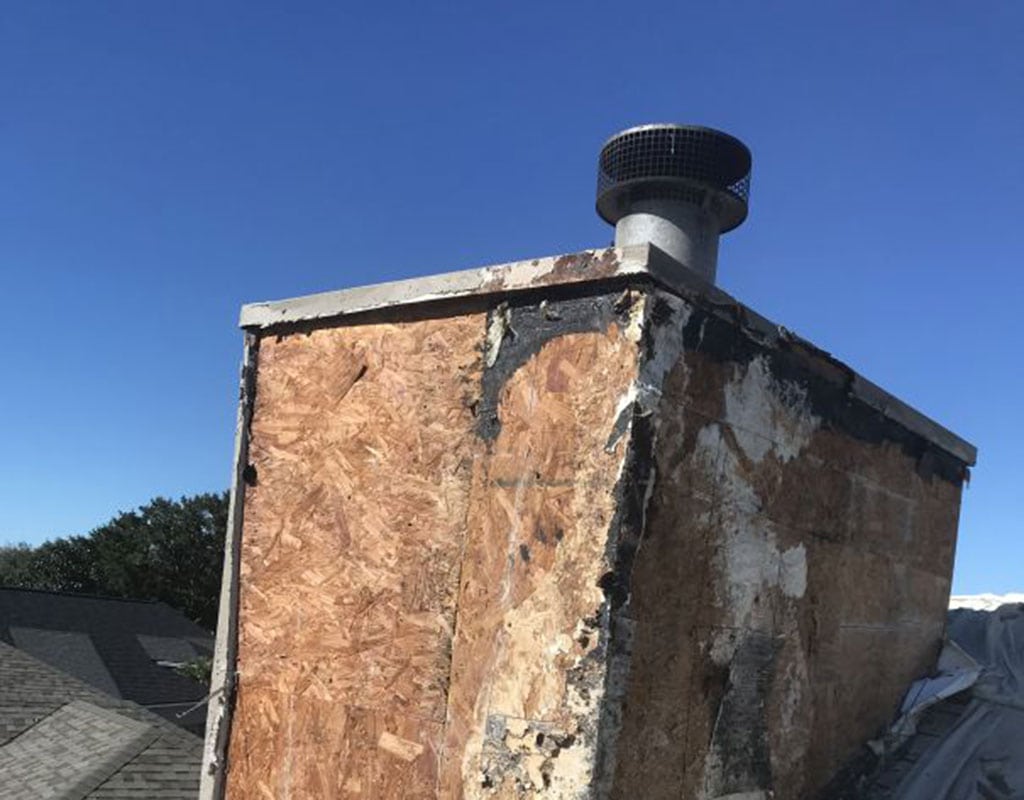
You’ve got stucco damage. Maybe it’s cracks spreading around your windows, water stains that won’t go away, or sections that feel soft when you press on them. Now you’re comparing contractors, and half of them won’t return your calls. The other half give you a price over the phone without even looking at the damage.
Here’s what you need to know: finding reliable residential stucco contractors in Florida isn’t the same as hiring someone to paint a room. Florida’s climate is brutal on stucco. The humidity, the hurricanes, the relentless sun—they all demand contractors who actually understand what they’re dealing with. This guide breaks down exactly what to look for, what to avoid, and how to spot the difference between a professional and someone who’ll disappear after cashing your check.
What Makes Residential Stucco Contractors Qualified in Florida
Not every contractor who can spread stucco paste is qualified to work on your Florida home. The difference shows up months or years later when their work starts failing.
Licensed residential stucco contractors in Florida must meet specific state requirements. That license isn’t just paperwork. It means we’ve demonstrated knowledge of building codes, safety standards, and proper installation methods. You can verify any contractor’s license through the Florida Department of Business and Professional Regulation. If they hesitate to provide their license number, that’s your first red flag.
Insurance matters just as much. General liability coverage protects you if something goes wrong during the project. Workers’ compensation covers our crew if someone gets injured on your property. Without both, you’re liable. Ask to see current certificates before anyone starts work.
Best Stucco Company Standards for Florida Climate
The best stucco company for your Florida home isn’t necessarily the biggest or the cheapest. It’s the one that understands what Florida’s climate does to stucco over time.
Central Florida gets over 50 inches of rain annually. Humidity averages 74%. That moisture doesn’t just sit on your stucco surface—it finds every crack, every gap, every improperly sealed joint. Once water gets behind your stucco, it doesn’t dry out easily. It breeds mold. It rots wood framing. It causes the kind of damage that requires tearing out entire sections of wall.
Professional contractors know this. We design moisture management into every job. That means proper weather-resistant barriers behind the stucco. Weep screeds at the bottom that let trapped water escape. Flashing around windows and doors that directs water away from vulnerable areas. Caulking that’s actually rated for Florida’s UV exposure and temperature swings.
The best stucco companies also understand Florida’s building codes. Homes built between 1980 and 2000 are particularly vulnerable because codes were less stringent back then. If your contractor doesn’t ask about your home’s age or mention building code compliance, they’re not thinking about long-term performance.
You want someone who’s worked on homes in Orange County, FL, and surrounding Central Florida areas for years. We’ve seen what fails and what lasts. We know which materials hold up to Florida’s sun and which ones break down in five years. That local knowledge is worth more than a low bid from someone who just moved to the state.
Climate-specific expertise also means understanding how Florida’s temperature fluctuations affect stucco. The material expands and contracts. Without proper control joints and reinforcement, that movement creates cracks. Professional contractors place control joints strategically to accommodate movement without compromising the finish.
Florida Contractor Licensing Requirements You Should Verify
Florida doesn’t mess around with contractor licensing, and neither should you. The requirements exist because stucco work directly affects your home’s structural integrity and your family’s safety.
A licensed contractor has passed exams covering Florida Building Code, business practices, and trade knowledge. We’ve provided proof of insurance. We’ve submitted to background checks. That license number gives you recourse if something goes wrong—you can file complaints with the state, and we know it.
Unlicensed contractors cost you in ways you won’t see until later. Their work might not pass inspection, which means you’ll pay twice—once for their botched job and again to fix it properly. If they cause damage to your property or someone gets hurt, you’re on the hook financially. Insurance companies can deny claims if unlicensed contractors did the work.
Here’s how to verify credentials properly: Ask for their license number upfront. Check it on the Florida DBPR website to confirm it’s active and in good standing. Look for any disciplinary actions or complaints. Request copies of their insurance certificates and call the insurance companies to verify coverage is current.
Don’t accept excuses. “I’m working on getting licensed” means they’re not licensed. “I’m working under someone else’s license” needs to be verified with that license holder directly. “I’ve been doing this for 20 years, I don’t need a license” is someone who doesn’t respect Florida law.
Professional residential stucco contractors provide this information without hesitation. We understand you’re protecting your investment. If anything, we respect you more for asking. The ones who get defensive or evasive are telling you everything you need to know.
Licensing also indicates specialization. Some contractors hold general contractor licenses but rarely touch stucco. You want someone whose license specifically covers stucco work and who does it regularly. Experience matters more than a license alone, but the combination of proper licensing and years of stucco-specific work is what you’re looking for.
Exterior Stucco Repair Contractors: What Separates Professionals from Problems
Exterior stucco repair looks simple until you understand what’s actually happening beneath the surface. That crack you see isn’t the problem—it’s the symptom. Professional exterior stucco repair contractors know the difference.
Water damage is the real enemy. When moisture gets behind stucco in Florida’s humid climate, it doesn’t evaporate. It accumulates. It saturates the wood framing. Mold starts growing. The structure weakens. By the time you notice soft spots or stains, significant damage has often already occurred.
That’s why surface-level repairs fail. Contractors who just patch the visible crack without addressing what caused it are setting you up for bigger problems. The crack will return, often worse than before. Meanwhile, water continues infiltrating behind the patch, causing damage you can’t see.
Communication Standards That Prevent Project Disasters
Poor communication from contractors isn’t just annoying—it’s often a warning sign of poor workmanship. The contractors who don’t return calls or provide vague timelines are usually the same ones who cut corners on the actual work.
Reliable residential stucco contractors establish clear communication from the first contact. We show up for estimates when scheduled. We provide detailed written proposals that specify materials, timelines, and exactly what work will be performed. We answer questions thoroughly instead of brushing you off with “don’t worry about it.”
During the project, professional contractors keep you informed. We let you know when we’ll arrive and when we’ll be finished each day. If we discover additional damage that wasn’t visible during the estimate, we explain it clearly and get your approval before proceeding. We don’t just add charges to the final bill without warning.
You should never struggle to reach your contractor. If they’re not answering calls or texts during the estimate phase, that behavior won’t improve once they have your money. Professional contractors understand that your home is your biggest investment and you deserve to know what’s happening with it.
Red flags include contractors who pressure you to decide immediately, claim they can only honor a price quote if you sign today, or discourage you from getting multiple bids. Legitimate professionals want you to make an informed decision. We’re confident enough in our work to let you compare options.
Clear contracts protect both parties. Everything should be in writing—scope of work, materials to be used, start and completion dates, payment schedule, warranty terms. Verbal promises mean nothing if disputes arise later. If a contractor resists putting agreements in writing, walk away.
The payment schedule itself tells you a lot. Professional contractors typically ask for a small deposit to secure materials and schedule the work, with the majority due upon completion. Anyone demanding large upfront payments or full payment before work begins is a massive red flag. You lose all leverage once they have your money.
Professional Preparation Work That Prevents Future Repairs
The quality of stucco work is determined long before the final coat goes on. Preparation is where professionals separate themselves from contractors who’ll have you calling for repairs in two years.
Proper surface preparation starts with addressing any underlying damage. If moisture has rotted wood framing behind the stucco, that wood must be replaced. Many contractors skip this step because it’s time-consuming and cuts into their profit. They’ll patch over rotted wood and hope you don’t notice until they’re long gone. We handle wood repair as part of our stucco work because we understand that stucco is only as good as what’s behind it.
The substrate must be properly installed and secured. Whether it’s plywood sheathing, DensGlass, or another material, it needs to be attached correctly with the right fasteners. Gaps or movement in the substrate will eventually telegraph through to the stucco surface as cracks.
Moisture barriers are critical in Florida. Two layers of weather-resistant barrier—whether synthetic house wrap, felt paper, or liquid-applied membrane—create redundancy. If water gets past the first layer, the second layer prevents it from reaching the wood framing. Proper lapping and sealing at seams is essential. Sloppy barrier installation is one of the most common causes of stucco failure.
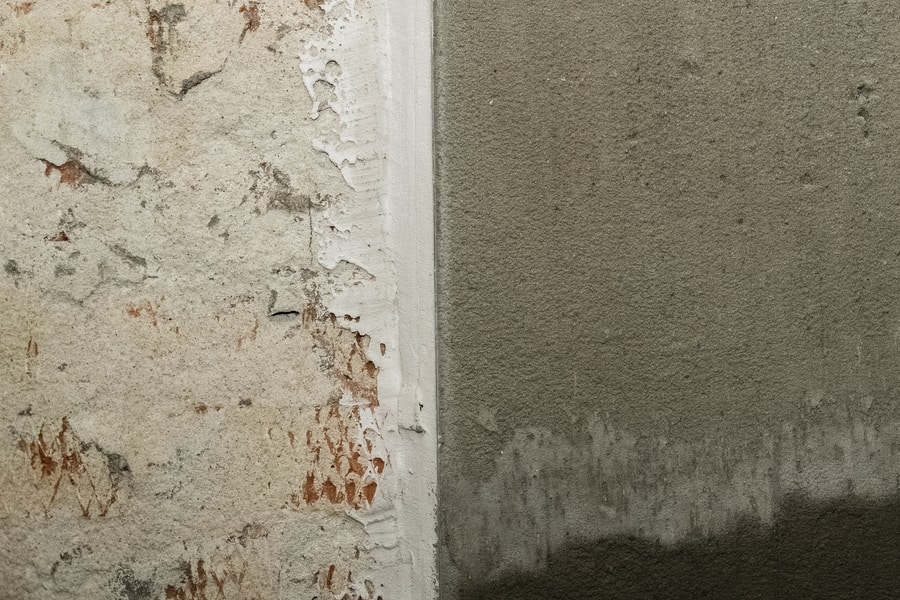
Wire lath installation requires specific attention to detail. The lath must be secured with the correct nail pattern and proper overlap. It provides the mechanical bond that holds the stucco to the wall. Improper lath installation leads to delamination where the stucco separates from the wall.
Flashing around windows, doors, and any penetrations must be installed before the stucco goes on. This directs water away from vulnerable areas. Many contractors skip proper flashing or install it incorrectly, creating pathways for water intrusion that won’t show up until months or years later.
Control joints accommodate the natural expansion and contraction of stucco. They’re placed strategically based on the building’s design and Florida’s temperature fluctuations. Without them, the stucco cracks randomly. With them, any movement happens at controlled locations that can be properly sealed.
The base coats must cure properly between applications. Rushing this process to finish faster creates weak stucco that’s prone to cracking and failure. Florida’s humidity actually helps with curing, but contractors still need to follow proper timing between coats.
Choosing Residential Stucco Contractors Who Deliver Results
Finding reliable residential stucco contractors in Orange County, FL, comes down to verifying credentials, understanding Florida-specific requirements, and recognizing the difference between professional communication and red flags. Your stucco work will only be as good as the contractor you choose.
Look for licensed and insured contractors with specific experience in Florida’s climate challenges. Verify their credentials independently. Get everything in writing. Don’t accept vague timelines or pressure tactics. Professional contractors welcome your questions and provide transparent answers.
The right contractor understands moisture management, proper preparation, and the importance of quality materials designed for Florida’s humidity and UV exposure. We communicate clearly, maintain clean job sites, and stand behind our work with written warranties. If you’re ready to work with professionals who bring that level of expertise to your project, we serve Central Florida with the reliability and craftsmanship your home deserves.