You’re planning stucco work on your Orange County home, and someone just asked if you pulled a permit. Maybe you’re not sure. Maybe you assumed your contractor handled it. Or maybe you’re wondering if you even need one at all.
Here’s what matters: unpermitted stucco work can cost you thousands when you try to sell your home, get denied by your insurance company, or face violations from the county. But not every stucco project requires a permit, and the rules aren’t always clear. This guide walks you through exactly when you need a stucco permit in Orange County, what Florida building codes require, and how to protect yourself from costly mistakes.
Do I Need a Permit to Stucco My House in Orange County?
The short answer is: it depends on the scope of work. Orange County’s permitting requirements can seem contradictory, which is why so many homeowners get confused.
According to Orange County’s building department, certain stucco work falls under the “do not require a permit” category for repairs and minor work. However, this doesn’t mean all stucco work is exempt. New stucco installations, structural changes, and work exceeding certain square footage thresholds typically require permits.
Other Florida counties have clearer thresholds. For example, Charlotte County requires a permit if you’re working on more than 25 square feet of stucco. Temple Terrace allows stucco work under 501 square feet without a permit. The safest approach in Orange County is to contact the Division of Building Safety before starting any stucco project to confirm whether your specific work requires permitting.
When Stucco Permits Are Mandatory in Florida
Even if Orange County has exemptions for certain work, Florida Building Code sets minimum standards that apply statewide. Permits become mandatory when your stucco work involves structural changes, new construction, or significant repairs that affect the building envelope.
New stucco installation on additions or new structures always requires a building permit. This includes the stucco itself plus related electrical, mechanical, or plumbing work that might be involved. The permit process ensures your installation meets Florida’s strict wind resistance requirements, moisture barrier standards, and proper thickness specifications.
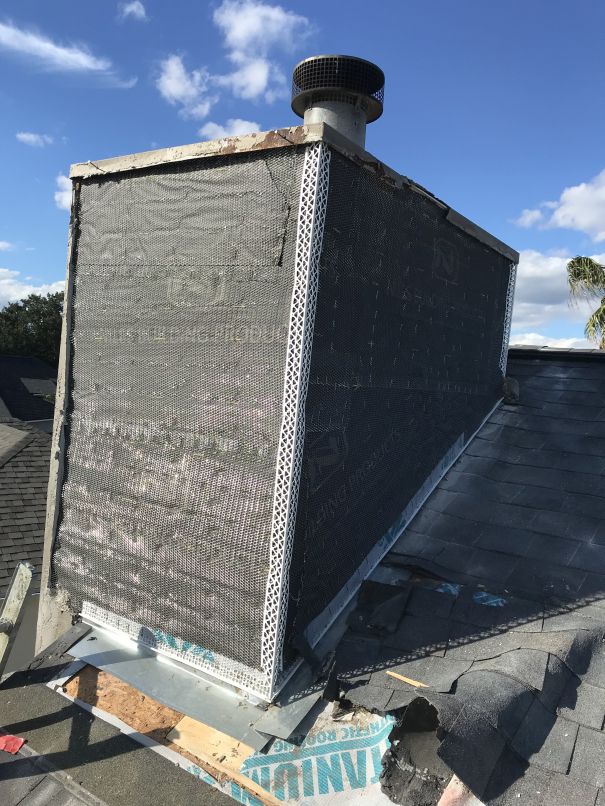
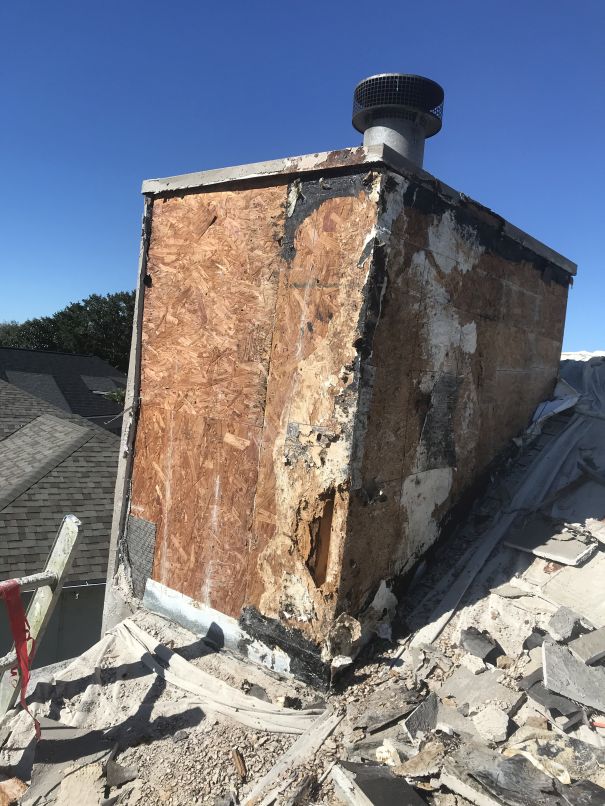
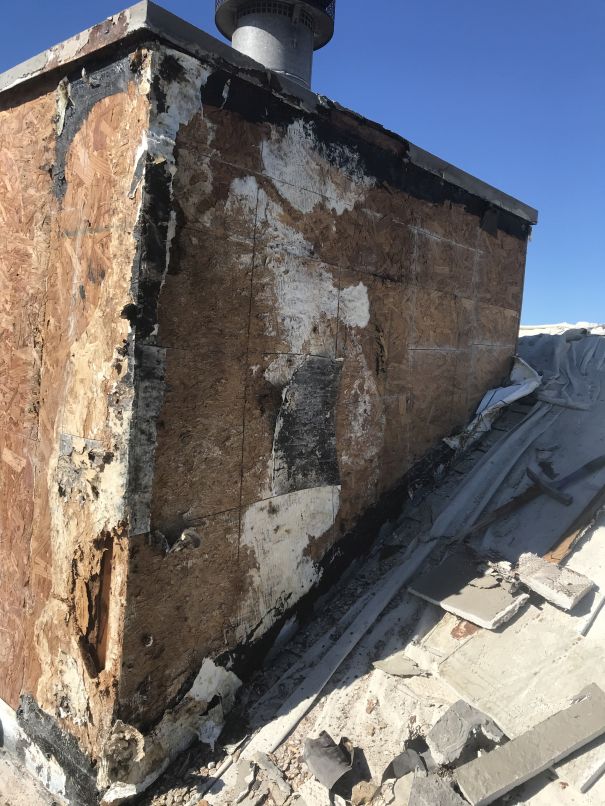
Major stucco repairs that involve removing large sections, replacing underlying materials, or addressing water damage typically require permits as well. If you’re cutting into walls, replacing sheathing, or installing new lath and moisture barriers, you’re doing work that needs inspection. This protects you from hidden problems and ensures the repair actually fixes the underlying issue rather than just covering it up.
Smaller repairs like patching cracks, fixing minor damage, or cosmetic touch-ups generally don’t require permits. But there’s a gray area that trips people up. If your “small repair” turns into discovering rotted framing or extensive water damage, suddenly you’re in permit territory. A licensed contractor knows when to stop and pull permits before the work continues.
The permit requirement isn’t just bureaucracy. It’s your protection. Permitted work gets inspected at key stages to catch problems before they’re buried behind stucco. Inspectors verify that moisture barriers are installed correctly, weep screeds are positioned properly, and the stucco thickness meets code. Without permits and inspections, you have no way to know if the work was done right until something fails years later.
How to Check Orange County Permit Requirements for Your Project
Before you start any stucco work, take 15 minutes to verify whether you need a permit. Orange County makes this relatively easy through their Fast Track online system and building department resources.
Start by visiting the Orange County Permitting Services website or contacting a plan reviewer. Describe your project in detail—how many square feet, whether it’s new installation or repair, and what other work is involved. They’ll tell you if you need a permit and what type. Don’t rely on what your neighbor did or what you read in a Facebook group. Requirements change, and every project is different.
If you do need a permit, Orange County uses the Fast Track Online Services portal for applications. You’ll submit plans, documentation, and pay fees online. For stucco work, you’ll typically need a site plan showing the work location, construction details showing how the stucco will be installed, and proof that your contractor is licensed. The county reviews your application and either approves it or requests revisions.
Once approved, the permit gets issued and work can begin. But here’s the critical part: you need inspections at specific stages. For stucco, this usually includes a pre-stucco inspection to verify the moisture barrier and lath installation, and a final inspection once the stucco is complete. Your contractor schedules these through Fast Track. Don’t let them skip inspections or tell you “it’s fine, we don’t need that one.” Every required inspection must pass for the permit to close properly.
After the final inspection passes, the permit status changes to complete. Keep this documentation forever. When you sell your home, buyers and their agents will pull permit history. Clean, closed permits add value. Open or missing permits create problems that can kill deals or cost you money at closing.
Florida Building Code Stucco Requirements Explained
Florida doesn’t mess around with building codes, especially for exterior systems that protect homes from hurricanes, heavy rain, and intense humidity. The Florida Building Code references specific ASTM standards for stucco installation that contractors must follow whether you’re in Orange County or anywhere else in the state.
Understanding these requirements helps you know what to expect from a quality installation and what inspectors will be checking. You don’t need to become an expert, but knowing the basics protects you from contractors who cut corners.
The code requires specific materials, installation methods, and quality standards. These aren’t suggestions. They’re minimum requirements that every permitted stucco job must meet. When contractors skip permits, they often skip these requirements too, which is exactly why unpermitted work causes so many problems down the road.
Stucco Thickness and Application Standards
One of the most common code violations in Florida is stucco that’s too thin. The Florida Building Code specifies minimum thickness based on the substrate and number of coats. For three-coat stucco over metal lath on wood framing, the minimum total thickness is 7/8 inch. That doesn’t include the finish texture.
This thickness requirement exists for good reason. Thinner stucco cracks more easily, provides less weather protection, and fails prematurely. During the construction boom years, many builders applied stucco at half an inch or less to save time and money. Those homes are now dealing with widespread cracking, water intrusion, and structural damage.
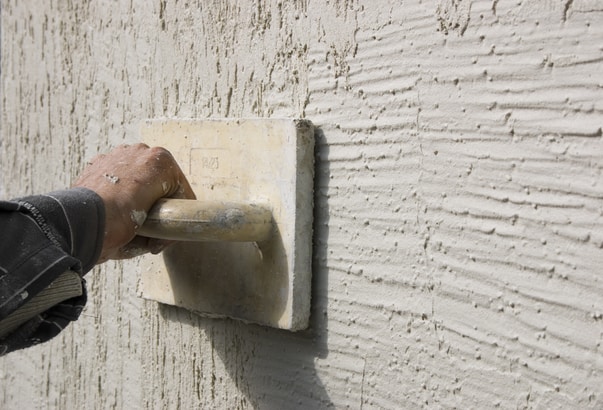
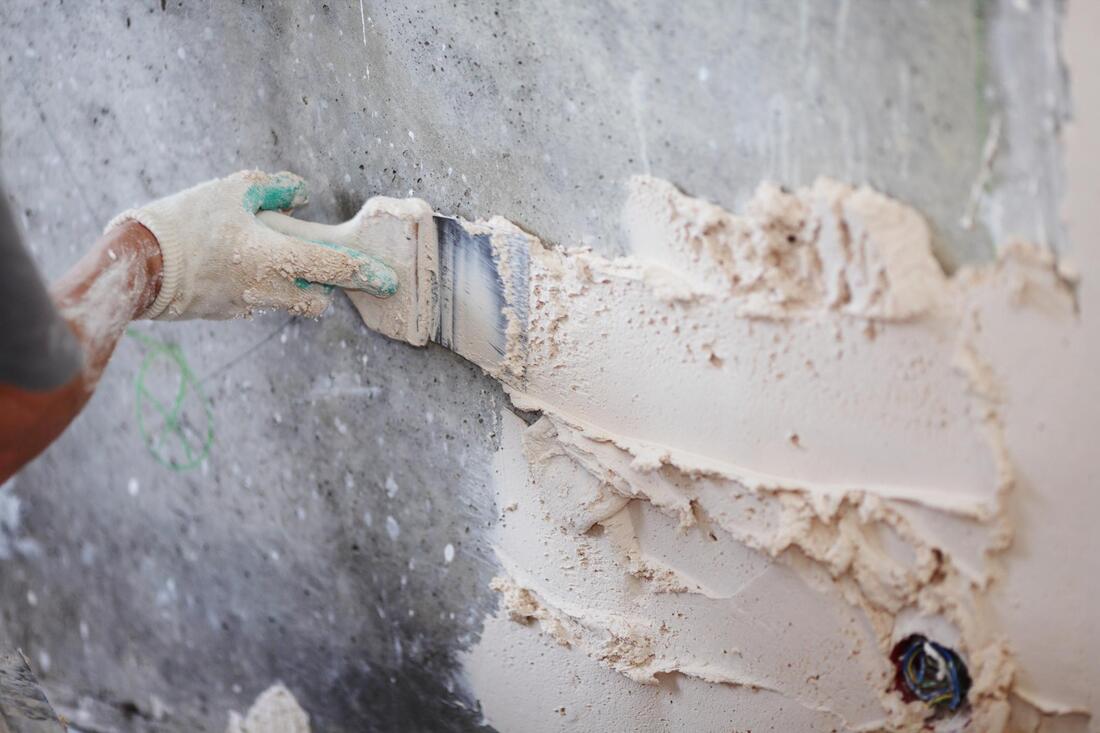
The three-coat system is mandatory over wood framing. The scratch coat goes on first at 3/8 inch thickness and must be scored horizontally. The brown coat adds another 3/8 inch once the scratch coat has cured. Finally, the finish coat adds 1/8 inch plus whatever texture is applied. Each coat must cure properly before the next coat goes on. Rushing this process leads to cracking and delamination.
Over masonry surfaces like concrete block, you can use either a two-coat or three-coat system with different thickness requirements. Two-coat over block requires 1/2 inch total thickness. Three-coat over block needs 5/8 inch. The code also requires a bonding agent on masonry surfaces to ensure proper adhesion.
Inspectors measure thickness during inspections. If your stucco doesn’t meet minimum thickness requirements, it fails inspection. This is why permits matter. Without inspection, you have no way to know if your contractor applied the correct thickness until problems develop years later. By then, fixing it means removing and replacing the stucco entirely, which costs far more than doing it right the first time.
Stucco Weep Screed Code and Installation Requirements
Here’s a code requirement most homeowners have never heard of, but it’s critical for preventing water damage: weep screed. Florida Building Code requires weep screed at the bottom of all wood-framed exterior walls that receive stucco. This isn’t optional, and skipping it is one of the most common violations inspectors find.
Weep screed is a metal or plastic accessory installed at the base of the wall before stucco goes on. It serves multiple purposes. The vertical flange provides a nailing surface and must be at least 3.5 inches tall. The horizontal flange at the bottom creates a drainage plane that allows any moisture that gets behind the stucco to escape. Without weep screed, water gets trapped behind your stucco and rots the framing.
The code specifies exactly how weep screed must be positioned. The bottom edge sits at least 1 inch below where the foundation meets the framing. This allows water to drain out onto the foundation rather than into the wall cavity. The weep screed must maintain at least 4 inches of clearance above soil and at least 2 inches above paved surfaces like driveways or patios. If grade is too high, it needs to be lowered before stucco installation.
The weather-resistant barrier and lath must lap over the vertical flange of the weep screed in a shingle-lap fashion. This means the barrier covers the flange completely and terminates at the top edge of the drainage flange. The lath terminates on the flange as well. This configuration ensures water running down the barrier can exit through the weep holes rather than getting trapped.
Inspectors specifically check weep screed installation during pre-stucco inspections. They verify it’s the correct type, properly positioned, and that the barrier and lath are installed correctly over it. If you’re missing weep screed or it’s installed wrong, the inspection fails. This is exactly the kind of detail that unpermitted work skips, which is why so many Florida homes have moisture problems behind their stucco.
Getting Your Stucco Permit Right in Orange County
Stucco permits in Orange County might seem like a hassle, but they’re your protection against costly problems down the road. Whether you need a permit depends on your specific project, but when in doubt, verify with the building department before work starts.
The consequences of skipping required permits go far beyond a potential fine. Unpermitted work can derail your home sale, get your insurance claim denied, and leave you liable for expensive retroactive permitting and corrections. It’s not worth the risk, especially when working with a licensed contractor who handles permitting as part of their service.
Florida Building Code requirements for stucco exist because this climate is tough on exterior systems. Proper thickness, correct weep screed installation, and quality moisture barriers aren’t optional details. They’re what keeps your home protected from water damage and ensures your stucco lasts decades instead of failing in a few years. If you’re planning stucco work in Orange County, we handle all permitting, ensure code compliance, and deliver the quality installation your home deserves.