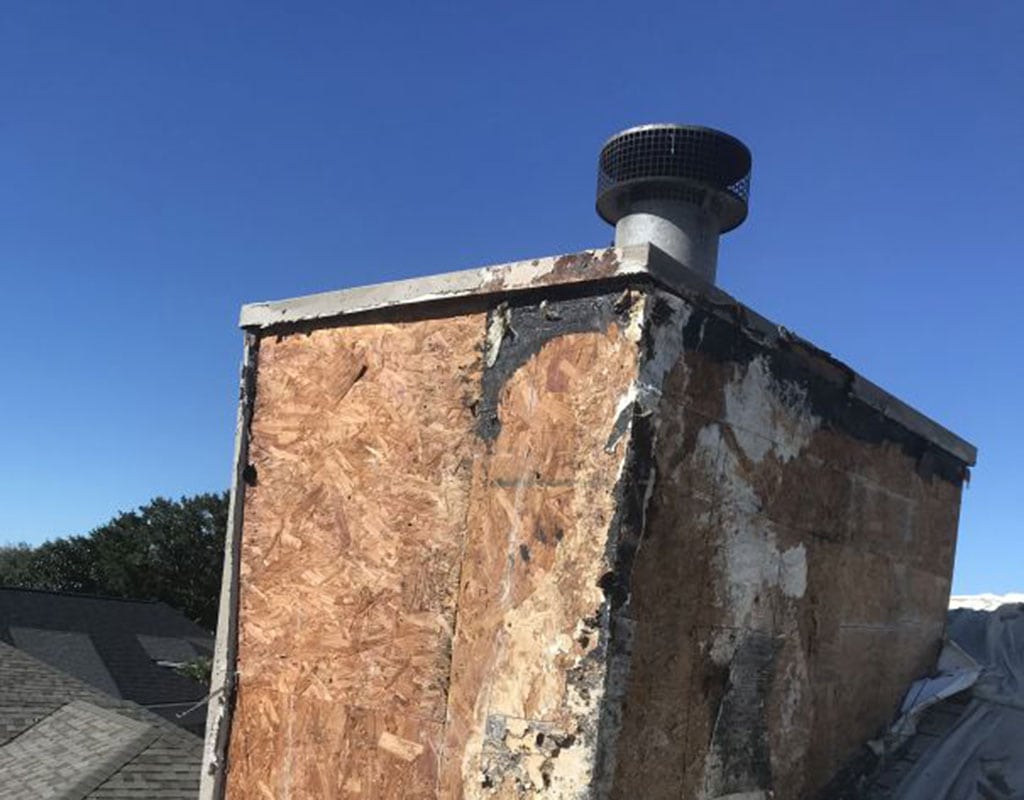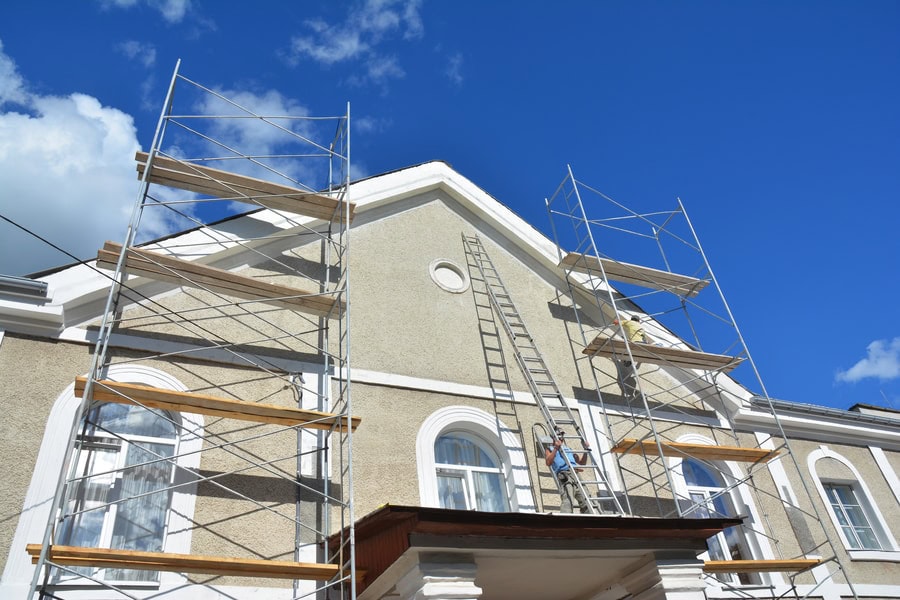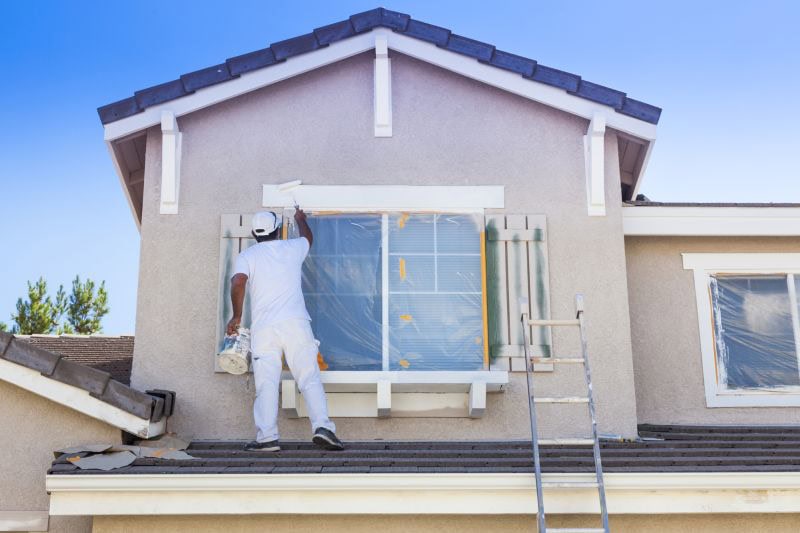
Your stucco might look fine from the street. But if it was installed before 2020—or worse, by a contractor who hasn’t kept up with Florida’s updated building codes—you could be sitting on a problem that won’t show itself until the damage is done.
Florida updated its stucco requirements in 2020 and 2021 for a reason. Central Florida saw thousands of homes with failing stucco, hidden water damage, and repair bills that climbed past $50,000. The new codes target the installation mistakes that caused those failures.
Whether you’re buying, selling, or maintaining a stucco home in Orange County, here’s what the current florida building code stucco requirements actually say—and what happens when contractors ignore them.
What Changed in Florida’s 2020-2021 Stucco Building Code Updates
Florida adopted its 7th Edition Building Code in 2020, which became the foundation for the 8th Edition released in 2023. Both updates pulled from the 2021 International Building Code, but Florida added its own amendments specifically for our climate.
The changes weren’t cosmetic. They addressed the core problems that led to Central Florida’s stucco disaster—the one that cost builders tens of millions and left homeowners dealing with rotted framing, mold growth, and insurance headaches.
The updated code tightened requirements around moisture barriers, drainage systems, and proper material thickness. It also reinforced standards for curing times and application methods that many production builders had been rushing through or skipping entirely during the 2005-2010 construction boom.
Stucco Weep Screed Code Requirements and Drainage Standards
One of the most critical—and most commonly botched—requirements involves weep screeds. These are the metal or plastic accessories installed at the bottom of stucco walls to let trapped water escape.
Under current florida building code stucco requirements, weep screeds must have a minimum vertical flange of 3.5 inches. They need to be installed at or below the bottom plate of wood-framed walls, typically hanging about an inch lower than the bottom plate to allow water to drain onto the foundation rather than sitting against the wood.
Here’s where it gets specific. The weep screed must sit at least 4 inches above bare earth or 2 inches above paved surfaces like concrete or asphalt. Any closer and you risk soil contact or water pooling against the stucco, which defeats the entire drainage system.
The water-resistive barrier—that’s the protective layer behind your stucco—has to lap over the top flange of the weep screed in a shingle-lap fashion. The metal lath or wire mesh then covers and terminates on that same flange. When contractors skip this step or install it backwards, water that gets behind the stucco has nowhere to go. It just sits there, soaking into your wall framing.
In Central Florida’s climate, where we see 50-plus inches of rain annually and humidity that regularly tops 90%, a missing or improperly installed weep screed isn’t a minor issue. It’s a countdown to structural damage.
The stucco weep screed code also requires that these accessories be made from corrosion-resistant materials—galvanized steel, aluminum, stainless steel, or approved plastics. Cheap materials corrode in Florida’s humidity, creating gaps that let water in while blocking proper drainage.
If you’re looking at a home built before these standards were enforced, or if you’re hiring someone for stucco work, this is one of the first things stucco testing specialists check during an inspection.
EIFS Water Damage: Why Synthetic Stucco Requires Extra Attention
EIFS—Exterior Insulation and Finish System—is often called synthetic stucco. It looks like traditional stucco but it’s built completely differently, with six distinct layers including foam insulation board, mesh reinforcement, and a polymer-based finish coat.
The problem? EIFS doesn’t breathe the way traditional stucco does. When water gets trapped behind it—through a crack, a poorly sealed window, or missing flashing—it has no way to escape. The moisture sits against your wall framing, insulation, and sheathing, creating the perfect environment for rot, mold, and structural failure.
EIFS was heavily marketed in the 1990s and early 2000s as a cheaper, more energy-efficient alternative to traditional stucco. Builders loved it because it was faster to install. Homeowners loved the smooth finish and insulation benefits. But when installation wasn’t perfect—and in Florida’s production-building boom, it rarely was—the results were catastrophic.
One national builder set aside more than $40 million just to repair improperly installed EIFS. Homeowners reported property value drops of 20 to 35% once EIFS problems were discovered. Some insurance companies started refusing to cover homes with EIFS or added exclusions that left homeowners on the hook for all repair costs.
The updated Florida building codes now require EIFS installations to include proper drainage systems, verified moisture barriers, and specific flashing details around windows, doors, and roof lines. The goal is to give water an escape route if it gets past the finish layer.
But here’s the reality: if your home has EIFS installed before these stricter requirements, or if it was installed by contractors who didn’t follow manufacturer specifications, you need to know what’s happening behind those walls. Visual inspections often can’t tell you. The damage is hidden until it’s severe.
That’s where eifs water damage testing comes in. Certified inspectors use moisture meters and resistance probes to measure what’s happening inside your walls without tearing everything apart. They’re looking for moisture content percentages, checking the integrity of the substrate, and identifying whether your drainage accessories are actually doing their job.
If you’re buying a home with EIFS in Orange County, this kind of testing isn’t paranoia. It’s due diligence that could save you from a five-figure repair bill six months after closing.
Stucco Testing Specialists and Code Compliance Verification
You can’t verify code compliance by looking at finished stucco. The critical details—the moisture barriers, the lath attachment, the drainage plane, the substrate preparation—are all hidden behind the final coat.
That’s why florida building code stucco requirements now emphasize proper inspection at multiple stages, not just a final walk-through. And it’s why stucco testing specialists have become essential for anyone buying, selling, or repairing a stucco home in Florida.
These aren’t general home inspectors. Certified stucco inspectors are trained specifically in building envelope science. They understand how water moves through wall assemblies, how Florida’s climate accelerates certain types of failure, and what the code actually requires at each layer of installation.
What Professional Stucco Testing Actually Involves
A legitimate stucco inspection starts with a visual assessment. The inspector examines the entire exterior for cracks, discoloration, soft spots, or areas where the stucco is pulling away from the wall. They check every window and door for proper flashing and sealant. They look at roof lines, deck connections, and anywhere two different materials meet—these are the common failure points.
But the visual inspection is just the beginning. The real information comes from moisture testing and resistance probing.
Moisture meters measure the water content inside your walls. Professional-grade equipment reads moisture levels from 1% to 100%, giving an accurate picture of what’s happening behind the stucco. Anything above 20% is a red flag. Above 30% usually indicates active water intrusion and possible rot.
Resistance probes test the structural integrity of the substrate and framing. If the probe goes through wood that should be solid, you’ve got rot. If readings show consistently high moisture in specific areas—around windows, at the foundation line, near roof connections—you’ve found where water is getting in.
Inspectors also verify the existence and condition of code-required details: expansion joints, control joints, weep screeds, kickout flashing at roof lines, and proper caulk joints around all penetrations. They check whether the stucco thickness meets minimum requirements—7/8 inch for three-coat systems over metal lath, 5/8 inch over masonry.
The inspection report documents everything with photos, moisture readings, and specific recommendations. If problems are found, the report identifies whether they’re cosmetic, maintenance issues, or signs of serious code violations that require remediation.
For buyers, this report is leverage. For sellers, it’s proof that the home was properly built or properly repaired. For homeowners dealing with visible problems, it’s the roadmap to fixing things the right way instead of just patching symptoms.
In Orange County, where humidity and rainfall create constant pressure on exterior wall systems, this kind of testing isn’t overkill. It’s the only way to know what you’re really dealing with.
How Code Compliance Affects Insurance and Resale Value
Florida insurance companies have gotten strict about stucco. After paying out massive claims for water damage, rot, and mold from improperly installed stucco and EIFS, many carriers now require proof of code compliance before issuing or renewing policies.
Some insurers offer discounts for homes built after March 2002 that meet current Florida Building Code standards. Others have added EIFS exclusions that refuse to cover any damage related to synthetic stucco, regardless of cause. If your home has EIFS and you can’t prove it was installed correctly with proper drainage, you might struggle to get affordable coverage at all.
Code compliance also directly impacts resale value. Buyers are more educated now about Florida’s stucco problems. They’re asking for stucco inspections as part of due diligence. If an inspection reveals missing weep screeds, improper flashing, inadequate moisture barriers, or evidence of water intrusion, buyers will either walk away or demand price reductions that cover the full cost of remediation.
And remediation isn’t cheap. Removing and replacing stucco on an average home can run $40,000 to $60,000 or more, depending on the extent of hidden damage. If the framing is rotted, if mold remediation is needed, if windows have to be replaced because they were improperly flashed—the costs climb fast.
On the flip side, if you can document that your stucco was installed by a qualified contractor following current code requirements, or that it’s been properly inspected and any issues were corrected to code, that documentation protects your investment. It gives buyers confidence. It satisfies insurance underwriters. It proves you’re not selling someone else a problem.
For homeowners in Orange County planning stucco repairs or new installation, insisting on code-compliant work isn’t just about following rules. It’s about protecting the value of your home and avoiding insurance complications down the road.
The contractors who cut corners or use outdated methods might be cheaper up front. But when their work fails inspection, gets flagged by an insurance company, or shows up as a problem during a sale, that “savings” evaporates fast.
Protecting Your Home with Code-Compliant Stucco Work
Florida’s updated building code requirements for stucco exist because too many homes failed too badly. The standards around moisture barriers, drainage systems, weep screed installation, and proper application methods aren’t arbitrary—they’re responses to real problems that cost real money.
If you own a stucco home in Orange County, understanding these requirements helps you make better decisions about maintenance, repairs, and renovations. If you’re buying, it gives you the knowledge to ask the right questions and demand proper inspections. If you’re hiring a contractor, it lets you separate the professionals who stay current with code from the ones still doing things the way they did in 2005.
The stakes are too high to guess. Hidden water damage, rotted framing, insurance denials, and resale complications aren’t theoretical—they’re happening to homeowners across Central Florida right now.
Working with a contractor who understands florida building code stucco requirements, who installs proper drainage systems, and who can document code compliance isn’t about finding the cheapest bid. It’s about protecting one of your biggest investments from problems that are expensive to fix and often impossible to see until the damage is done.
We’ve spent over 20 years at CF Stucco and Painting working specifically with Central Florida’s climate challenges and building code requirements. When the work is done right, your stucco does what it’s supposed to do—protect your home, maintain your property value, and give you peace of mind.