March in Central Florida means two things: spring weather and the countdown to hurricane season. If your home has a stucco exterior, these next few months matter more than you might think. Small cracks you’re ignoring right now could become entry points for wind-driven rain when the first tropical system spins up in August. Moisture that’s already hiding behind your walls could be quietly eating away at the structure beneath. The good news? Spring maintenance done right puts you ahead of both problems. You’ll know exactly what your exterior needs, when to handle it, and why waiting until May or June makes everything harder and more expensive.
Why Spring Stucco Maintenance Matters in Orange County, FL
Spring maintenance isn’t about aesthetics. It’s about catching problems while they’re still fixable and timing repairs before everyone else realizes they need the same work done.
Hurricane season officially starts June 1 and runs through November 30, with peak activity hitting between mid-August and October. That gives you a narrow window to inspect, assess, and repair your stucco before storms form. But here’s what most homeowners don’t realize: contractor schedules in Central Florida fill up by mid-May. Material lead times run two to four weeks. If you wait until the first tropical depression appears on the radar, you’re already too late.
Florida’s climate puts unique stress on stucco year-round. High humidity, intense UV exposure, thermal expansion from daily temperature swings, and heavy rainfall all contribute to deterioration. Cracks that look minor in March can widen significantly by September. Moisture that’s barely noticeable now can turn into mold, rot, and structural damage by the time hurricane season peaks.
Hurricane Damage Prevention Starts With Understanding Your Vulnerabilities
Wind-driven rain during hurricanes doesn’t behave like normal rainfall. It comes sideways at high velocity, finding every gap, crack, and weak point in your exterior. Stucco that looks fine under normal conditions can fail catastrophically when hit with sustained winds and horizontal rainfall for hours.
The most vulnerable areas are always the transitions—where your stucco meets windows, doors, roof lines, and foundation. These junctions rely on proper flashing, sealants, and caulking to keep water out. Over time, caulk deteriorates, flashing shifts, and small gaps develop. You won’t notice them until water starts showing up inside your home.
Cracks are the other major vulnerability. Florida’s composition, application, and maintenance practices all affect how well stucco resists water. Even properly installed stucco develops hairline cracks as homes settle and materials age. These cracks might measure less than 1/16 inch, but they’re still pathways for moisture. During a hurricane, water doesn’t just seep—it gets driven deep into the wall system under pressure.
Moisture that penetrates your stucco doesn’t just damage the surface. It soaks into the underlying structure, causing wood rot, mold growth, and weakening of the entire wall assembly. By the time you see interior stains or smell mustiness, the damage has been progressing for weeks or months. That’s why prevention matters more than reaction.
The other factor most homeowners overlook is drainage. Poor drainage around your foundation means water pools against your stucco, creating constant moisture exposure. Clogged gutters overflow and soak the walls. Landscaping that’s too close traps humidity against the surface. These chronic moisture issues compound during hurricane season when rainfall totals can exceed 10-15 inches in a single storm event.
Understanding these vulnerabilities helps you prioritize what to inspect and what to fix. Not every crack needs immediate attention, but knowing which ones do—and addressing them before June—can mean the difference between minor maintenance and major reconstruction.
Stucco Crack Prevention: What You Can Control
You can’t prevent every crack. Homes settle, temperatures fluctuate, and stucco is a cement-based material that naturally shrinks as it cures. But you can control how quickly small cracks become big problems.
The key is understanding crack types. Hairline cracks under 1/16 inch are common and often cosmetic, especially around windows and doors where slight movement occurs. These should still be monitored and sealed, but they don’t typically indicate structural issues. Cracks between 1/16 and 1/8 inch need attention—they’re wide enough to allow moisture penetration but can usually be repaired with proper sealants. Anything over 1/8 inch, especially horizontal cracks or stair-step patterns, signals potential structural movement and requires professional evaluation immediately.
Preventing crack expansion starts with addressing the root causes. If your foundation is shifting due to soil movement—common in Florida with our sandy, moisture-variable soils—cracks will keep appearing no matter how many times you patch them. If your stucco was applied too thin or without proper curing time between coats, it’s more prone to cracking under stress. If drainage issues keep your walls constantly damp, freeze-thaw cycles (yes, even in Florida during cold snaps) and moisture expansion will create new cracks.
The most effective prevention strategy is proactive sealing. Once you’ve identified and repaired existing cracks, applying a quality elastomeric coating or waterproof sealant creates a flexible barrier that moves with the stucco as it expands and contracts. These coatings are specifically designed for Florida’s climate—they block water while allowing vapor to escape, preventing moisture from getting trapped inside the wall.
Timing matters here too. Sealants and coatings need proper curing time and dry conditions to bond correctly. Applying them during Florida’s rainy season or right before a storm doesn’t work. Spring—with its generally drier weather before summer thunderstorms ramp up—provides the ideal application window.
Regular maintenance also plays a role in crack prevention. Cleaning your stucco two to three times per year removes dirt, mildew, and organic growth that can trap moisture against the surface. Trimming landscaping away from walls improves airflow and reduces humidity. Ensuring gutters and downspouts direct water away from your foundation eliminates one of the primary causes of stucco deterioration.
The reality is that some cracks are inevitable, but their impact isn’t. Catching them early, sealing them properly, and addressing the underlying causes keeps minor maintenance from becoming emergency repairs. And when hurricane season arrives, you’ll know your exterior is as ready as it can be.
Stucco Inspection Checklist for Hurricane Preparedness
Inspection is where preparation actually begins. You need to know what you’re looking at, what matters, and what requires professional attention versus what you can handle yourself.
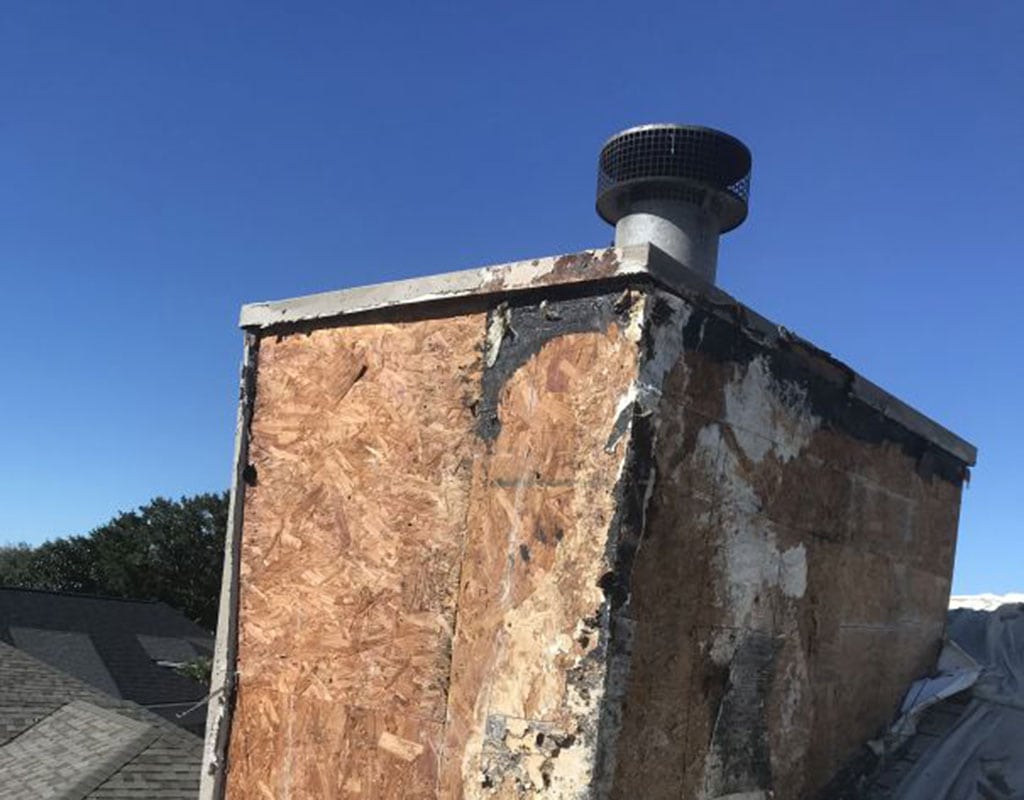
Start with a visual walk-around of your entire exterior. Look for obvious issues first: cracks, discoloration, bulging or soft spots, areas where the stucco is pulling away from the wall, and any visible mold or mildew growth. Pay special attention to the areas around windows and doors, at the base where stucco meets foundation, and along roof lines where flashing transitions occur.
Cracks get the most attention, but discoloration tells an equally important story. Dark streaks, especially around windows or at the base of walls, usually indicate water intrusion. Yellow or brown staining suggests moisture damage beneath the surface. White, chalky deposits (efflorescence) mean water is moving through the stucco and bringing salts to the surface—a clear sign of moisture problems.
What Homeowners Can Inspect vs. What Needs Professional Assessment
The basic visual inspection is something any homeowner can do. Walk your property with a notepad and camera. Document every crack, stain, or concerning area you find. Tap the stucco gently with your knuckles in different areas—it should sound solid. If you hear a hollow sound, the stucco may have separated from the underlying structure, which is a serious issue that needs professional evaluation.
Check all the caulking around windows, doors, vents, light fixtures, and any other penetrations through your stucco. Caulk should be intact, flexible, and fully adhered. If it’s cracked, peeling, or missing, water can get behind your stucco at these vulnerable points. This is something you can often address yourself with quality exterior-grade caulk designed for stucco applications.
Look at your drainage systems. Are gutters clean and flowing properly? Do downspouts direct water at least five feet away from your foundation? Is there standing water near your walls after rain? These drainage issues contribute to stucco problems and are usually straightforward to fix.
Where DIY inspection ends is moisture testing and invasive evaluation. You can see surface problems, but you can’t see what’s happening behind the stucco without specialized equipment. Professional inspectors use moisture meters to detect water content in the underlying structure. They use thermal imaging to identify temperature differences that indicate moisture intrusion or missing insulation. If they find concerning readings, invasive inspection involves drilling small holes to directly examine the condition of the moisture barrier, sheathing, and framing.
Professional assessment becomes necessary when you find cracks wider than 1/8 inch, widespread discoloration suggesting extensive moisture problems, hollow-sounding areas indicating delamination, or if previous DIY repairs have failed. It’s also essential if you’re buying or selling a home with stucco, or if you’ve never had a professional inspection and your home is more than 10-15 years old.
The cost of professional stucco inspection in Central Florida typically ranges from $300 to $800 depending on home size and inspection depth. That’s a fraction of what major repairs cost—and it gives you definitive answers about your home’s condition before hurricane season starts.
The Spring Inspection Timeline That Keeps You Ahead of Hurricane Season
Timing your inspection and subsequent repairs correctly is just as important as the inspection itself. Here’s the reality of contractor availability in Orange County, FL: by mid-May, every reputable stucco contractor is either fully booked or working through a waitlist. Material suppliers start running low on popular items. And once the first tropical system forms, everyone who’s been procrastinating suddenly calls at once.
March is the ideal month for your initial inspection. Weather is generally dry, contractors aren’t yet overwhelmed, and you have time to get multiple quotes if repairs are needed. If your inspection reveals issues, you can schedule repair work for April or early May, ensuring everything is completed and cured before June 1.
April is when repair work should happen. This gives materials proper curing time before summer humidity and thunderstorms arrive. Stucco repairs need specific conditions to cure correctly—not too hot, not too humid, and definitely not wet. April weather in Central Florida generally cooperates. Sealants and coatings also need dry conditions and time to bond before exposure to rain.
May is your buffer month. If unexpected issues came up during April repairs, you still have time to address them. It’s also when you should do your final pre-season check: confirm all repairs are holding up, caulking is intact, drainage systems are working, and your exterior is truly ready. After May, you’re in hurricane season mode—monitoring forecasts, not scheduling preventive maintenance.
This timeline also aligns with the My Safe Florida Home program and similar grant opportunities that help homeowners fund hurricane mitigation improvements. Applications take time to process, and work must be scheduled around approval timelines. Starting your inspection in March gives you the flexibility to pursue these funding options if eligible.
The homeowners who fare best during hurricane season are the ones who treated spring as preparation season. They didn’t wait for storm warnings to start thinking about their exterior. They didn’t assume everything was fine without actually checking. And they didn’t procrastinate until contractors were unavailable and materials were scarce. They simply took action when action was easy—and that made all the difference when storms arrived.
Getting Your Stucco Hurricane-Ready: Next Steps
Hurricane preparedness isn’t about panic. It’s about process. You now know what to look for, when to look for it, and why spring timing matters more than last-minute scrambling.
Start with your visual inspection this week. Document what you find. If you see cracks wider than 1/8 inch, widespread moisture staining, or hollow-sounding areas, schedule a professional assessment. If everything looks relatively good but you see minor cracks and aging caulk, you can likely handle basic maintenance yourself or schedule minor repairs.
The key is taking action while you have options. March and April give you the flexibility to be thorough, get competitive quotes, and ensure quality work. By the time June arrives and hurricane season officially begins, your stucco should be sealed, repaired, and ready to handle whatever the Atlantic throws at Central Florida.
At CF Stucco and Painting, we bring over 20 years of specialized experience to every project throughout Orange County, FL. We understand exactly what Central Florida’s unique conditions demand from your stucco—and how to make sure it’s ready when storms form.