You’re not just looking for house painter cost numbers. You’re trying to figure out if that estimate makes sense, if the contractor knows what they’re doing, and whether you’re about to waste money on a paint job that peels in 18 months because they used the wrong primer for Florida humidity. The price matters, sure—but what you get for that price matters more. Especially when your home sits in a climate that treats cheap paint jobs like a stress test. Let’s talk about what actually drives costs in Orlando, what quality work includes, and how to tell if you’re looking at a real estimate or a lowball that’s about to cost you double.
What Affects House Painter Cost in Orlando
House painter cost in Orlando isn’t pulled from thin air. It’s based on how much surface you’re covering, what condition it’s in, and what it takes to make paint actually stick in a place where humidity hovers above 70% half the year.
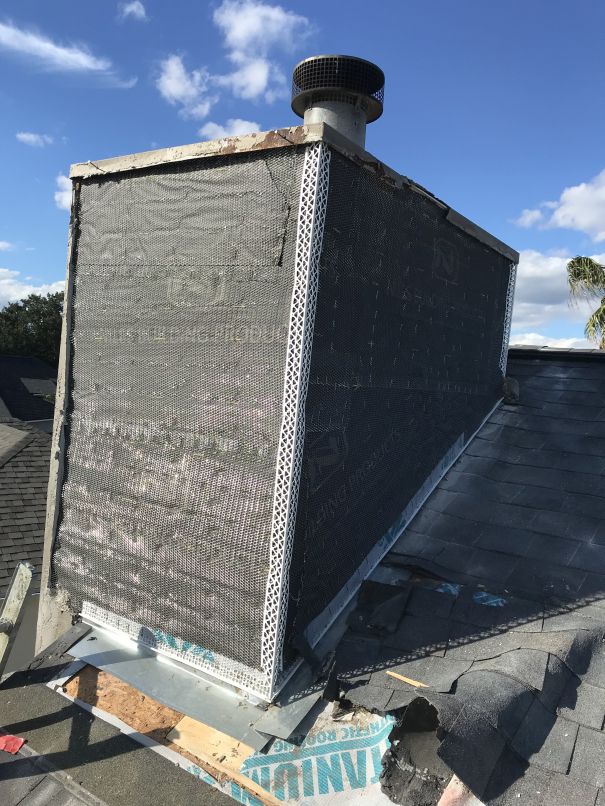
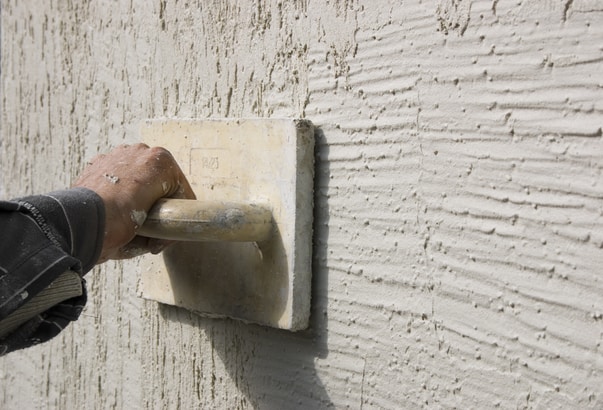
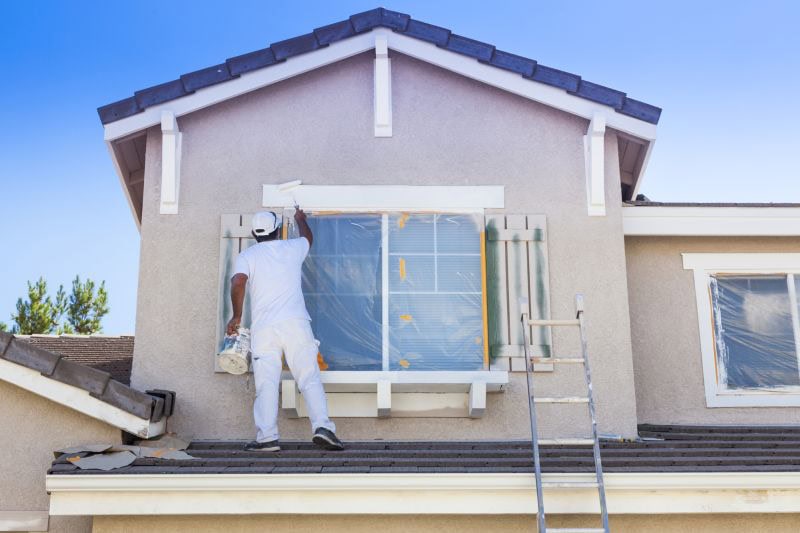
Size matters most. A 1,500 square foot single-story home costs less to paint than a 3,000 square foot two-story, not just because there’s more wall, but because height adds scaffolding, setup time, and safety equipment. Stucco homes—common across Central Florida—often cost more to paint than vinyl or wood siding because the texture soaks up more material and requires specific prep work to avoid cracking.
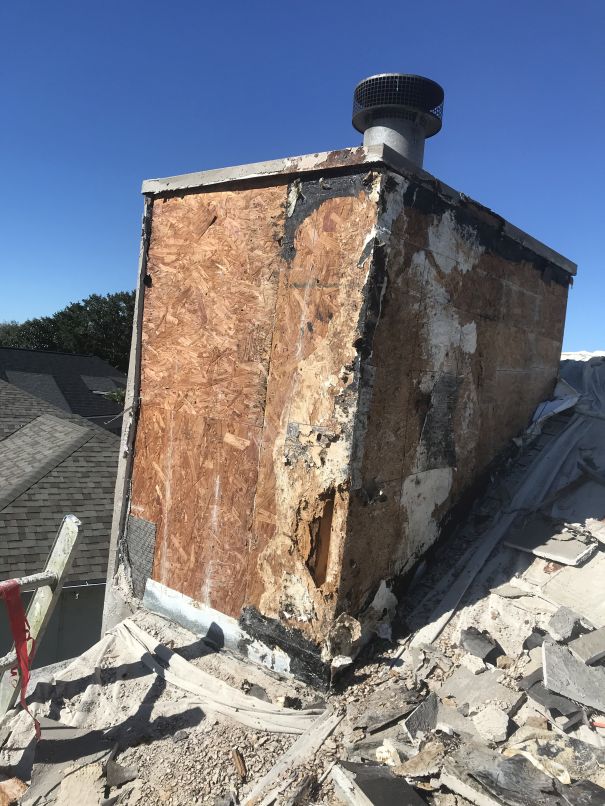
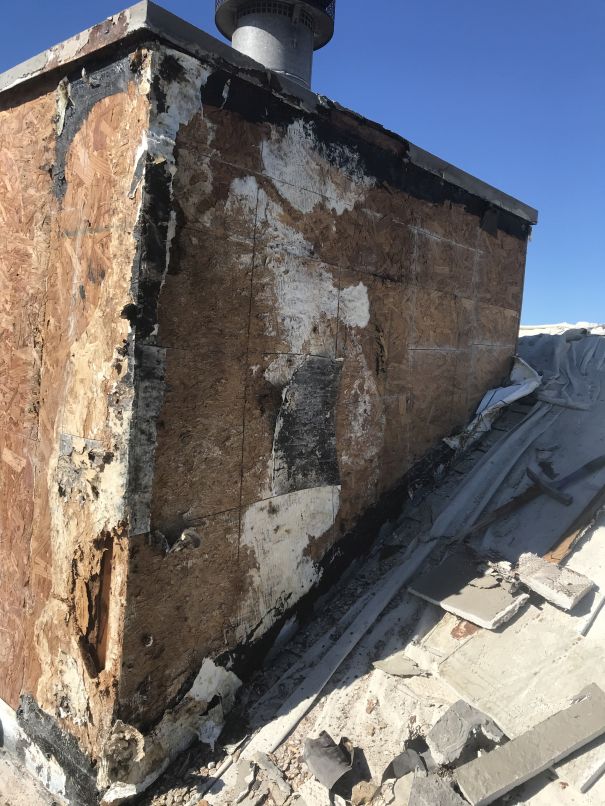
Then there’s prep. The difference between a paint job that lasts seven years and one that fails in two usually comes down to what happens before the first coat goes on. Pressure washing, scraping loose paint, filling cracks, priming bare spots—that’s where the hours go, and that’s what separates contractors who know Florida from ones who think paint is paint.
Exterior Painting Contractors Near Me: Why Local Expertise Matters
When you search for exterior painting contractors near me, you’re not just looking for someone close by. You’re looking for someone who understands that Orlando’s climate is a different animal. Intense UV exposure breaks down paint binders faster here than in most of the country. Afternoon thunderstorms and high humidity create conditions where moisture gets trapped under paint films if the surface wasn’t prepped correctly. And if your contractor doesn’t know that acrylic latex with mildew resistance is the baseline—not a premium upgrade—you’re going to see black streaks on your north-facing walls within a year.
We’ve worked in Central Florida for over 20 years, and we know which paints hold up, which surface conditions need elastomeric coatings, and when to schedule work around the rainy season. We know that lighter colors reflect heat and fade less under constant sun. We understand that stucco needs to be sealed properly or water intrusion becomes a bigger problem than faded paint. That knowledge doesn’t show up in an estimate line item, but it shows up in how long your paint job lasts.
The cost difference between a contractor who gets this and one who doesn’t might be a few hundred dollars on the front end. The difference in results is thousands of dollars and a few years of your life. You’re not paying extra for local expertise—you’re avoiding the cost of doing it twice.
Exterior painting in Orlando also means dealing with surfaces that expand and contract with temperature swings. A paint that’s too rigid cracks. One that’s too thin doesn’t protect the substrate underneath. The right contractor matches the coating to the surface and the exposure, whether that’s south-facing stucco that bakes all day or shaded wood trim that stays damp. It’s not complicated, but it requires experience that only comes from working in this specific climate.
And when something goes wrong—a sudden storm, an unexpected repair, a color that doesn’t look right on the wall—local contractors are accountable. We’re not three counties away. We answer our phone. We come back if there’s an issue. That’s worth something when you’re trusting someone with the exterior of your home.
Breaking Down the Real Numbers: What You’re Actually Paying For
Let’s talk real numbers. Exterior house painting in Orlando typically runs between $4,000 and $12,000 for most homes, with the average project landing around $2,500 to $3,300. Interior painting ranges from $3,000 to $8,000 depending on how many rooms and how much trim. Those ranges are wide because every home is different, but the cost per square foot usually falls between $1.15 and $3.15 for exteriors.
Labor makes up 80% to 95% of your total cost. You’re not paying for paint—you’re paying for the skill, time, and equipment it takes to apply it correctly. That includes setup, surface prep, masking, priming, painting, cleanup, and making sure your landscaping doesn’t get destroyed in the process. For a crew of two or three painters, expect $20 to $80 per hour per person, though most contractors quote by the job, not the hour.
Materials account for the rest. Quality exterior paint designed for Florida’s climate runs $50 to $70 per gallon, compared to $25 for basic big-box store paint. The difference isn’t just marketing—it’s resin content, UV inhibitors, mildew resistance, and flexibility. Cheap paint might save you $200 upfront, but it’ll cost you a repaint in three years instead of seven.
Then there are the variables. Two-story homes cost up to 50% more than single-story because of the extra equipment and time required to reach higher surfaces safely. Stucco costs more to paint than vinyl because it’s porous and textured. Homes with a lot of trim, shutters, or detailed millwork take longer and cost more because precision work can’t be rushed. And if your paint is peeling, cracking, or bubbling, that surface needs to be stripped and repaired before new paint goes on, which adds to the scope.
Some contractors include everything in one price—prep, paint, labor, cleanup. Others break it out line by line. Neither approach is wrong, but you need to know what’s included so you’re comparing apples to apples. Ask if the estimate covers pressure washing, caulking, primer, two coats of finish, and cleanup. If it doesn’t specify, assume it doesn’t include it.
One more thing: if a quote comes in 40% lower than everyone else, that’s not a deal—that’s a red flag. It usually means they’re skipping prep, using subpar materials, or planning to upsell you once they’re halfway through. Quality work costs what it costs, and contractors who consistently deliver results don’t have to lowball to stay busy.
Commercial Exterior Painting Contractors: What Businesses Need to Know
Commercial exterior painting contractors work on a different timeline and a different set of priorities than residential crews. Businesses can’t afford to shut down for a week while painters work during peak hours, which means scheduling around operations, working nights or weekends, and coordinating with property managers or tenants.
The scope is usually larger. A retail strip, office building, or warehouse covers more square footage than most homes, and the surfaces—concrete, metal siding, stucco, brick—require different coatings and prep methods. Commercial jobs also tend to involve more logistics: permits, HOA approvals, insurance certificates, safety protocols, and sometimes color schemes that need to match corporate branding.
Cost for commercial projects is typically quoted per square foot or as a flat project rate, depending on complexity. Expect to pay more per square foot than residential work because of the coordination, equipment, and specialized coatings involved. But the ROI is clear: a well-maintained exterior attracts customers, retains tenants, and protects the building from weather damage that leads to expensive repairs.
Why Licensed and Insured Matters More Than You Think
Hiring an unlicensed or uninsured painter might save you a few hundred dollars. It might also make you personally liable if someone gets hurt on your property, leave you with no recourse if the work is shoddy, and void any warranties on the paint itself.
Licensed contractors have demonstrated a baseline level of competence and are bound by the terms of their contract. If they fail to meet those terms, their license is at risk. That’s accountability. Insured contractors carry general liability insurance, which covers property damage, and workers’ compensation insurance, which covers injuries to their crew. If a painter falls off a ladder on your property and they’re not insured, guess who’s paying the medical bills? You are.
It’s not just about worst-case scenarios. Licensed and insured contractors are more likely to have established business practices, trained employees, and a reputation to protect. They’re not working out of the back of a truck, hoping to finish your job before moving to the next county. They’re local, accountable, and invested in doing work that holds up.
Ask to see proof of insurance and verify it’s current. Ask for their license number and check it with the state. It takes five minutes and it could save you from a legal nightmare or a paint job that fails in a year with no one to call.
And if a contractor hesitates to provide that information or says they’re “working on it,” move on. There are plenty of qualified professionals who have their paperwork in order and won’t put you at risk.
How to Spot a Quality Estimate vs. a Lowball Trap
Not all estimates are created equal. Some are detailed, transparent, and give you a clear picture of what you’re getting. Others are vague, suspiciously cheap, and designed to get you to sign before you ask too many questions.
A quality estimate specifies the scope of work: which surfaces are being painted, how many coats, what type of paint, what prep work is included, and what the timeline looks like. It lists materials by brand and product line so you know you’re not getting bargain-bin paint. It includes labor, equipment, and any additional services like pressure washing, caulking, or minor repairs. And it’s written in plain language, not contractor jargon that requires a decoder ring.
A lowball estimate, on the other hand, is usually a single number with little explanation. It might say “exterior painting” without specifying how much prep, how many coats, or what happens if they find rot or damage. It’s designed to look cheap so you’ll say yes, and then the change orders start piling up once work begins.
Red flags to watch for: contractors who ask for more than half the payment upfront, estimates that don’t include a timeline, quotes that are 30% to 40% lower than everyone else without explanation, and contractors who pressure you to sign immediately or claim the price is only good today. Quality contractors don’t operate that way because they don’t have to—they’re busy enough with repeat customers and referrals.
Ask questions. What brand of paint are you using? How many coats? What prep work is included? What happens if you find damage? How long will this take? A good contractor will answer clearly and won’t get defensive. A bad one will dodge, deflect, or try to move you past the details.
Get at least three estimates and compare them side by side. Look for consistency in scope, not just price. If two contractors are quoting $8,000 and one is quoting $4,500, find out what the cheaper one is leaving out—because they’re leaving something out.
And finally, trust your gut. If a contractor shows up late, doesn’t take notes, talks more than they listen, or makes you feel rushed, that’s how the whole project is going to go. You’re not just hiring a price—you’re hiring a process, a team, and a relationship that’s going to last several days or weeks. Make sure it’s one you can live with.
Finding the Right Painting Contractor in Orlando
House painter cost in Orlando varies, but quality doesn’t have to be a gamble. You’re looking for a contractor who understands Florida’s climate, uses the right materials, prepares surfaces properly, and stands behind their work with licensing, insurance, and a track record you can verify. That’s not asking for too much—that’s asking for the baseline.
The cheapest estimate isn’t the best deal if it fails in two years. The most expensive one isn’t automatically better if they’re charging for things you don’t need. The right contractor is the one who listens, explains what they’re doing and why, and treats your home like it’s their own.
If you’re ready to move forward with a team that’s been serving Central Florida for over 20 years, knows how to handle stucco and exterior surfaces in this climate, and has the reviews and credentials to back it up, we’re here to start that conversation.