You’re standing in your bathroom, watching a YouTube tutorial on waterproofing, thinking this looks manageable. Roll on some membrane, let it dry, tile over it. Done by Sunday.
Here’s what those videos don’t show: the hidden prep work, the Florida building code requirements nobody mentions, the precise application techniques that separate a five-year patch job from thirty-year protection. And they definitely don’t show you the $15,000 repair bill when that DIY waterproofing fails silently behind your beautiful new tile.
Bathroom waterproofing in Central Florida isn’t a forgiving project. Our climate finds every shortcut. Let’s talk about what this work actually involves and what it costs when it goes wrong.
What Bathroom Waterproofing Actually Requires
Bathroom waterproofing creates a continuous moisture barrier beneath your tile and fixtures. Not on top. Not just around the shower pan. Underneath everything, forming a sealed envelope that stops water before it reaches wood, drywall, or concrete.
That membrane you see at the home improvement store? It’s one piece of a system that includes surface preparation, proper drainage slope, reinforced corners, sealed penetrations, and compatibility with whatever tile adhesive you’re using. Miss any of those elements and water finds the gap.
Florida’s building codes require certified waterproofing systems in showers and wet areas for a reason. High humidity, torrential summer rains, and year-round moisture exposure mean your bathroom faces conditions that turn minor installation mistakes into major structural problems.
Why Florida Building Codes Changed for Bathroom Waterproofing
Florida updated its waterproofing requirements because homes across Central Florida were developing the same pattern: beautiful bathrooms hiding catastrophic water damage. The new standards aren’t suggestions. They’re responses to real failures that cost homeowners millions.
Your shower floor needs minimum slope so water drains instead of pooling. Your walls need waterproofing extending at least 70 inches above the drain—not just the wet areas you can see. Every corner, every pipe penetration, every mixing valve needs specific sealing methods. The membrane itself must meet ANSI standards for thickness, flexibility, and sustained water resistance.
Professional installers in Orange County, FL work with these requirements daily. We understand that Florida’s humidity means concrete stays damp longer than the standard 28-day cure time. We know which primers actually bond to our substrates. We’ve torn out enough failed DIY jobs to recognize the warning signs before installation even starts.
Building inspectors check for compliance because improper waterproofing voids warranties and creates liability. Your homeowner’s insurance might cover a burst pipe, but gradual damage from installation that doesn’t meet code? That’s on you. The full repair cost, any damage to neighboring units if you’re in a condo, all of it.
The code updates also specify which products qualify. Not every membrane at the store meets Florida standards. Professional-grade systems are engineered for sustained moisture exposure and tested for decades of performance. Consumer products might look identical but lack the specifications that inspectors require and that Central Florida’s climate demands.
What DIY Bathroom Waterproofing Actually Costs When It Fails
A DIY waterproofing kit costs $200-$500. Professional installation runs $1,500-$3,000 for most bathrooms. That price difference looks like savings until you understand what happens when waterproofing fails.
Water damage repairs average $10,000 to $30,000 once you factor in demolition, subfloor replacement, mold remediation, and reinstallation. That’s not worst-case pricing. That’s typical for a bathroom where the waterproofing didn’t work and nobody caught it early.
The failure pattern is predictable. You apply membrane, tile over it, grout looks perfect. Six months later there’s a faint musty smell you ignore. A year in, grout lines start cracking near the shower. Eighteen months and the floor feels soft in one spot. By the time you see obvious evidence, water has been seeping into your walls and subfloor for over a year.
What makes DIY waterproofing particularly risky in Florida is you don’t know what you don’t know. We spot substrate problems before touching membrane. We recognize when concrete hasn’t fully cured or when there’s existing moisture that needs addressing first. We understand that our humidity affects every product’s drying time and performance.
Common mistakes: Applying membrane too thin. Missing the critical transition where walls meet floors. Using tile adhesive that isn’t compatible with the waterproofing system. Skipping the flood test because it seems excessive. Not extending protection high enough on shower walls. Each creates a vulnerability. Water is patient.
Then there’s time. Professional crews complete bathroom waterproofing in one to two days. DIY takes multiple weekends—assuming you don’t make mistakes requiring complete removal and restart. Your bathroom is unusable during this period. Your family is inconvenienced. And if you got any step wrong, you’ve invested weeks into work that’s failing behind your tile.
Insurance adjusters are trained to spot non-compliant waterproofing. More companies are denying claims when they discover DIY installation that doesn’t meet building codes. You might have coverage for sudden failures, but gradual damage from improper installation gets classified as maintenance negligence.
How Professional Waterproofing Installation Works
Professional bathroom waterproofing starts before any membrane gets applied. The substrate gets inspected for moisture content, structural integrity, and proper slope. Concrete needs adequate cure time—often longer than two weeks in Central Florida’s humidity. Cracks get repaired with compatible materials. Surfaces get cleaned and primed exactly per manufacturer specs.
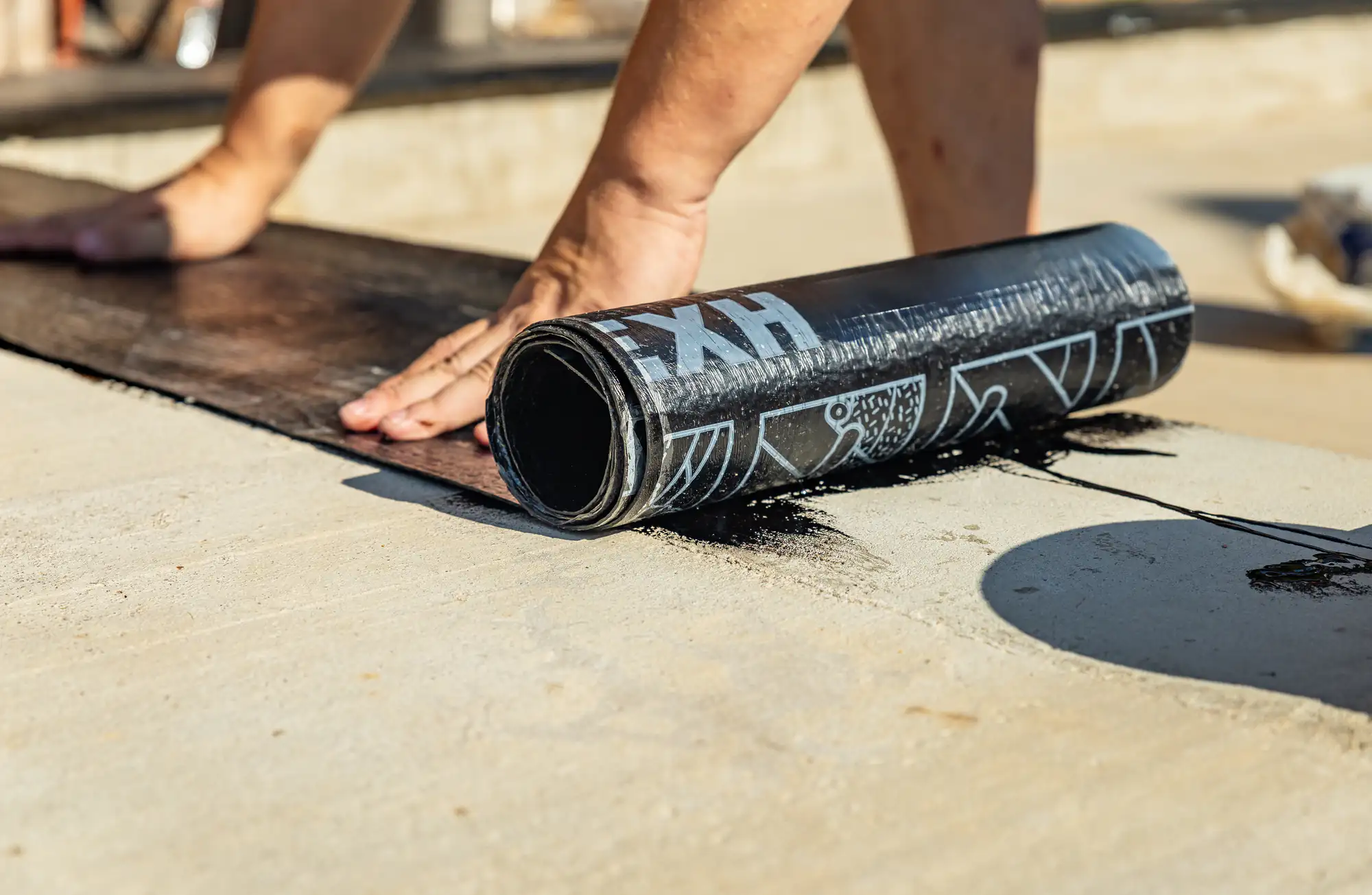
The membrane system comes next. We select products for your specific conditions. Sheet membranes for large flat areas. Liquid membranes for complex shapes and tight corners. Reinforcing fabric at every stress point. Pre-formed corners that eliminate the weak spots where walls meet floors.
Every penetration—shower drains, mixing valves, supply pipes—gets detailed with engineered accessories. These aren’t optional add-ons. They’re components that maintain the continuous barrier your membrane creates. Installation follows a specific sequence so each layer bonds correctly and all overlaps seal completely.
Why Mapei Waterproofing Requires Professional Installation
Mapei waterproofing systems are engineered for professional installation, which tells you something important right away. These products assume expertise. They’re designed with complexity that requires understanding how waterproofing actually works, not just following basic instructions.
Mapei membranes create continuous waterproof layers that stay flexible as buildings settle and temperatures swing. Florida homes move. Concrete expands in heat and contracts overnight. Standard waterproofing cracks under this constant stress. Professional-grade systems accommodate movement without breaking the moisture seal.
Application technique matters as much as product quality. Mapei systems require specific surface preparation, correct primer for your substrate, and precise curing times between coats. The membrane goes on at exact thickness—measured, not guessed. Too thin and you don’t have adequate protection. Too thick and it doesn’t bond to the substrate correctly. We have calibrated tools to verify proper application at every stage.
What makes these systems work in Central Florida is their resistance to sustained moisture. Our bathrooms face humidity levels that would destroy lesser products within years. Mapei membranes are tested for long-term water exposure, maintaining barrier properties for decades when installed correctly. That’s why they come with manufacturer warranties—but only when certified installers do the work.
The system includes compatible accessories for every detail. Corner pieces that actually seal wall-to-floor transitions. Collars designed for pipe penetrations. Tape engineered for seams. Each component works with the others. Mix brands to save a few dollars or skip accessories that seem unnecessary and you compromise the entire system. We know this from experience. DIYers learn it after failure.
Installation requires understanding substrate compatibility. What works on cement board differs completely from what works on concrete or plywood. Mapei provides detailed technical specifications, but interpreting them requires knowing what you’re looking at. Apply the wrong primer and membrane won’t adhere. Use incompatible tile adhesive and you break the waterproof seal you just created.
What Balcony Waterproofing Teaches About Bathroom Installation
Balcony waterproofing in Florida shares critical principles with bathroom waterproofing. Both create occupied spaces above areas that absolutely cannot tolerate water intrusion. The techniques we use for exterior balconies reveal what’s actually required for bathrooms.
Proper slope isn’t optional. Water must drain, not sit. Balconies need minimum 2% slope to function. Bathroom floors need adequate pitch toward drains. Achieving this isn’t about eyeballing whether something looks level. It’s precise work requiring the right tools and experience reading slopes accurately.
Substrate preparation determines whether waterproofing lasts five years or thirty. Balconies in coastal Central Florida face salt air, intense UV, and daily temperature swings. We completely remove existing materials, inspect underlying structure for damage, and ensure the substrate can actually support waterproofing long-term. Bathrooms need identical thoroughness. You cannot seal over existing problems and expect them to magically resolve.
Membrane selection depends on substrate type and exposure conditions. Balconies might use elastomeric coatings, sheet membranes, or liquid-applied systems. Bathrooms require products specifically rated for continuous water contact. Both need proper flashing at every transition and penetration. Both fail catastrophically when installers skip details that seem minor.
Florida’s climate makes professional installation even more critical for both applications. Humidity affects curing times—products that dry in four hours elsewhere might need eight here. Temperature impacts performance—some materials won’t bond correctly if applied during afternoon heat. UV exposure degrades certain membranes. We adjust methods for these conditions. We know when morning humidity is too high. We understand how summer thunderstorms affect installation schedules.
Balcony waterproofing typically costs $5-$20 per square foot depending on system complexity and existing condition. Bathroom waterproofing runs similar rates. Both represent investments that prevent exponentially more expensive emergency repairs. Both require expertise that extends well beyond reading product instructions.
The consequences of failure are identical: hidden water damage, progressive structural deterioration, mold growth in wall cavities, and urgent repairs that cost multiples of what proper installation would have. Balconies leak into living spaces below. Bathrooms leak into walls, subfloors, and adjacent rooms. Both create serious liability if you’re in a condo or townhome. Both void warranties and insurance coverage when done incorrectly.
Choosing Professional Waterproofing for Long-Term Protection
Bathroom waterproofing isn’t where you want to learn by trial and error. The stakes are too high, the margin for error too small, and Central Florida’s climate too unforgiving. What works in drier climates fails here within years.
Professional installation costs more upfront but delivers protection measured in decades, not seasons. You get proper surface preparation, code-compliant materials, correct application techniques, and warranty-backed work. More importantly, you get expertise that spots problems before they become expensive disasters.
At CF Stucco and Painting, we bring over 20 years of experience handling waterproofing challenges specific to Central Florida’s climate. We understand what Orange County, FL bathrooms face and how to protect them correctly the first time—which matters more than most homeowners realize until they’re dealing with water damage that could have been prevented.