You’ve probably noticed that dark streak near your window. Or maybe you’ve spotted a hairline crack that wasn’t there last year. In Orange County, FL, these aren’t just cosmetic issues—they’re warning signs.
Florida’s climate doesn’t play fair with stucco. Between the humidity, afternoon thunderstorms, and hurricane season, moisture finds its way in. The problem? By the time you see obvious damage on the surface, water has often been working behind your walls for months.
Here’s what you need to know about protecting your home before small issues turn into expensive problems.
Stucco and Moisture Problems in Orange County, FL
Central Florida gets more than 50 inches of rain each year. Add in 90% humidity and temperatures that keep everything damp, and you’ve got the perfect recipe for stucco moisture issues.
Stucco is porous. It absorbs water vapor from the air, and when that moisture gets trapped, it expands inside the material. That creates pressure, leading to micro-cracks that widen over time.
What makes Florida different is the cycle never really stops. Other climates get a break. Here, your stucco is under constant assault from moisture, and that aggressive cycle means problems develop faster and hit harder than they would anywhere else.
How Water Damage Stucco Happens in Florida Homes
Water doesn’t need much of an invitation. A hairline crack near your window trim. A gap where the stucco meets your foundation. Improperly sealed areas around doors.
Once water gets behind your stucco, it’s trapped. Florida’s humidity means it doesn’t dry out quickly. Instead, it sits there, soaking into whatever it can reach—wood framing, metal lath, insulation.
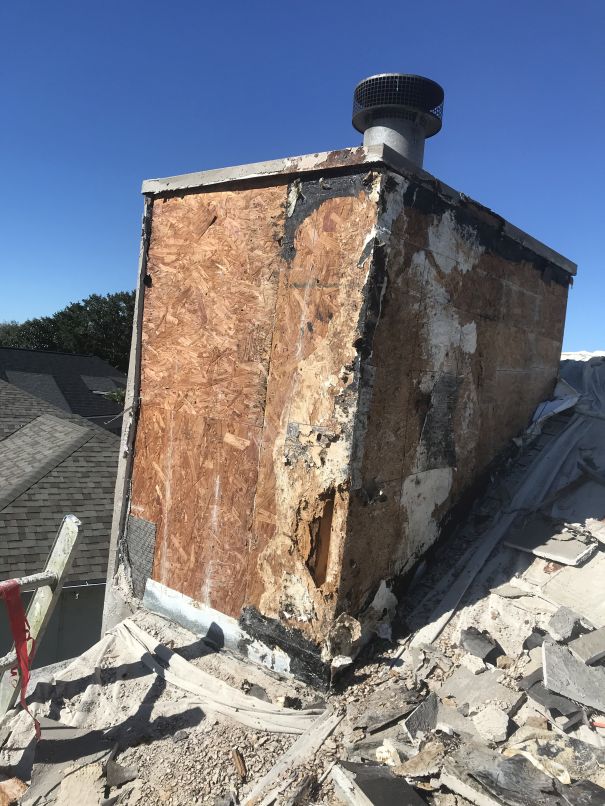
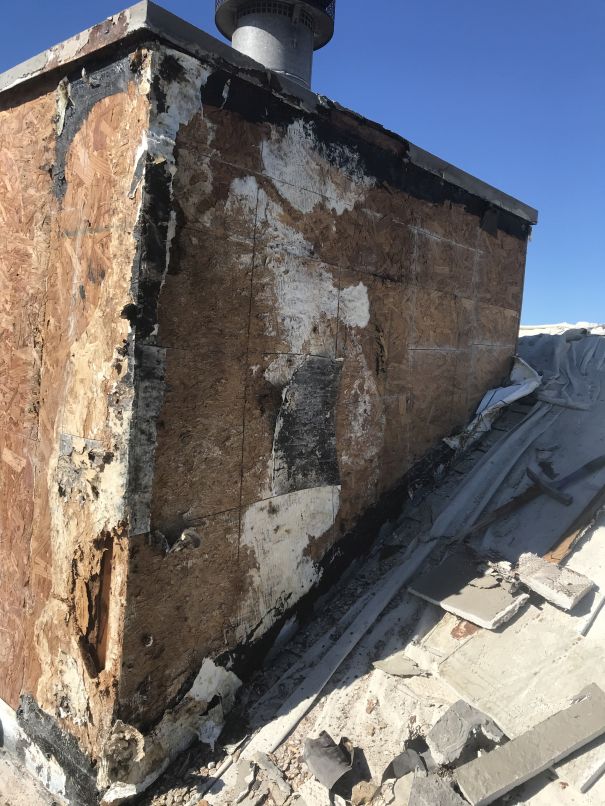
That’s when the real problems start. Wood begins to rot. Metal components rust and weaken. Mold takes hold in the dark, damp space behind your walls. You might not see any of this from the outside, which is exactly what makes it dangerous.
The worst part? Most Florida homeowners’ insurance policies don’t cover damage from slow leaks or poor installation. That means if water has been seeping in unnoticed, you’re likely paying for repairs out of pocket. Early detection isn’t just smart—it’s financially critical.
What starts as a $200 crack repair can balloon into a $10,000+ remediation project if moisture reaches your structural framing. Between 2005 and 2008, Tampa Bay homeowners reported massive water intrusion problems that resulted in crumbling walls, widespread mold, and even collapsed balconies. The common thread? Small moisture issues that went unaddressed.
Signs of Stucco Water Damage You Shouldn’t Ignore
Some warning signs are obvious. Others require you to look a little closer. Either way, catching them early changes everything.
Cracks are the most visible red flag. Hairline cracks might seem harmless, but they’re entry points for water during Florida’s heavy rains. Larger cracks—especially those that run vertically or in a stair-step pattern—often signal deeper structural movement or moisture infiltration that’s already underway.
Discoloration tells a story. Brown, yellow, or dark streaks around windows, doors, or near the roofline mean water is penetrating the surface. Green or black spots indicate mold or mildew growth, which thrives in Florida’s humid conditions. If you see white, powdery deposits (called efflorescence), that’s minerals left behind when water evaporates—a clear sign moisture is moving through your walls.
Soft or bulging areas are serious. If you gently press on your stucco and it feels spongy, or if sections appear to bulge outward, moisture has likely gotten trapped behind the surface. This creates pressure that separates the stucco from the underlying structure. Left alone, these areas will eventually crack, peel, or fall away entirely.
Pay attention to smells too. A musty, earthy odor near your exterior walls often means wood is rotting behind the stucco. That’s not something you can see, but it’s one of the most serious signs of moisture damage. If your home’s structural framing is compromised, you’re looking at major repairs to restore safety and integrity.
Stucco can hide severe water damage for years before visible signs appear. By the time you notice problems on the surface, significant damage may have already occurred behind the scenes. That’s why regular inspections—especially before Florida’s rainy season—are essential.
Preventing Stucco Moisture Issues Before Florida’s Rainy Season
Florida’s rainy season runs from June through November. That’s six months of afternoon thunderstorms, tropical systems, and hurricane threats. If your stucco has vulnerabilities, this is when they’ll be exposed.
The smart move? Address problems before the first storm hits. Spring is your window to inspect, repair, and waterproof. Once the rains start, you’re playing defense instead of getting ahead of the problem.
Prevention isn’t complicated, but it does require attention to detail and understanding what Central Florida’s climate demands from your exterior.
Pre-Season Stucco Inspection Checklist for Orange County Homes
Start with a walk around your property. Look at every section of stucco, paying extra attention to areas where water tends to collect or where different materials meet.
Check around all windows and doors. These are the most common failure points. Look for cracks in the stucco itself, gaps where caulking has dried out or pulled away, and any discoloration that suggests water has been seeping in. Run your hand along the edges—if the caulk feels brittle or crumbles when you touch it, it’s no longer protecting your home.
Inspect the base of your walls where stucco meets the foundation. Water pools here during heavy rains, and if there’s any separation or cracking, it’s getting inside. Also check that your landscaping slopes away from your home. If water drains toward your foundation instead of away from it, you’re creating a moisture problem.
Look up at the roofline. Check where gutters attach, where the roof meets the walls, and around any penetrations like vents or light fixtures. These junctions need proper flashing and sealing. If you see staining, rust, or gaps, water is finding a way in during storms.
Don’t forget about existing cracks, no matter how small. In Florida’s climate, even hairline cracks can allow water to seep in during heavy rains. The humidity prevents proper drying, so that moisture stays trapped, expanding the crack further over time. What looks minor today becomes a major issue by the end of rainy season.
Schedule your inspection in spring—ideally April or May—before the summer storms begin. This gives you time to make repairs during dry weather, when materials can cure properly and work can be completed without rain delays. Waiting until June means you’re racing against afternoon thunderstorms and potentially working around tropical weather systems.
Waterproofing and Sealing Strategies for Central Florida Stucco
Proper sealing is your first line of defense against moisture intrusion. But not all sealants perform the same way in Florida’s intense heat, UV exposure, and constant humidity.
Elastomeric sealants work best for Central Florida conditions. They’re flexible enough to move with your stucco as it expands and contracts with temperature changes, and they create a waterproof barrier that still allows moisture vapor to escape. That “breathing” capability is critical—you don’t want to trap moisture that’s already in the wall.
Focus on vulnerable areas first. Re-caulk around all windows and doors using a high-quality, UV-resistant product designed for Florida’s climate. Make sure gutters and downspouts are directing water away from your walls, not dumping it right next to your foundation. Trim back any vegetation that’s touching or hanging over your stucco—plants hold moisture against the surface and create shaded areas where mold and mildew thrive.
Consider applying a breathable water-repellent coating to your entire stucco surface. These products create an additional protective layer without sealing the stucco so tightly that trapped moisture can’t escape. Applied correctly, they can significantly reduce water absorption during Florida’s heavy rains while still allowing your walls to dry out during breaks in the weather.
Timing matters for waterproofing work. Stucco repairs and sealant applications need at least 48 to 72 hours of dry weather to cure properly. In Central Florida, that means planning around afternoon thunderstorms and checking weather forecasts carefully. Applying sealants right before rain can actually trap moisture and make problems worse.
If you’re seeing signs of existing moisture damage—discoloration, soft spots, bulging areas—waterproofing alone won’t fix it. You need to address the underlying problem first. Sealing over damaged stucco just hides the issue while water continues to cause structural problems behind the surface. A proper inspection identifies whether you’re dealing with prevention or remediation.
Protecting Your Orange County Home from Stucco Moisture Damage
Stucco moisture issues don’t fix themselves. In Florida’s climate, they only get worse. But catching problems early—before the rainy season, before water reaches your structural framing, before mold takes hold—makes all the difference.
You now know what to look for and when to take action. Regular inspections, timely repairs, and Florida-specific waterproofing strategies protect your home and your investment. The cost of prevention is always less than the cost of remediation.
If you’re seeing warning signs or want a professional assessment before storm season hits, we specialize in Central Florida’s unique moisture challenges. With over 20 years of experience in Orange County, we understand exactly what your stucco is up against and how to protect it.