You’re not imagining it—getting a straight answer about waterproofing basement cost is harder than it should be. Most contractors throw out wide ranges or dodge the question entirely until they see your space. That’s frustrating when you’re trying to budget for a real solution.
Here’s what you need to know: basement waterproofing in Orlando typically runs between $4,800 and $11,000, but your actual cost depends on your basement size, the severity of your moisture problem, and whether you need interior or exterior work. Some homes need both. This guide breaks down the numbers, explains what drives your cost, and helps you understand which solutions actually work for Central Florida’s unique challenges.
Average Cost to Waterproof Basement in Orlando
Most Orlando homeowners pay around $7,900 for basement waterproofing, with typical projects falling between $4,800 and $11,000. That’s higher than the national average, and there’s a reason for it.
Florida’s high water table, heavy rainfall, and unique soil conditions make waterproofing more complex here. You’re not just keeping occasional moisture out—you’re dealing with groundwater that sits 1-3 feet below the surface in many areas, plus hurricane season and summer storms that dump water faster than most drainage systems can handle.
The size of your basement matters most. A 500-square-foot space might cost $2,500-$5,000 for basic interior work, while a 1,000-square-foot basement needing comprehensive exterior waterproofing could hit $10,000-$15,000. The method you choose and how bad your water problem is will push you toward one end of that range or the other.
Basement Encapsulation Cost
Basement encapsulation is the most comprehensive waterproofing approach, and it typically costs $1,500-$15,000 in the Orlando area, with most homeowners paying around $5,500. This isn’t just sealing a few cracks—it’s creating a complete moisture barrier system.
Encapsulation involves sealing your basement with heavy-duty vapor barriers on walls and floors, installing drainage systems, adding sump pumps, and often including dehumidifiers to control Florida’s relentless humidity. Think of it as wrapping your basement in a protective shell that keeps water out and moisture levels controlled.
The wide price range comes down to what your space needs. A smaller basement with minor moisture issues might only need basic encapsulation with a 6-mil vapor barrier and minimal drainage work. A larger space with serious water intrusion problems will require thicker barriers, more extensive drainage, multiple sump pumps, and commercial-grade dehumidifiers.
In Central Florida’s climate, encapsulation makes sense when you’re dealing with persistent humidity and moisture that interior sealants can’t handle. The upfront cost is higher, but you’re investing in a system that addresses multiple moisture sources at once. Labor typically accounts for 50-70% of the total cost, with materials making up the rest.
One thing to understand: encapsulation is different from basic waterproofing. You’re not just blocking water—you’re creating a controlled environment that prevents mold growth, protects structural integrity, and makes your basement actually usable. For Florida homes with basements, which are already rare, this level of protection often makes the difference between a dry, functional space and an ongoing moisture problem.
Cost of Waterproofing Basement from Inside
Interior waterproofing averages around $3,000 in Orlando, making it the more affordable option upfront. This approach manages water that’s already made its way to your basement walls or floor, redirecting it before it causes damage.
The most common interior method is installing a drainage system along the basement perimeter. A contractor digs a trench around the inside edge of your basement floor, lays perforated pipe, and connects it to a sump pump that moves water away from your home. This runs $4,000-$17,000 depending on your basement size and layout. Add a quality sump pump for $600-$2,500, and you’ve got a system that handles water once it reaches your foundation.
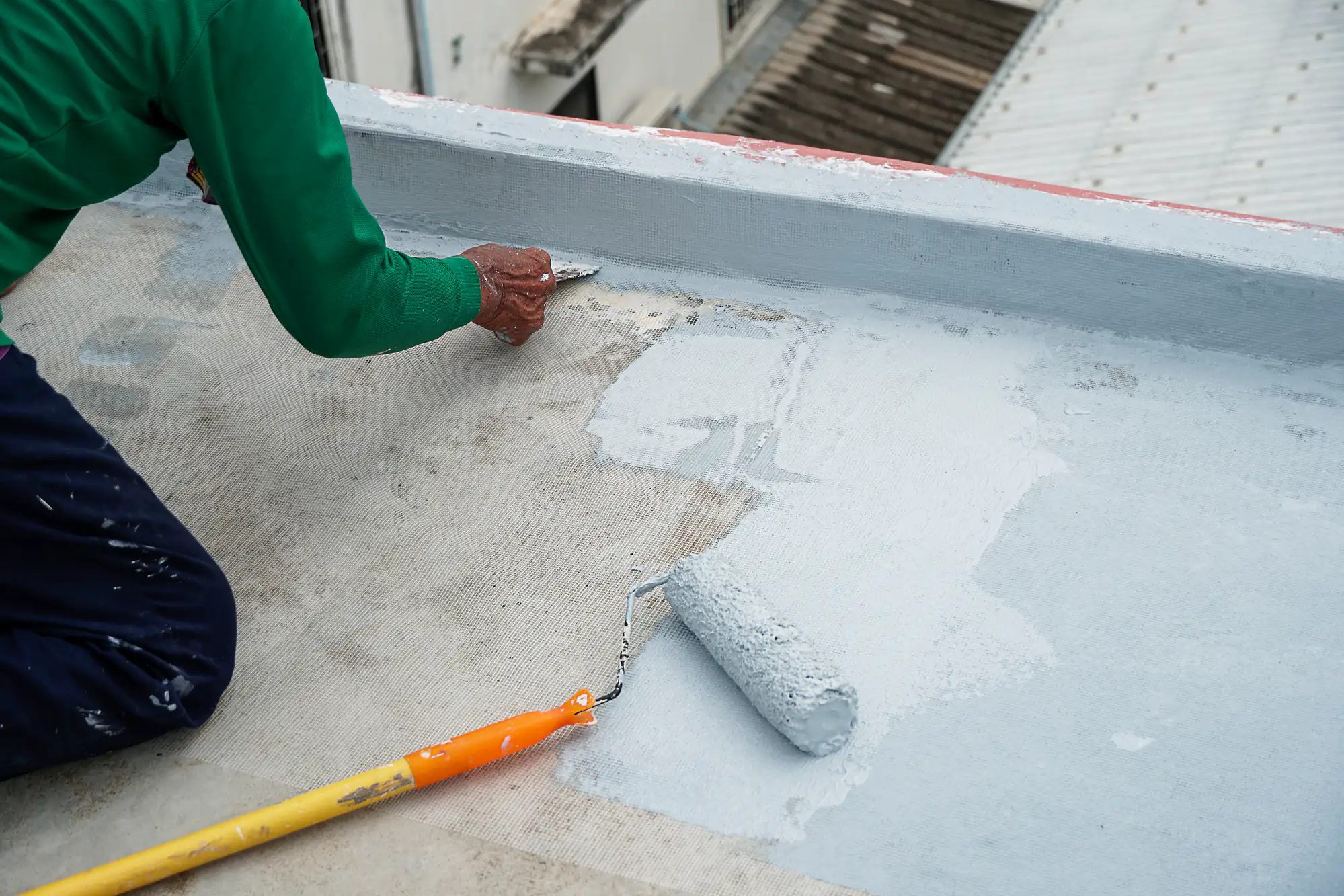
Interior sealants are cheaper—$2-$6 per square foot—but they’re really a temporary fix. You can paint on waterproof coatings or inject epoxy into cracks, and that might hold for a while. But it’s not preventing water from getting to your foundation in the first place. In Florida’s wet climate, that means you’re treating symptoms, not solving the problem.
Dehumidifiers are almost always necessary with interior waterproofing here. Florida’s humidity doesn’t quit, and even a “dry” basement can have moisture issues just from the air. A good dehumidifier adds $800-$1,200 to your project, but it’s not optional if you want to prevent mold and that musty basement smell.
Here’s the trade-off: interior waterproofing is less expensive and doesn’t require excavation around your house. That makes it appealing. But it’s reactive, not preventive. You’re managing water after it’s already reached your foundation rather than stopping it before it gets there. For minor moisture issues or tight budgets, it works. For serious water problems, you’ll probably end up needing exterior work eventually anyway.
Interior vs Exterior Waterproofing Cost Comparison
The choice between interior and exterior waterproofing isn’t just about cost—it’s about how effectively you want to solve your water problem. Interior methods average $3,000. Exterior methods average $7,000. That price gap exists because exterior work requires excavation, more labor, and addresses the root cause instead of managing symptoms.
Interior waterproofing handles water once it’s already at your foundation. You’re installing drainage systems, sump pumps, and barriers inside your basement to redirect moisture. It’s less invasive, doesn’t require digging up your yard, and costs less upfront. For homeowners with minor dampness or budget constraints, it provides relief without major disruption.
Exterior waterproofing stops water before it reaches your foundation. Contractors excavate around your home’s perimeter, apply waterproof membranes to foundation walls, install exterior drainage systems, and regrade soil to direct water away. It’s more expensive, more disruptive, and takes longer. But it’s also more effective and longer-lasting because you’re preventing water intrusion rather than reacting to it.
What Affects Your Waterproofing Cost
Your basement size is the biggest cost driver. Contractors typically charge $3-$15 per square foot depending on the method and severity of your water problem. A 500-square-foot basement will cost significantly less than a 1,500-square-foot space, simply because there’s less area to waterproof and fewer materials needed.
The severity of your moisture problem matters more than most homeowners realize. Minor dampness or occasional seepage after heavy rain? You might get by with interior sealants and a dehumidifier. Standing water, visible mold, or flooding during every storm? You’re looking at comprehensive exterior waterproofing with drainage systems, sump pumps, and possibly foundation repairs. The worse your problem, the more extensive—and expensive—the solution.
Foundation type affects both the approach and cost. Poured concrete foundations are generally easier and cheaper to waterproof than block foundations. Block walls have more seams and potential entry points for water, requiring more detailed work and often costing 20-30% more to properly seal.
Accessibility plays a role that contractors don’t always mention upfront. If your basement has limited access, tight spaces, or obstacles that make installation difficult, expect higher labor costs. The same goes for exterior work—landscaping, decks, or hardscaping around your foundation that needs removal and replacement adds to your total.
Existing damage can’t be ignored. Cracks in your foundation need repair before waterproofing. Mold requires remediation. Structural issues need addressing. These aren’t optional add-ons—they’re necessary repairs that protect your investment. Foundation crack repair runs $250-$800 per crack for epoxy injection, while mold remediation can add $1,500-$4,000 to your project.
Orlando-specific factors include permitting costs (typically low hundreds through Orange County), Florida’s 6.5-7% sales tax on materials, and labor rates that run $50-$200 per hour depending on the complexity and contractor expertise. Hurricane season and heavy summer rains also mean contractors here need specialized knowledge of Florida’s climate challenges—that expertise costs more but saves you money long-term.
Which Waterproofing Method Works Best for Orlando Homes
Orlando’s climate creates specific challenges that affect which waterproofing method actually works. You’re dealing with a high water table, sandy soil that shifts easily, heavy rainfall averaging 50+ inches annually, and humidity that never quits. These conditions mean some methods that work great up north fail here.
Exterior waterproofing with proper drainage is generally the most effective approach for Orlando homes with serious water issues. Excavating around your foundation, applying waterproof membranes, and installing exterior French drains addresses water before it reaches your basement. In Florida’s wet climate, preventing water intrusion beats managing it after the fact. This method runs $7,000+ but provides decades of protection with minimal maintenance.
Interior drainage systems paired with sump pumps work well for homes with moderate moisture problems. The system intercepts water at the foundation and pumps it away before it enters your living space. Add a dehumidifier to control Florida’s humidity, and you’ve got a setup that handles most moisture issues. This combination typically costs $5,000-$8,000 and provides good protection without excavation.
Basement encapsulation makes sense for Florida’s climate if you’re dealing with persistent humidity even without active leaks. Sealing your basement with vapor barriers, adding drainage, and installing commercial-grade dehumidifiers creates a controlled environment that prevents mold and moisture damage. At $5,500 average cost, it’s a middle-ground option that addresses multiple moisture sources.
What doesn’t work well here: waterproof paint or sealants alone. Florida’s constant humidity and high water table put too much pressure on these surface treatments. They might hold for a year or two, but they’re not a permanent solution. Same with basic crack sealing—it’s a temporary patch, not a fix. You’ll end up spending more money redoing work that didn’t address the real problem.
The best approach for most Orlando homeowners combines methods. Exterior drainage to prevent water intrusion, interior sump pump as backup, and dehumidification to control humidity. It costs more upfront, but you’re not gambling on whether a single method will work. You’re building redundancy into your system, which matters when hurricane season hits and your basement faces more water in a few hours than most homes see all year.
Getting Accurate Waterproofing Estimates in Orlando
Understanding waterproofing basement cost is one thing. Getting an accurate estimate for your specific situation is another. Most Orlando homeowners pay $4,800-$11,000, but your cost depends on your basement size, moisture severity, and the method you need.
The most important step is working with contractors who understand Central Florida’s unique challenges—the high water table, sandy soil, hurricane-season flooding, and relentless humidity that makes waterproofing more complex here than in most parts of the country. You need someone who can assess your specific situation, explain which methods will actually work, and provide clear estimates without hidden fees.
Look for contractors who offer detailed quotes breaking down materials, labor, and any additional work like foundation repairs or mold remediation. Ask about warranties, timelines, and what happens if unexpected issues come up during the project. The cheapest bid isn’t always the best value, especially when you’re investing in work that needs to last decades.
If you’re dealing with basement moisture issues in Orange County, FL, we bring over 20 years of expertise in Florida climate-specific waterproofing solutions. Our team understands the challenges Orlando homeowners face and provides clear estimates with realistic timelines—no surprises, no hidden costs.