You’ve noticed the signs. Maybe it’s a musty smell that won’t go away, water stains creeping across your walls, or that sinking feeling every time Florida’s afternoon thunderstorms roll in. You know something’s wrong with how water is affecting your home, but you’re not sure what actually needs to happen to fix it.
Professional waterproofing services do more than apply a coat of sealant and call it a day. The process involves comprehensive assessment, proper preparation, multi-layer protection systems, and solutions specifically designed for Florida’s brutal combination of humidity, heavy rain, and relentless heat. Here’s what you’re actually getting when you hire professionals who know what they’re doing.
Comprehensive Moisture Assessment and Inspection
Before any work begins, we need to figure out where the water is actually coming from. That sounds obvious, but you’d be surprised how many contractors skip this step and just start sealing whatever looks wet.
A proper moisture assessment involves inspecting your entire exterior envelope—not just the obvious problem areas. We look at your foundation, walls, roof connections, window and door penetrations, and anywhere water might be sneaking in. We’re checking for cracks, gaps in sealant, deteriorating materials, and signs of previous water damage that might indicate a bigger issue.
In Florida, this assessment also includes understanding how your home interacts with the climate. High humidity means moisture doesn’t just come from rain—it can condense inside your walls if they’re not breathing properly. We use moisture meters to measure water content in materials, thermal imaging to spot hidden leaks, and visual inspection to identify vulnerabilities you can’t see from ground level.
House Waterproofing Inspection Process
The inspection process for house waterproofing typically starts on the outside and works its way in. We walk your property’s perimeter, looking at how water flows around your foundation during rain. We’re checking whether your gutters and downspouts are directing water away from the house or dumping it right next to your foundation—a mistake that causes thousands of dollars in damage.
We’ll examine your exterior walls, paying close attention to stucco surfaces if that’s what you have. Stucco is popular in Central Florida because it handles heat well and looks great, but it’s also porous. Without proper sealing and waterproofing, it absorbs moisture like a sponge. We check for hairline cracks, areas where the stucco is pulling away from the substrate, and spots where previous repairs failed.
Window and door installations get scrutinized too. These are common entry points for water because the flashing and sealant around them deteriorate over time from UV exposure and temperature cycling. Even a tiny gap can let in enough water to cause mold growth and rot in your wall cavity.
If you have a basement or crawl space—less common in Florida but not unheard of—we inspect those areas for signs of groundwater intrusion, poor drainage, and inadequate vapor barriers. We’re looking at the cove joint where your floor meets the wall, checking for efflorescence (those white mineral deposits that signal water movement), and assessing whether you need interior or exterior drainage solutions.
The goal of this inspection isn’t to scare you with a massive repair list. It’s to identify the actual sources of water intrusion so the waterproofing work addresses root causes instead of just treating symptoms. A contractor who skips this step and jumps straight to applying sealant is setting you up for repeated failures and wasted money.
Identifying Root Causes vs Treating Symptoms
Here’s where professional waterproofing services separate themselves from the guy who shows up with a caulk gun and calls it a day. We understand the difference between what you’re seeing and what’s actually causing the problem.
Let’s say you’ve got water stains on your interior walls. The symptom is obvious—there’s moisture getting in somewhere. But the cause could be a dozen different things. Maybe your gutters are clogged and overflowing. Maybe the grade around your foundation slopes toward your house instead of away from it. Maybe you’ve got cracks in your stucco that are invisible from ground level but wide enough to channel water straight into your wall cavity.
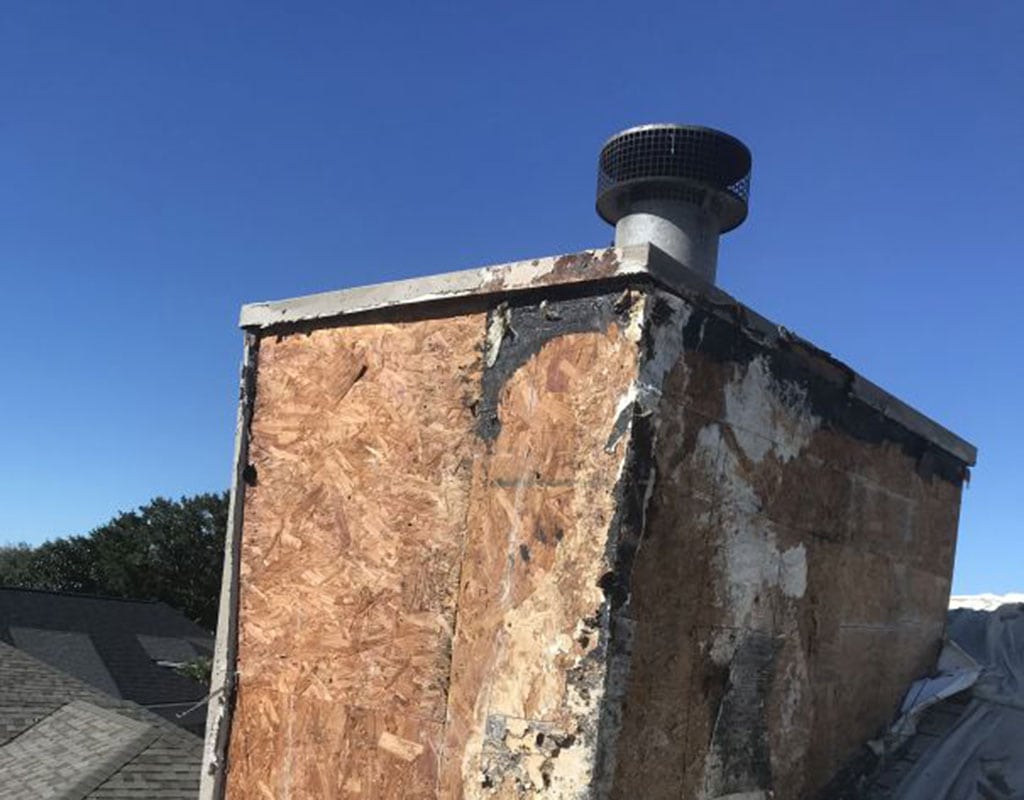
We don’t just seal the stain and hope for the best. We trace the water back to its source. Sometimes that means getting on the roof to check flashing around chimneys or vent pipes. Sometimes it means excavating around your foundation to see what’s happening below grade. It’s detective work, and it requires experience with how water moves and where it likes to hide.
In Florida’s climate, we also understand how humidity and condensation play into moisture problems. You might have water damage that has nothing to do with rain or leaks—it’s condensation forming because your walls can’t breathe properly or your HVAC system is creating pressure imbalances. Fixing that requires different solutions than fixing a crack in your foundation.
This diagnostic approach costs more upfront than slapping sealant on everything, but it saves you money in the long run. When you address the actual cause of water intrusion, the fix lasts. When you just treat symptoms, you’re paying for the same repair every few years because the underlying problem never got solved.
We also know when waterproofing alone isn’t enough. If your foundation has structural cracks from settling or hydrostatic pressure, you need foundation repair before waterproofing will do any good. If your drainage system is dumping water right next to your house, you need to fix that first. Good contractors tell you the truth about what needs to happen, even if it means a bigger project than you were hoping for.
Multi-Layer Waterproofing Systems and Application
Professional waterproofing isn’t a single product or technique—it’s a system of layers that work together to keep water out. Each layer has a specific job, and they’re applied in a sequence that builds comprehensive protection.
The first layer is often surface preparation. That means cleaning off dirt, mildew, and loose material so the waterproofing products can actually bond to your substrate. We use pressure washing, scraping, wire brushing, or chemical cleaners depending on what we’re working with. Skipping this step is why DIY waterproofing fails—the products don’t adhere properly and peel off within months.
Next comes crack and gap repair. Any openings larger than a hairline get filled with appropriate materials before waterproofing begins. For concrete and masonry, that might be hydraulic cement or epoxy injection. For stucco, it’s specialized patching compounds that match the existing texture and composition. These repairs need to cure properly before the waterproofing layers go on.
Waterproofing Membranes and Coatings
Once the surface is prepped and repaired, we apply the actual waterproofing materials. For exterior walls and foundations, this often means a liquid-applied membrane or a sheet membrane system. These create a continuous barrier that water can’t penetrate.
Liquid-applied membranes are popular for complex surfaces because they form a seamless coating that gets into every crack and crevice. They’re typically elastomeric, meaning they flex with temperature changes and minor structural movement instead of cracking. In Florida, this flexibility matters because your home expands and contracts daily with the heat.
Sheet membranes are pre-formed rolls of waterproofing material that get adhered to the surface. They’re common for below-grade foundation work because they provide a thick, durable barrier against hydrostatic pressure. Installation requires skill to ensure proper overlap at seams and complete coverage without gaps or bubbles.
For stucco homes in Central Florida, we often use breathable waterproofing systems. These prevent liquid water from getting in while still allowing water vapor to escape from inside the wall. That’s critical in humid climates where trapping moisture inside your walls creates mold problems even if no rain is getting in.
The coating selection depends on what’s being protected. Acrylic coatings work well for newer, well-maintained stucco. Elastomeric coatings are thicker and more durable, ideal for older stucco with minor cracks. Cementitious waterproofing bonds directly to concrete and masonry surfaces. Polyurethane membranes offer superior durability and chemical resistance for high-exposure areas.
We apply these materials in specific thicknesses using the right tools. Spray application, roller application, or trowel application each have their place depending on the product and surface. We’re also checking for proper coverage—thin spots and holidays (missed areas) compromise the entire system.
After the primary waterproofing layer, many systems include a protective coating or drainage board. This shields the waterproofing membrane from physical damage during backfilling or from UV degradation if it’s above grade. It also provides an additional layer of defense if the first barrier ever fails.
Drainage Systems and Water Management
Waterproofing membranes stop water from getting through your walls, but they don’t solve the problem of water accumulating around your foundation in the first place. That’s where drainage systems come in, and they’re often the most important part of professional waterproofing services.
Exterior drainage typically involves installing a perimeter drain system—often called a French drain or footer drain. This is a perforated pipe surrounded by gravel that sits at the base of your foundation. It collects water that would otherwise build up against your walls and channels it away to a safe discharge point like a storm drain or dry well.
Installing exterior drainage means excavating around your foundation, which is why it’s expensive and disruptive. But it’s also the most effective way to prevent water problems because it addresses the issue at the source. If groundwater or surface runoff is your problem, no amount of sealant on your walls will fix it—you need to control where that water goes.
Interior drainage systems are less invasive and more common for existing homes. These involve installing a channel along the perimeter of your basement or crawl space floor, right where the wall meets the floor. Water that seeps through the wall or comes up through the floor gets captured in this channel and directed to a sump pump, which then pumps it out and away from your house.
Sump pump installation is often part of comprehensive waterproofing services. The pump sits in a pit below floor level and automatically activates when water reaches a certain level. We size the pump based on your specific water intrusion rate and install battery backup systems so you’re protected even during power outages—common during Florida storms.
Beyond drainage pipes and pumps, we address surface water management. That means ensuring your gutters are properly sized and maintained, downspouts extend at least 6-10 feet from your foundation, and the grade around your house slopes away from the building. These seem like simple fixes, but they prevent more water problems than any fancy waterproofing product.
Drainage boards and dimple sheets are another component of professional systems. These plastic sheets with raised dimples get installed against your foundation wall before backfilling. They create an air gap that allows water to drain down to the footer drain instead of sitting against your waterproofing membrane. They also protect the membrane from damage during backfilling.
In Florida’s sandy soil, drainage is particularly critical. Sand drains well, which is good, but it also means water can move quickly toward your foundation during heavy rain. Proper drainage systems intercept that water before it reaches your walls and direct it away before pressure builds up.
Choosing Professional Waterproofing Services
Professional waterproofing services include comprehensive assessment, proper surface preparation, multi-layer protection systems, and drainage solutions that work together to keep water out. It’s not a single product or quick fix—it’s a systematic approach to moisture control that addresses your specific situation.
The difference between professional services and DIY attempts comes down to expertise, equipment, and understanding how water behaves in Florida’s climate. We know which materials work in high humidity, how to prep surfaces for proper adhesion, and when drainage matters more than membranes. We also stand behind our work with warranties that give you protection if something goes wrong.
If you’re dealing with moisture issues in Orange County, FL, we bring over 20 years of experience working specifically with Central Florida’s climate challenges. We understand stucco waterproofing, foundation protection, and the communication and reliability that make the difference between a stressful project and one that actually solves your problem.