Here’s a situation that plays out more often than it should. A homeowner in Orange County, FL gets a quote for stucco work. One contractor mentions pulling a permit. Another says it’s not necessary. The homeowner goes with the second contractor — partly because it’s cheaper, partly because they looked it up and the county’s website seemed to confirm it.
Then they try to sell the house.
If you’re researching stucco work in Orange County and wondering whether a permit is actually required, you’re asking exactly the right question. The answer isn’t as simple as a yes or no — and the nuance matters more than most people expect.
What Orange County’s Permit Website Actually Says About Stucco
Orange County’s “Do I Need a Permit” page lists “Stucco” under work that does not require a permit. It’s right there in black and white, which is why so many homeowners assume they’re in the clear. But that page is specifically about the Ranger Drainage District — a special overlay that covers communities like Cape Orlando Estates, Wedgefield, and Rocket City. It has nothing to do with the county’s standard building permit requirements.
For general stucco work — repairs, new installations, re-stucco projects — Orange County, FL abides by the Florida Building Code, enforced through the Division of Building Safety at 201 Rosalind Avenue in Orlando. Whether your project requires a permit depends on what kind of work is being done, how much of it, and what system is being installed or repaired.
When Does a Stucco Repair or Installation Require a Permit?
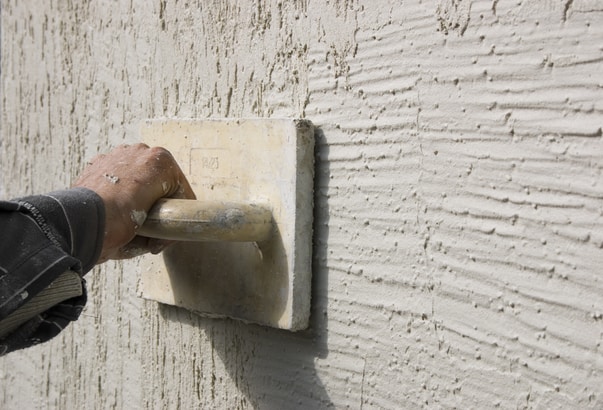
The short answer is that minor cosmetic repairs — small patches, surface cracks, touch-ups — often fall below the threshold that triggers a permit. But “minor” is doing a lot of work in that sentence, and it’s where contractors who want to skip the process tend to get creative with their definitions.
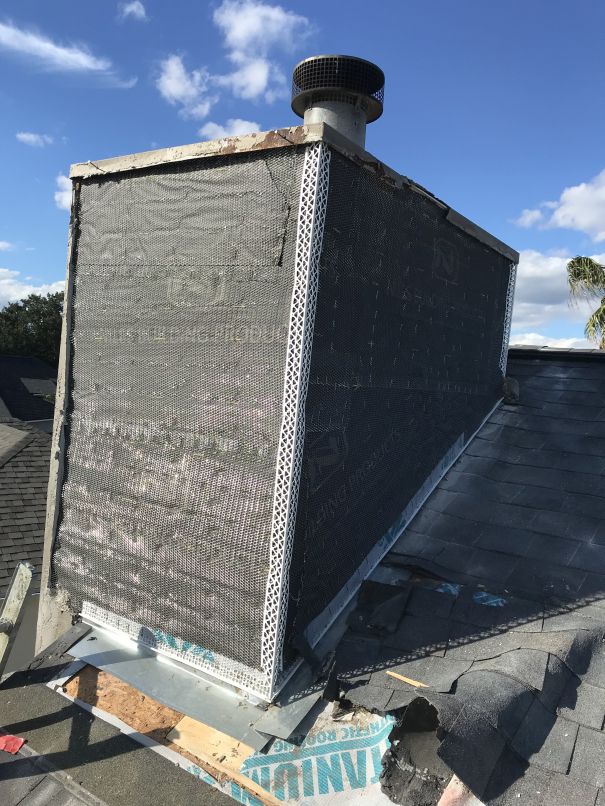
The Florida Building Code sets a minimum stucco thickness of 7/8 inch over concrete block walls, applied in three coats: a scratch coat, a brown coat, and a finish coat. Any work that involves new lath installation, moisture barriers, or structural components is going to require a permit because it’s not cosmetic — it’s part of the building envelope. If your contractor is opening up a wall, replacing substrate, or installing new lath, that’s permitted work regardless of how they frame it in the estimate.
New stucco installation on a structure that didn’t previously have it is always a permitted job. Re-stucco projects — where the existing system is stripped and replaced — are permitted. Work that requires a Notice of Commencement, which Florida Statute requires before the first inspection on any significant project, is permitted by definition.
Orange County processes permits through its Fast Track Online Services portal. A licensed contractor pulls the permit, schedules inspections through that system, and the work is documented in the county’s records. That documentation follows the property — which is exactly why it matters when you go to sell.
The confusion often comes from contractors conflating “doesn’t always require a permit” with “never requires a permit.” Those are very different things. If you’re not sure which category your project falls into, ask the contractor to explain specifically why a permit isn’t required. A good answer will reference the scope and nature of the work. A vague answer — or one that just says “small jobs don’t need permits” — is a red flag.
What Happens to Orange County Homeowners When Stucco Work Goes Unpermitted
This is the part most homeowners don’t think about until it’s too late. When a contractor skips the permit, they move on to the next job. You’re the one who lives with the consequences.
In Florida, unpermitted construction work must be disclosed when you sell the property. That’s not a technicality — it’s a legal obligation. Buyers run title searches and hire inspectors, and unpermitted exterior work tends to surface. When it does, you’re looking at a few possible outcomes: the buyer walks, the buyer demands a price reduction, or you’re required to pull a retroactive permit and bring the work up to current code before closing.
Retroactive permits come with fees, potential fines, and sometimes forced remediation if the work doesn’t meet today’s standards. There’s also the insurance angle. If you file a claim related to water damage or structural failure and an adjuster finds that the exterior work was unpermitted, your coverage can be affected. Stucco that was installed without a permit and never inspected gives an insurer grounds to question whether the work met code — and whether the damage they’re being asked to cover stems from that non-compliant installation.
Orange County’s housing market is active, and buyers are more informed than they used to be. The inspector they hire will look at the exterior, and an experienced one will know the difference between work that was permitted and inspected versus work that was done and closed up without any oversight.
The permit protects you. It’s documentation that the work was done to code, that it was inspected by someone independent of the contractor, and that it’s part of the property’s legal record. That’s worth something — especially in a market where homes are scrutinized closely before sale.
EIFS Installation and Orange County Permit Requirements
EIFS — Exterior Insulation and Finish Systems, sometimes called synthetic stucco — is a different conversation from traditional cement plaster, and it’s one that trips up a lot of homeowners in Orange County, FL specifically.
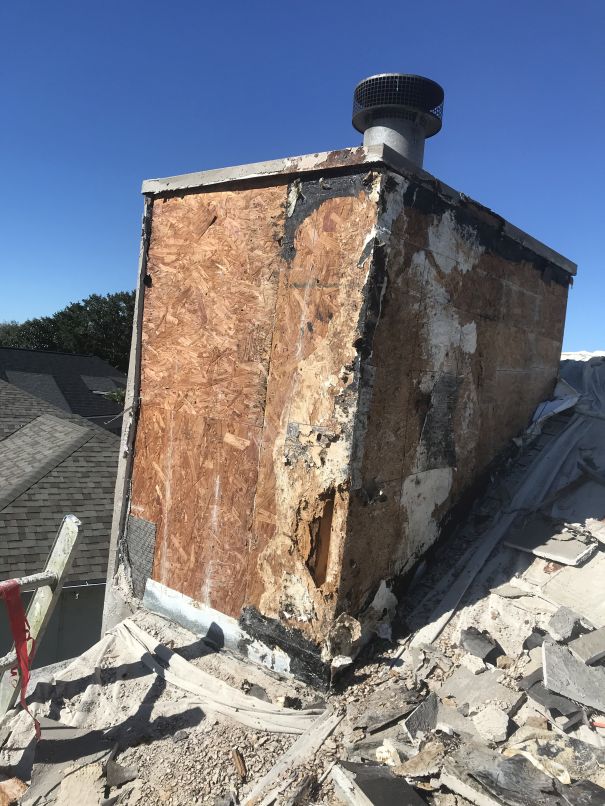
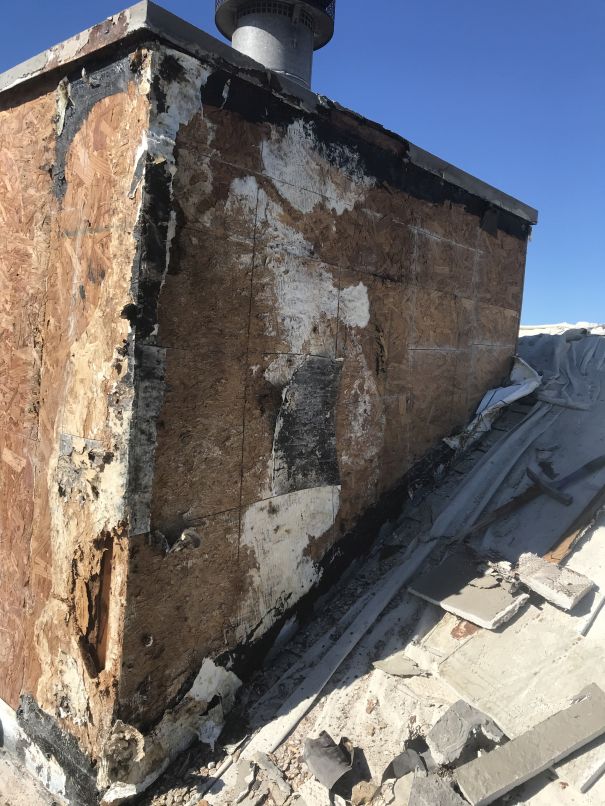
During the late 1980s and through the 1990s, a large portion of Orange County’s suburban housing stock was built with EIFS cladding. That growth era — driven largely by the region’s tourism and theme park expansion — produced thousands of homes in communities across the county that are now 25 to 35 years old. Many of those original EIFS systems lacked drainage planes, which means moisture gets trapped against the substrate. At this age, a significant number of them are at or past their service life.
Does EIFS Installation Always Require a Permit in Florida?
Yes — and this is one of the clearest rules in Florida’s building code framework. EIFS installation always requires a permit in Florida. There are no thresholds, no exemptions for smaller jobs, no gray area. If a contractor is installing, replacing, or substantially repairing an EIFS system on your home, a permit is required.
This is explicitly different from traditional cement plaster applied directly to concrete masonry units, which in some circumstances and below certain square footage thresholds may not trigger a permit. EIFS is categorically treated differently under the Florida Building Code because it’s a more complex system — it involves insulation boards, mesh, basecoat, and finish coat applied over a substrate, and it has specific requirements under FBC Chapter 14 for drainage, moisture protection, substrate fastening, and wind resistance.
The practical implication for Orange County homeowners with aging EIFS systems is significant. If you’re getting quotes for re-stucco or EIFS remediation work and a contractor tells you no permit is needed, that’s not accurate. Either they’re misreading the code, or they’re deliberately avoiding the permit process — and in either case, you’re the one taking on the liability.
We’ve worked on a lot of EIFS systems in Orange County, and the pattern we see most often is this: the original installation from the 1990s had no drainage plane, moisture has been working its way in for years, and by the time a homeowner calls us there’s wood rot or mold behind the cladding that nobody knew about. That kind of work — stripping the system, addressing the substrate, and installing a compliant replacement — is exactly the type of project that requires a permit, an inspection, and a contractor who knows what they’re doing with EIFS specifically.
How to Verify You’re Hiring a Licensed Stucco Contractor in Orange County, FL
Florida licenses stucco contractors under the “Plaster and Lath” specialty classification through the Department of Business and Professional Regulation. That license covers the application of stucco, metal lath, materials for waterproofing, and related work. You can verify any contractor’s license on the DBPR website — it takes about two minutes and tells you whether the license is current, whether there have been any disciplinary actions, and what the license covers.
This matters because the license is what gives a contractor the legal authority to pull a permit. An unlicensed contractor cannot pull a building permit in Florida — which means if they’re telling you no permit is needed, part of the reason might simply be that they can’t get one. A licensed contractor, on the other hand, has skin in the game. Their license is on the line if the work doesn’t pass inspection.
Before any work begins, ask for a certificate of insurance. General liability and workers’ compensation coverage protect you if something goes wrong on your property — if a worker is injured, or if the work causes damage. A contractor who hesitates to provide a COI is telling you something important.
For EIFS work specifically, look for contractors who can speak knowledgeably about the system — the failure modes of older installations, how modern drainage-plane EIFS differs from what was installed in the 1990s, and what a proper remediation involves. Generic stucco experience doesn’t automatically translate to EIFS expertise. The systems are different, the failure patterns are different, and the installation requirements under the Florida Building Code are different.
We bring over 20 years of stucco industry experience to every project, and our owner’s background in foundation repair means we approach stucco problems structurally — looking at why the damage happened, not just what it looks like on the surface. For projects that involve structural concerns, we coordinate with engineers. That’s the kind of depth that matters when a permitted inspection reveals something unexpected behind the cladding.
Choosing the Right Stucco Installation Contractor in Orange County Starts With the Right Questions
The permit question isn’t just a regulatory detail. It’s a reliable way to sort contractors who do the work right from those who cut corners and move on. A contractor who pulls the permit, schedules the inspection, and hands you documentation at the end of the job is a contractor who’s accountable for the quality of their work. That accountability is worth something.
If you’re in Orange County, FL and dealing with cracked stucco, a failing EIFS system, or a re-stucco project on a home that’s been through a few Florida storm seasons, the place to start is a real conversation about what the work actually involves — not a quick quote based on square footage alone.
CF Stucco and Painting handles permitted stucco installation and EIFS work across Orange County, FL and the surrounding region. If you want a straight answer about what your project requires and what it will take to do it right, reach out and we’ll take a look.