You notice a crack in your stucco. Maybe it’s been there a while. Maybe it showed up after the last big storm. Either way, you’re weighing your options — call a handyman, find a stucco contractor, or just wait and see. It’s a reasonable question, and the answer matters more than most people realize. Stucco looks like a surface problem. Usually, it isn’t. What you’re seeing on the outside of your wall is often the last thing that happens — not the first. This post walks through what actually separates a licensed stucco repair contractor from a handyman, what Florida law says about who can legally do this work, and why that distinction matters a lot more in Orange County, FL than it might somewhere else.
What Stucco Repair Contractors Actually Do Differently
A handyman patches what they can see. We diagnose what caused it. That difference sounds small until you’re dealing with rotted wood framing behind a wall that looked perfectly fine six months ago.
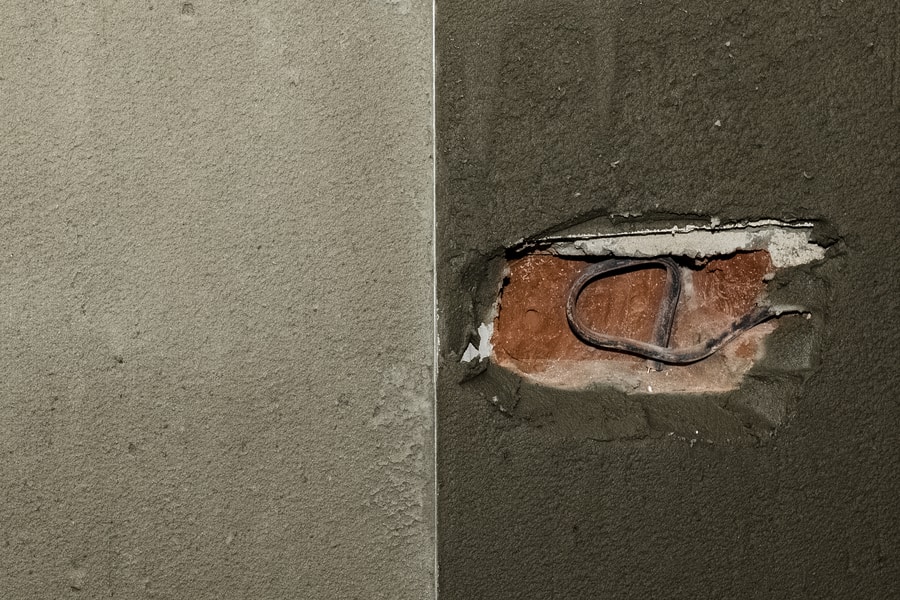
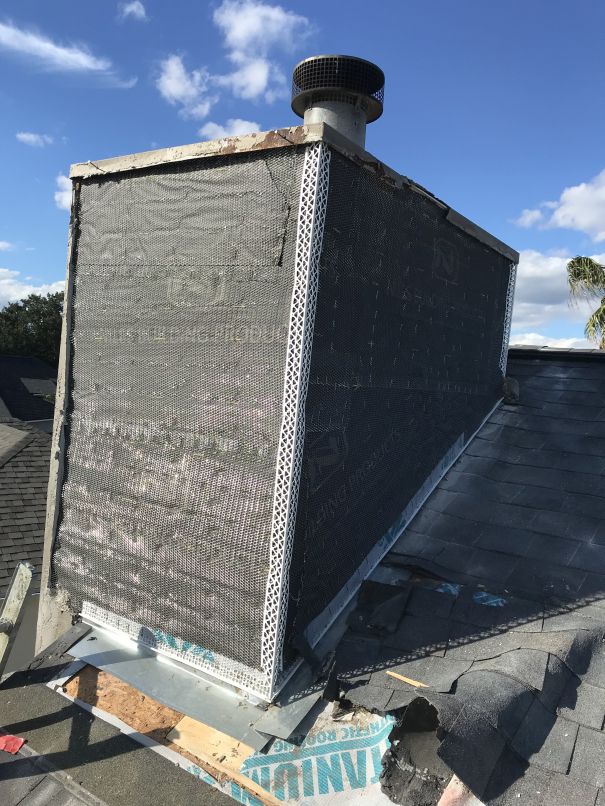
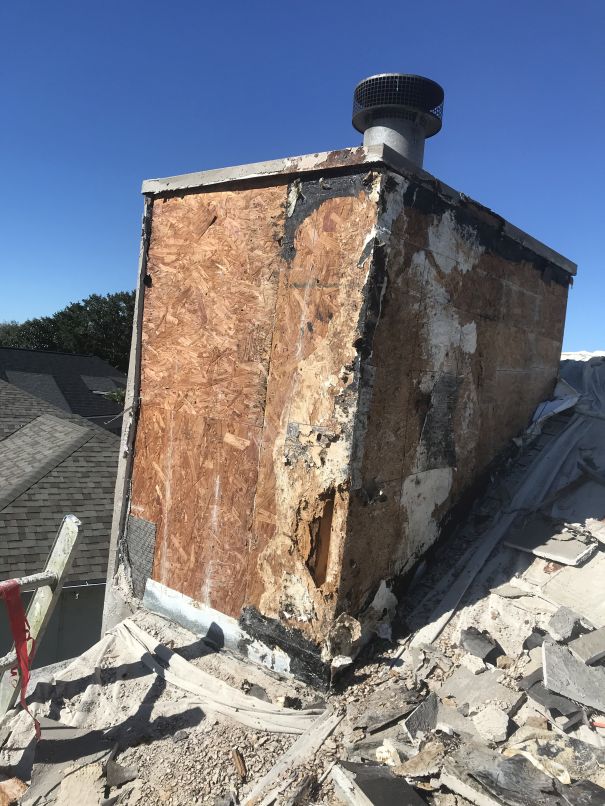
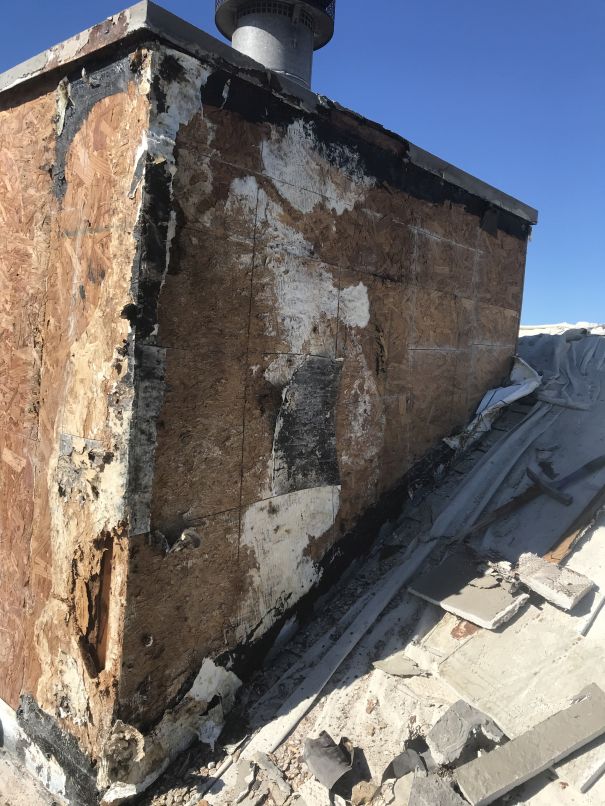
Stucco is a layered system — a base coat, sometimes a scratch coat, a finish coat, and ideally a moisture barrier behind all of it. When something goes wrong, the visible crack or stain is rarely the whole story. Water may have already worked its way into the wall cavity. The wood sheathing underneath may be compromised. In Orange County, where humidity averages around 74% and the region gets more than 50 inches of rain a year, that process moves faster than most homeowners expect.
We understand the full system. We’re not just filling gaps — we’re figuring out why the gap appeared and making sure the repair actually holds.
What Trained Stucco Workers Know That Generalists Don’t
There’s a specific body of knowledge that comes with working on stucco day in and day out — and it goes well beyond knowing how to mix and apply material.
Trained stucco workers understand how different substrates behave. We know how traditional three-coat hard stucco differs from EIFS (synthetic stucco), and we know those two systems require completely different repair approaches. Applying a traditional stucco patch to an EIFS wall — or vice versa — doesn’t just look wrong. It can create new failure points that accelerate the damage you were trying to stop.
We also understand curing. Proper stucco repair isn’t a one-day job. Traditional stucco needs time to cure between coats — often weeks — before the next layer goes on or paint gets applied. Rush that process and the repair fails. A handyman working on a tight schedule and a flat rate doesn’t have an incentive to tell you that.
Texture and color matching is another area where experience shows. One of the most common complaints homeowners have after a stucco repair is that the patch is visible — a slightly different texture, a slightly different shade. Getting a seamless result takes skill, the right materials, and in some cases coordination with cosmetic masonry specialists who focus specifically on this. It’s not a given with every contractor, and it’s almost never something a handyman is equipped to deliver.
In Orange County specifically, there’s another layer to this. A significant portion of the county’s housing stock was built during the 1980s and 1990s construction boom. Many of those homes have EIFS systems that were installed without proper drainage planes — a detail that wasn’t always required at the time. Thirty years later, those systems are showing their age. Soft spots, interior staining, and peeling paint that keeps coming back are often signs that moisture has been trapped behind the wall for years. A generalist who patches the surface isn’t solving that problem. They’re covering it.
Why Local Stucco Companies Understand Orange County’s Conditions Better
There’s a real difference between a contractor who works in Florida and a contractor who understands Florida — its climate, its building stock, and its specific failure patterns.
Orange County’s environment is genuinely demanding on exterior wall systems. The combination of intense summer heat, daily afternoon thunderstorms from May through September, and sustained humidity creates conditions that accelerate every weakness in a stucco system. Hairline cracks that would be purely cosmetic in a drier climate become moisture entry points here. Once water gets behind stucco in this environment, it doesn’t evaporate — it lingers, softens the substrate, and eventually reaches the wood framing underneath.
We’ve worked through multiple storm seasons in Orange County and understand the HOA dimension. Communities in places like Dr. Phillips, Windermere, Lake Nona, and Baldwin Park often have strict requirements around exterior repairs — licensed contractors only, texture and color matching to community standards, and sometimes documentation of the repair process. A handyman who can’t pull a permit isn’t going to be able to satisfy those requirements, and an unpermitted repair can create problems when you go to sell.
There’s also the question of building codes. In Florida, stucco work over 25 square feet requires a permit. Only licensed contractors can pull those permits. That’s not a technicality — it’s a practical reality that affects whether your repair is legal, whether your homeowner’s insurance will cover related damage, and whether a future buyer’s inspector will flag it.
We know what homes in Orange County deal with. That context shapes how we approach every inspection and every repair — not as a surface fix, but as a system problem that deserves a real answer.
What Florida Law Says About Who Can Do This Work
This is the part most homeowners don’t know, and it matters more than the price difference between a handyman and a licensed contractor.
In Florida, stucco is a specialty trade. The state’s Department of Business and Professional Regulation (DBPR) classifies it under the Plaster and Lath Specialty Contractor license — a separate credential from a general contractor license. A general contractor license does not automatically authorize stucco work. Neither does a handyman registration. If someone is patching your stucco without the right license, they’re working outside their legal scope — and if something goes wrong, the liability can fall on you.
What Happens When an Unlicensed Worker Gets Hurt on Your Property
This is the scenario most homeowners never think about until it’s too late.
If a contractor or handyman is injured while working on your property and they don’t carry workers’ compensation insurance, you can be held personally liable for their medical costs. It doesn’t matter that you hired them and paid them — if they’re uninsured and working without the proper license, the legal exposure can fall to the homeowner.
A licensed stucco contractor is required to carry both general liability insurance and workers’ compensation. That’s not optional — it’s part of maintaining the license. When you hire someone who’s fully licensed and insured, you’re not just getting better work. You’re protecting yourself from a scenario that has nothing to do with the quality of the stucco and everything to do with what happens if something goes sideways on the job.
Florida law also changed in 2021 to consolidate plastering and stucco licensing entirely at the state level. Local licenses are no longer valid for this type of work — the DBPR credential is the only one that counts. You can verify any contractor’s license directly at myfloridalicense.com before you sign anything. It takes about 30 seconds and tells you whether the person standing in your driveway is actually authorized to do the work they’re quoting you.
We’re fully licensed and insured in Florida. We pull permits when the job requires them. And we’re transparent about all of it upfront — because that’s how it should work, and because homeowners in Orange County, FL deserve to know exactly who they’re letting on their property.
When Stucco Problems Need More Than a Contractor — and Less Than a Panic
Not every stucco crack signals a structural emergency. But some of them do — and the difference isn’t always obvious from the outside.
Cracks that run diagonally from window or door corners, cracks that are wider than a hairline and growing, or soft spots in the stucco surface that flex when you press on them are signs that something more than surface wear is happening. In some cases, that means the underlying wood sheathing has been compromised by moisture. In others, it points to foundation movement or settlement — a different problem entirely, but one that shows up in the stucco first.
Our owner spent 20 years in foundation repair before founding CF Stucco and Painting. That experience changes how we look at damage. We’re trained to think about what’s happening structurally — not just what’s visible on the surface — and when a repair calls for engineer coordination, we have those relationships in place. Most stucco contractors don’t offer that. Most handymen have never thought about it.
For homeowners in Orange County with significant damage — especially in older homes with EIFS systems or homes that took wind-driven rain during a named storm — that structural perspective is the difference between a repair that lasts and one that fails again in two years. We handle the wood repair underneath the stucco when it’s needed, so you’re not calling a second contractor to finish what the first one couldn’t. And we work with cosmetic masonry specialists to match texture and color, so the repair doesn’t announce itself every time someone looks at your house.
The goal is a repair that holds, looks right, and doesn’t leave you wondering what’s still hiding in the wall.
How to Choose the Right Stucco Repair Contractor in Orange County, FL
The short version: verify the license, confirm the insurance, and make sure the contractor is actually diagnosing the problem — not just quoting a patch.
Florida’s climate doesn’t give stucco damage much time to stay small. What looks like a cosmetic issue in October can be a moisture problem by the following summer. In Orange County especially, where humidity, rainfall, and an aging housing stock all work against exterior wall systems, the cost of hiring the wrong person tends to show up fast.
If you’re dealing with stucco damage — whether it’s a crack you’ve been watching, a soft spot you just noticed, or damage from a recent storm — CF Stucco and Painting is worth a call. We offer upfront estimates after a real inspection, we communicate clearly throughout the job, and we don’t disappear once the deposit clears. Reach out and we’ll take a look.
FAQ 1: Q: Can a handyman legally do stucco repair in Florida? A: For very minor work under $500 with no permit required, a handyman may technically be within their legal scope. But stucco work over 25 square feet requires a permit in Florida, and only a licensed contractor can pull one. The state’s DBPR Plaster and Lath Specialty Contractor license is what authorizes stucco work — a general contractor license doesn’t cover it, and a handyman registration doesn’t either. In Orange County, FL, where HOA communities often require licensed contractors and documentation, this distinction comes up constantly.
FAQ 2: Q: How do I know if my stucco crack is serious? A: Hairline cracks from normal thermal movement are common and don’t always indicate a deeper problem. The ones worth paying attention to are diagonal cracks running from window or door corners, cracks that are widening over time, soft or spongy spots in the stucco surface, and any interior staining or moisture that seems to follow rain events. In Orange County’s climate — with 74% average humidity and 50-plus inches of rain a year — moisture gets behind stucco faster than most people expect. When in doubt, have it inspected before it becomes a bigger repair.
FAQ 3: Q: What should I ask stucco guys before hiring them? A: Ask for their Florida DBPR license number and verify it at myfloridalicense.com. Ask whether they carry general liability and workers’ compensation insurance, and request a certificate of insurance with current dates. Ask whether the job will require a permit — and if it does, confirm they’ll pull it. Ask how they plan to identify the underlying cause of the damage, not just patch the surface. And ask about texture and color matching — how they approach it and whether the result will be seamless. The answers tell you a lot about whether you’re talking to someone who actually knows this trade.
FAQ 4: Q: Do I need a permit for stucco repair in Orange County, FL? A: Yes, if the repair covers more than 25 square feet. The Orange County Building Division requires a permit for stucco work above that threshold, and only a licensed contractor can pull it. Unpermitted work can create complications when you sell the home and may affect how your homeowner’s insurance handles related claims. If a contractor tells you a permit isn’t necessary for a sizable repair, that’s worth questioning.
FAQ 5: Q: What makes a stucco repair company different from a general contractor? A: A general contractor manages a wide range of construction work — framing, roofing, plumbing coordination, and so on. Stucco is a specialty trade with its own licensing category in Florida, and it requires specific knowledge of materials, systems, and application techniques that most general contractors don’t have at a deep level. We work on these systems every day. We understand the difference between hard coat and EIFS, we know how moisture barriers and drainage planes function, and we’re equipped to match texture and color in a way that a generalist typically isn’t.